


Dr. Huynh Tran An Khuong, a medical specialist at the VNVC Vaccination System, stated this amidst a national rise in severe pneumococcal infection cases. Notably, on 6/5, Children's Hospital of Ho Chi Minh City reported an 11-year-old girl from An Giang province suffered severe pneumonia, sepsis, and heart damage due to pneumococcal infection, requiring ECMO intervention to support her heart and lungs. Nghe An Obstetrics and Pediatrics Hospital has also recorded nearly 30 children with pneumococcal pneumonia since early 2026. Among them, a 5-month-old worsened after her family self-medicated her for fever, cough, wheezing, and runny nose.
According to Dr. Khuong, pneumococcal pneumonia requires close monitoring, especially in young children. A global study on the burden of disease, injuries, and risk factors revealed that pneumococcus accounts for approximately 32% of the 10 leading causes of pneumonia deaths in children under 5 worldwide.
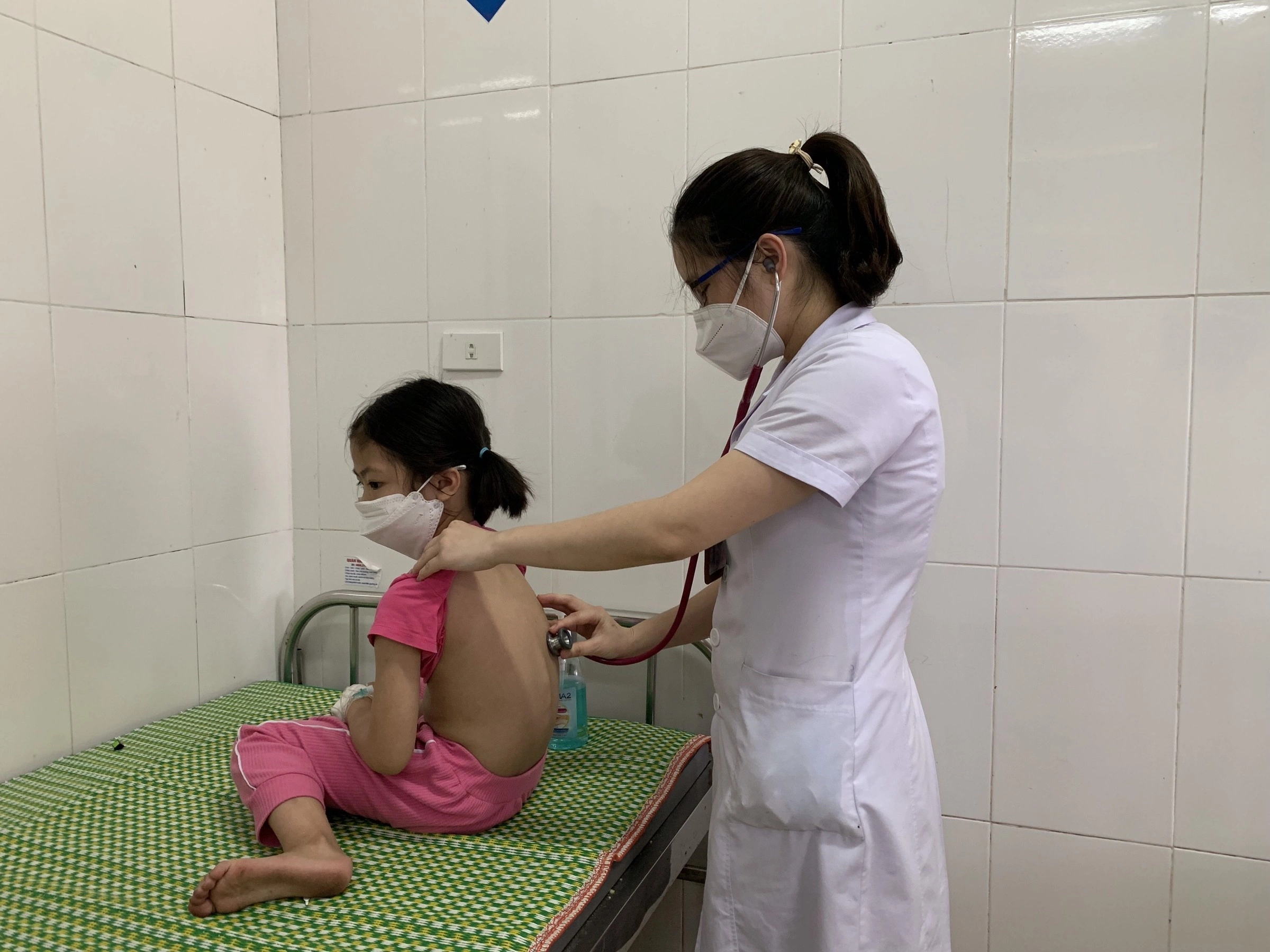 |
A pediatric patient with pneumococcal pneumonia receiving treatment at Nghe An Obstetrics and Pediatrics Hospital. Photo: Nghe An Obstetrics and Pediatrics Hospital |
The disease's initial symptoms are not specific. In its early stages, it can resemble a common respiratory infection with fever, cough, runny nose, sore throat, and fatigue, often leading parents to overlook its severity.
Common symptoms in children with pneumococcal pneumonia include fever, dry cough or thick phlegm, accompanied by chills and sore throat. As the disease progresses, children may experience rapid breathing, chest indrawing, cyanosis, lethargy, and refusal to breastfeed or eat.
If the bacteria enters the bloodstream, children can develop sepsis. Some cases may also involve heart damage, meningitis, or multi-organ failure. The disease can be exacerbated by co-infection with flu, RSV, adenovirus, or other respiratory agents.
The pathogen can spread through respiratory droplets from coughing, sneezing, or close conversation, or via contaminated hands and objects transferred to the eyes, nose, or mouth. Some children may carry the bacteria without showing symptoms. However, under favorable conditions such as reduced immunity, respiratory virus infection, malnutrition, crowded environments, air pollution, or frequent exposure to secondhand smoke, pneumococcal bacteria from the nose and throat can easily invade organs and cause disease.
Therefore, when a child exhibits cough and fever, Dr. Khuong advises families to seek medical attention immediately. Parents should not self-administer antibiotics or combine multiple medications without a doctor's prescription. Self-treatment can mask symptoms, lead to incorrect dosages or indications, or miss underlying conditions that require examination. This can delay treatment and make disease assessment difficult for doctors. Young children, those not fully vaccinated, premature babies, malnourished children, or those with underlying conditions or compromised immunity require closer monitoring when suffering from respiratory illness.
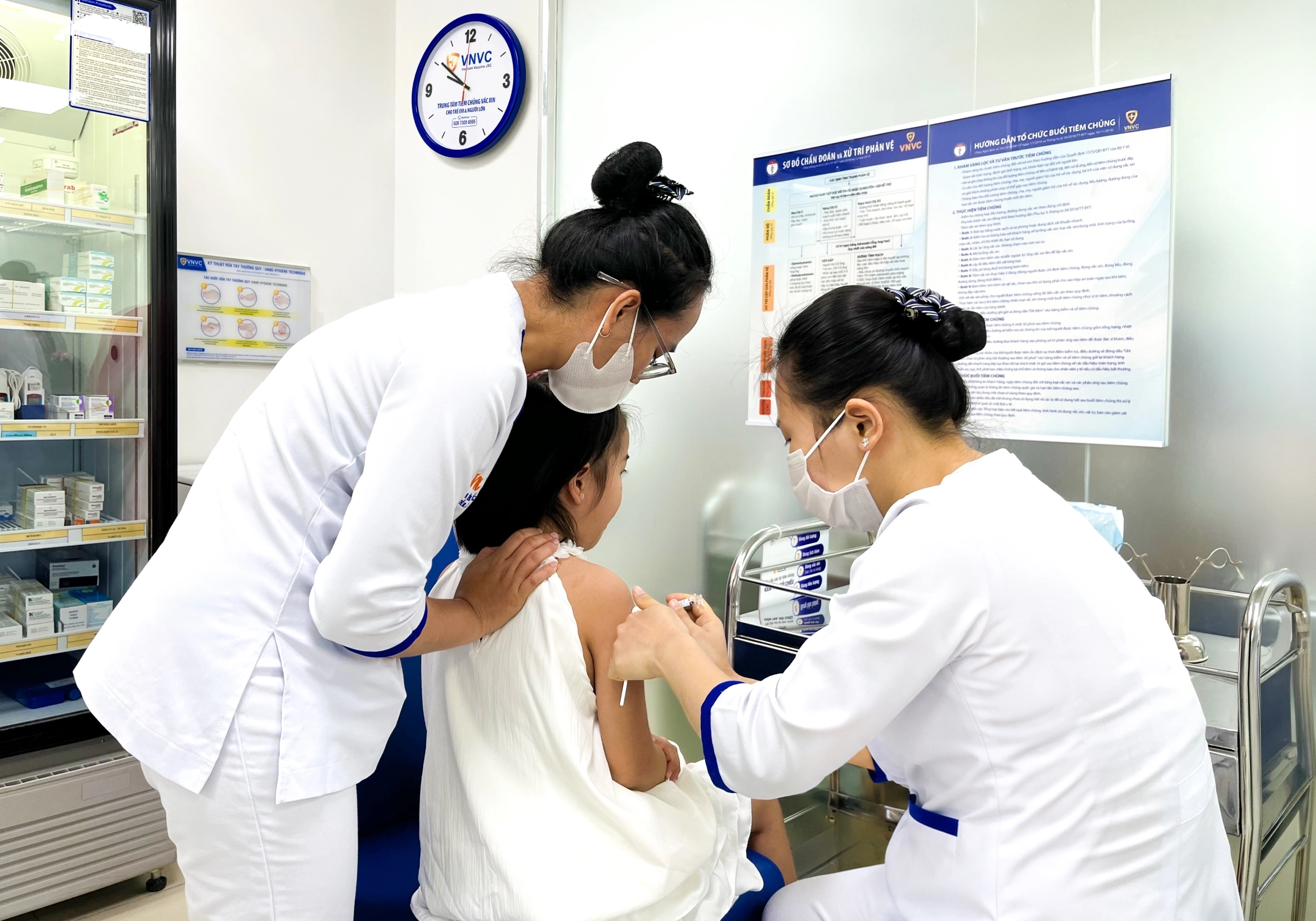 |
A girl being taken by her parents to the VNVC Vaccination System for a pneumococcal 20 vaccine to prevent disease. Photo: Dieu Thuan |
Environments with smoke, fine dust, enclosed spaces, and crowds also increase the risk of respiratory infections. To prevent the disease, doctors recommend families maintain personal hygiene, wash hands frequently, teach children to cover their mouths when coughing, wear masks in crowded places, practice nasal and throat hygiene, drink enough water, get sufficient sleep, and eat a balanced diet. Children should avoid exposure to secondhand smoke and be taken for examination if respiratory symptoms persist or worsen.
Currently, Vietnam offers many types of pneumococcal vaccines, such as: pneumococcal 10, 13, 15, 20, and 23, which help prevent groups of pneumococcal bacteria that cause otitis media, pneumonia, meningitis, and sepsis in children and adults. Pneumococcal 13, 15, and 20 vaccines are administered to children from 6 weeks of age to adults; the pneumococcal 23 vaccine is for children from 2 years of age to adults. A doctor will advise on the appropriate vaccine and schedule based on age, health status, and vaccination history.
The US Centers for Disease Control and Prevention (CDC) recommends routine pneumococcal vaccination for children under 5, following age-appropriate conjugate vaccine schedules.
Beyond pneumococcus, children are also at risk for other respiratory infections such as flu, RSV, measles, chickenpox, and meningococcus. Parents should ensure children receive full, on-schedule vaccinations and closely monitor for abnormal signs to avoid missing early treatment opportunities.
Dieu Minh


