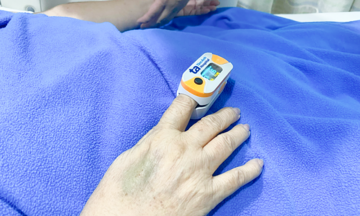
Heart disease is a leading cause of death globally, with symptoms often developing subtly over years. Recognizing skin changes can be crucial, as they sometimes indicate underlying heart conditions.
Swelling in feet and lower legs
Swelling in the feet, ankles, and lower legs is a common skin manifestation of heart disease. This condition arises when the heart struggles to pump blood effectively, leading to fluid accumulation in tissues. Individuals may notice their shoes feeling tight or deep indentations on their skin after wearing socks. If leg swelling is accompanied by fatigue or shortness of breath, medical consultation is advised.
Blue or purple skin
When areas of the skin, such as fingers or toes, turn blue or purple and do not revert to their normal color, it indicates insufficient oxygen supply in the blood, signaling a potential heart issue. This discoloration often points to blocked blood vessels or poor heart function. Such a serious sign requires immediate medical attention, as oxygen deprivation can quickly damage skin and tissues.
Yellow-orange nodules
Yellow or orange bumps or plaques appearing on the skin, particularly around the corners of the eyes, elbows, knees, or the tops of the feet, are fatty deposits caused by high levels of cholesterol or triglycerides in the blood. While these are typically painless, their presence suggests dangerously elevated cholesterol, increasing the risk of heart disease.
Lace-like purple or blue skin patterns
Purple or blue spots resembling a spiderweb or net on the skin often indicate cholesterol embolization syndrome. This condition develops when small arteries become blocked by cholesterol crystals, leading to poor blood flow. As this sign is neither a rash nor an infection, individuals should seek medical evaluation promptly.
Red or purple streaks under fingernails
Small red or purple streaks resembling splinters under the fingernails can result from damage to tiny blood vessels. These streaks may signal infective endocarditis, a serious heart infection. They typically last a few days; however, individuals should not ignore them if accompanied by other symptoms such as fever or fatigue.
Painful lumps on fingers or toes
Painful red or purple lumps on the fingers or toes, known as Osler's nodes, are indicative of a heart infection or another cardiovascular issue. These lumps may appear and disappear or persist for extended periods. Upon noticing such painful lumps, individuals should seek prompt medical attention.
Le Nguyen (According to Times of India)
| Readers can submit questions about cardiovascular disease here for a doctor to answer |