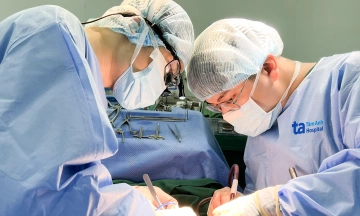
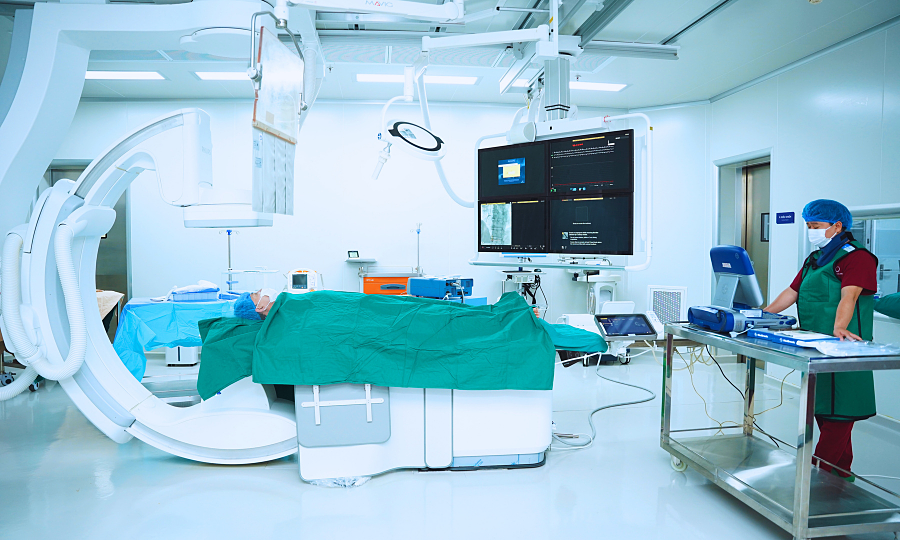
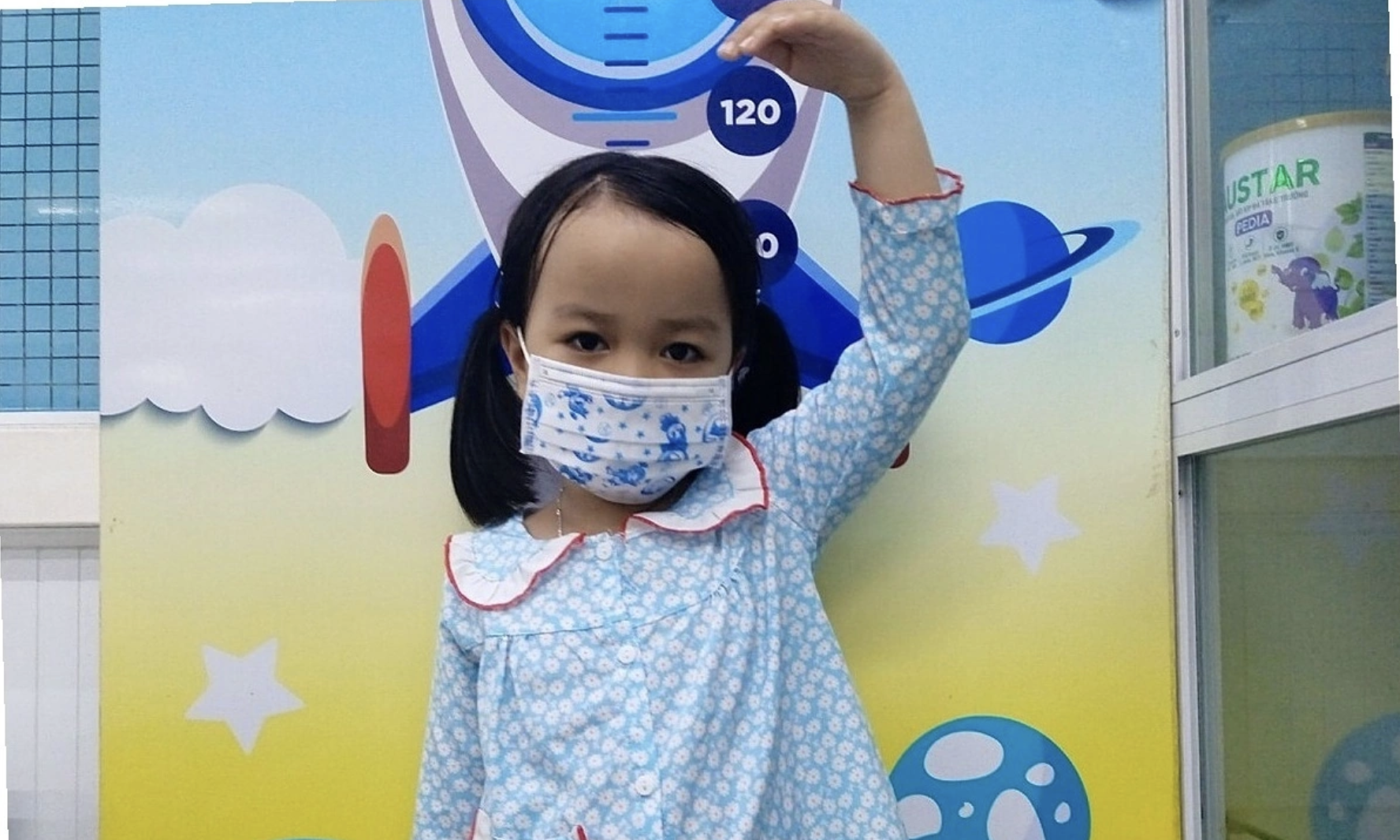
After initial first aid, the girl was transferred to Military Central Hospital 108, 5 hours after her arm was severed. The amputated limb was properly preserved in a cold environment. Surgeons immediately performed emergency reattachment surgery.
ThS.BS Nguyen Van Truong, from the Department of Upper Limb Trauma and Microsurgery, reported that during surgery, the team observed the girl's entire right arm had been avulsed and severed at the upper one-third mark. The amputated limb also sustained fractures to the humeral condyle and olecranon process. The blood vessels and nerves suffered avulsion-type injuries, making direct reattachment impossible.
After debriding the damaged tissue and fixing the humerus, condyle, and olecranon process back into anatomical position, surgeons used a segment of the saphenous vein from her lower leg to graft and restore the brachial artery and veins. Concurrently, a segment of the ulnar nerve was used as a graft to reconstruct the median and musculocutaneous nerves. After approximately 3 hours of surgery, the medical team successfully re-established circulation to the arm.
"Replanting a severed limb in a child is always a significant challenge, especially with avulsion injuries, which are particularly difficult due to extensive anatomical destruction", stated Doctor Truong. He added that because the patient was only 4 years old, the blood vessels and nerves were tiny, requiring highly precise microsurgical techniques. Furthermore, the limb's ischemic time had extended to about 6 hours, significantly increasing the risk of complications.
One of the greatest risks following circulation restoration is reperfusion syndrome. After prolonged ischemia, metabolites accumulating in the limb can re-enter the bloodstream, causing metabolic disorders, coagulopathy, multi-organ failure, and even threatening the patient's life. Therefore, throughout the surgery, various specialties collaborated closely to minimize ischemic time, rapidly restore blood flow, and actively monitor and manage systemic risks.
The patient is currently under continued observation and treatment in the Department of Pediatrics. Post-surgery, her right forearm and hand are warm and pink, and limb circulation is well-maintained, indicating adequate perfusion of the arm. Due to extensive soft tissue damage and the risk of post-reperfusion edema, surgeons intentionally left the incision in the arm loosely sutured to facilitate fluid drainage, reduce tissue pressure, and allow for easier monitoring of the limb's condition.
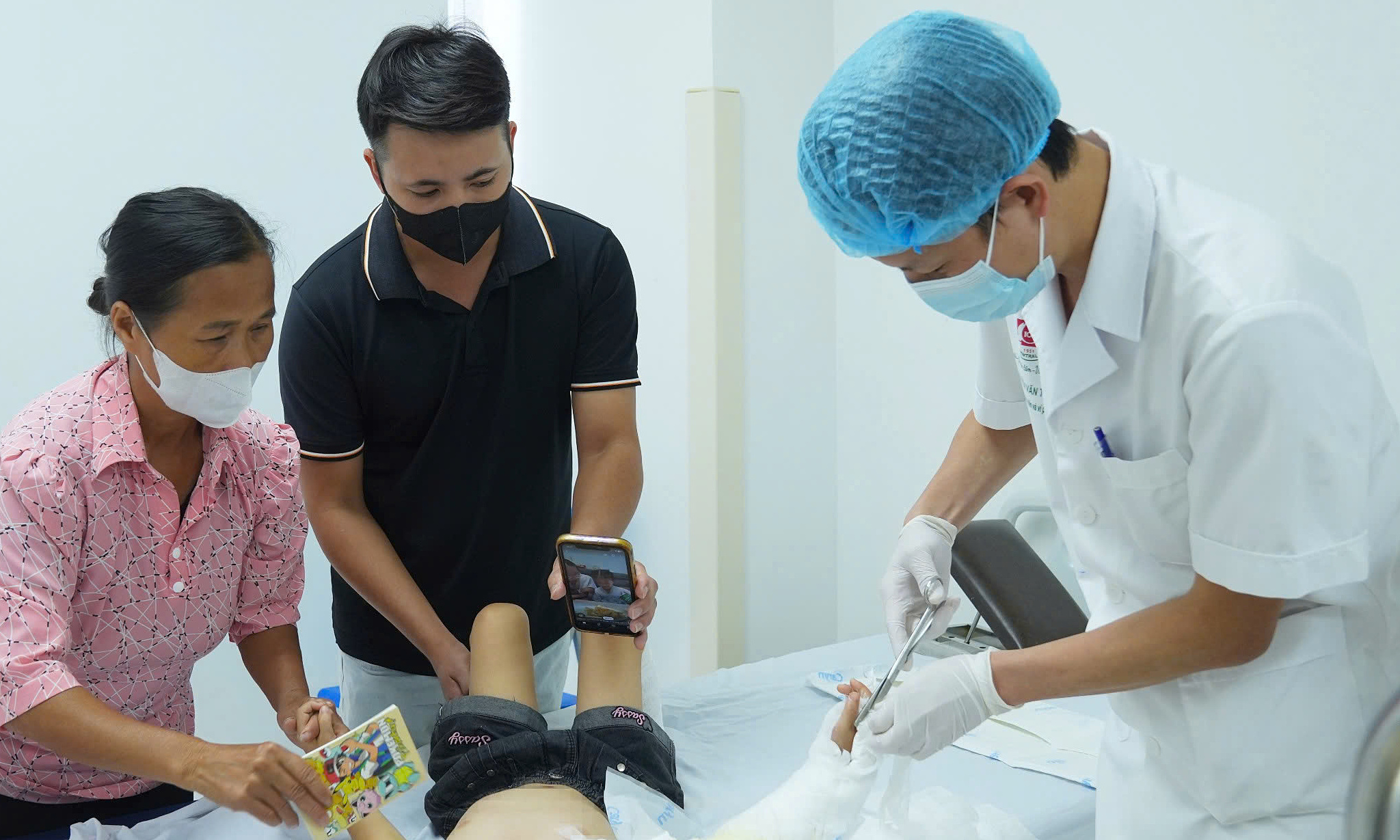 |
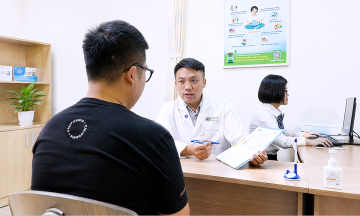
A doctor examines the patient's wound. *Photo: An Ngoc*
Doctor Truong advises parents to exercise caution when children ride on motorcycles. Loose-fitting clothing, such as sun-protective jackets, sun skirts, or overly baggy attire with long flaps, can easily get caught in the wheels, chains, or other moving parts of the vehicle. This can lead to severe accidents, including fractures, degloving injuries, or even limb severance.
Children riding on motorcycles should wear neat, well-fitting clothes, wear a helmet, and absolutely avoid sun-protective jackets with long flaps that could become entangled in the wheels.
Le Nga