Osteoporosis, a metabolic bone disorder, reduces bone strength (mass and quality), increasing fracture risk. The condition makes bones brittle, breaking easily from minor trauma. Osteoporosis can result in numb and tired limbs, aches, throbbing pain, joint degeneration, kidney failure, and an increased risk of cardiovascular diseases; it can even lead to muscle atrophy, paralysis, and lifelong disability.
Doctor of Philosophy, Doctor of Specialty Level One Ngo Tuan Anh, from the Department of Musculoskeletal Internal Medicine at Tam Anh General Hospital TP HCM, stated that osteoporosis is not fully curable. Treatment focuses on preventing fracture risk through three mechanisms: restoring bone structure and mineralization, increasing bone mass, and halting further bone loss.
 |
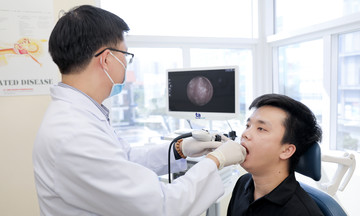
Doctor Tuan Anh explains bone loss to a patient. *Photo: Tam Anh General Hospital* |
Depending on the severity of osteoporosis and the patient's health condition, doctors may prescribe the following treatment methods:
Oral medications are a common osteoporosis treatment, slowing bone loss. They are easy to use and offer many choices. However, some cases may experience digestive irritation, and patients must follow timing for best results.
Biological injections treat severe osteoporosis, especially when fractures, high fracture risk, or very low bone density are present. They are also used for patients with cardiovascular disease, kidney failure, or intolerance to oral medications. This method works by inhibiting the bone-resorbing protein RANKL. When this protein is inhibited, osteoclasts are no longer activated, slowing bone breakdown and strengthening bones through natural regeneration. Patients only need an injection once every 6 months instead of taking weekly pills. When receiving injections, patients should do so at a hospital to monitor for reactions such as allergies or local injection site reactions.
According to Doctor Tuan Anh, anti-osteoporosis infusions with zoledronic acid are effective for osteoporosis, particularly severe cases with high fracture risk, previous osteoporotic fractures, or very low bone density. When the medication is infused directly into a vein, it is absorbed by the bones, inhibiting osteoclast activity, slowing bone breakdown, and reducing bone loss. Bone density improves, making bones stronger and more flexible, and reducing fracture risk, especially in high-risk areas like the spine, femoral neck, and wrist. Patients only need one infusion per year at a hospital to monitor for potential reactions such as fever, muscle aches, joint pain, or allergies.
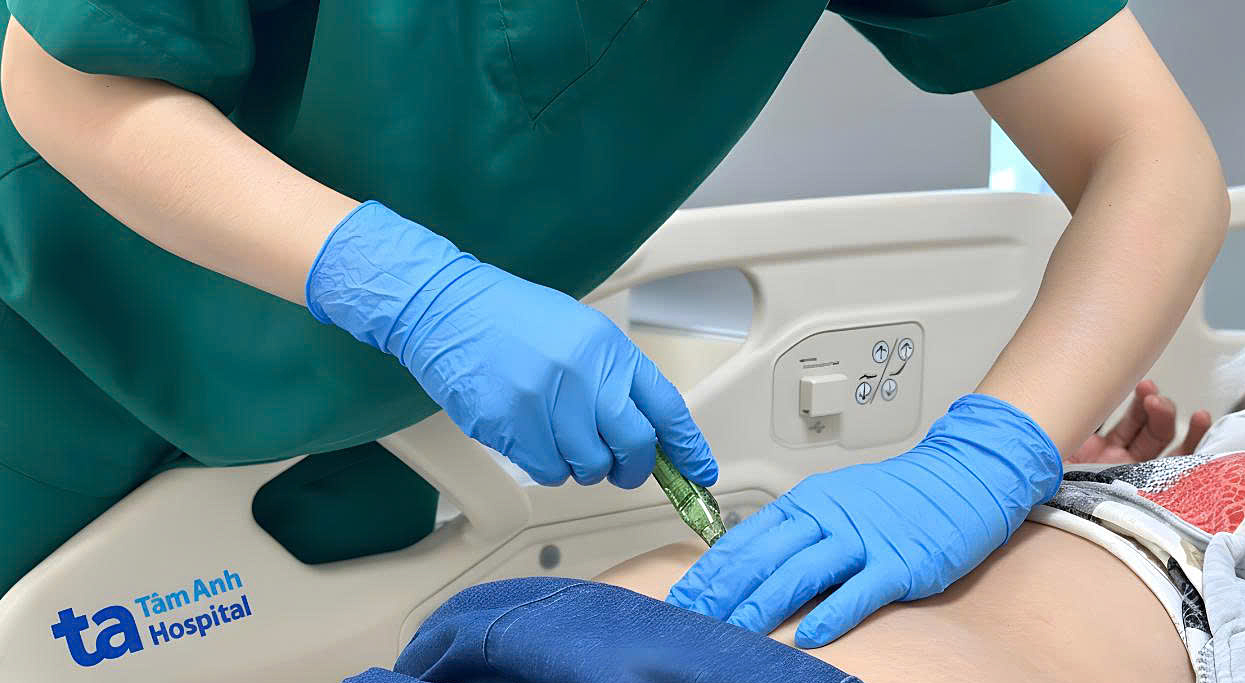 |
A patient receives osteoporosis treatment via injection. *Photo: Tam Anh General Hospital* |
Doctor Tuan Anh noted that each treatment method has contraindications and suits different patient groups. Therefore, patients should seek examination at hospitals specializing in musculoskeletal conditions to receive an accurate osteoporosis assessment and appropriate treatment.
In addition to taking prescribed medication, patients should combine treatment with a healthy lifestyle. For example, daily meals need adequate nutrition, increasing foods rich in calcium and vitamin D for bone regeneration and strength. Moderate, regular exercise improves bone health and muscle flexibility. Regular check-ups or immediate consultation for unusual symptoms are crucial for timely treatment and complication prevention.
Phi Hong
| Readers can send questions about musculoskeletal diseases here for doctors to answer. |