Nutrition expert Ha Tu Van from Taiwan recently warned on her personal page about three common mistakes people make when consuming soy milk. She emphasized: Do not treat soy milk as plain water, always choose the unsweetened variety, and do not expect to use soy milk for calcium supplementation.
Treating soy milk as plain water
Unsweetened soy milk is an excellent source of plant-based protein. According to daily dietary guidelines, the "beans, fish, eggs, meat" group is a top priority for protein intake. A 400 ml bottle of unsweetened soy milk provides two servings of protein, containing natural isoflavones and lecithin, making it ideal for those aiming for muscle gain and fat loss, or for vegetarians.
However, a major mistake is drinking soy milk instead of water. Similar to fresh milk, soy milk is rich in protein, and excessive consumption can place a heavy burden on the kidneys.
The expert recommends consuming only about 400 ml daily. Remaining protein sources should be diversified from seafood, fish, eggs, and meat. Attempting to drink up to 2,000 ml of soy milk daily can cause bloating and be counterproductive to the body.
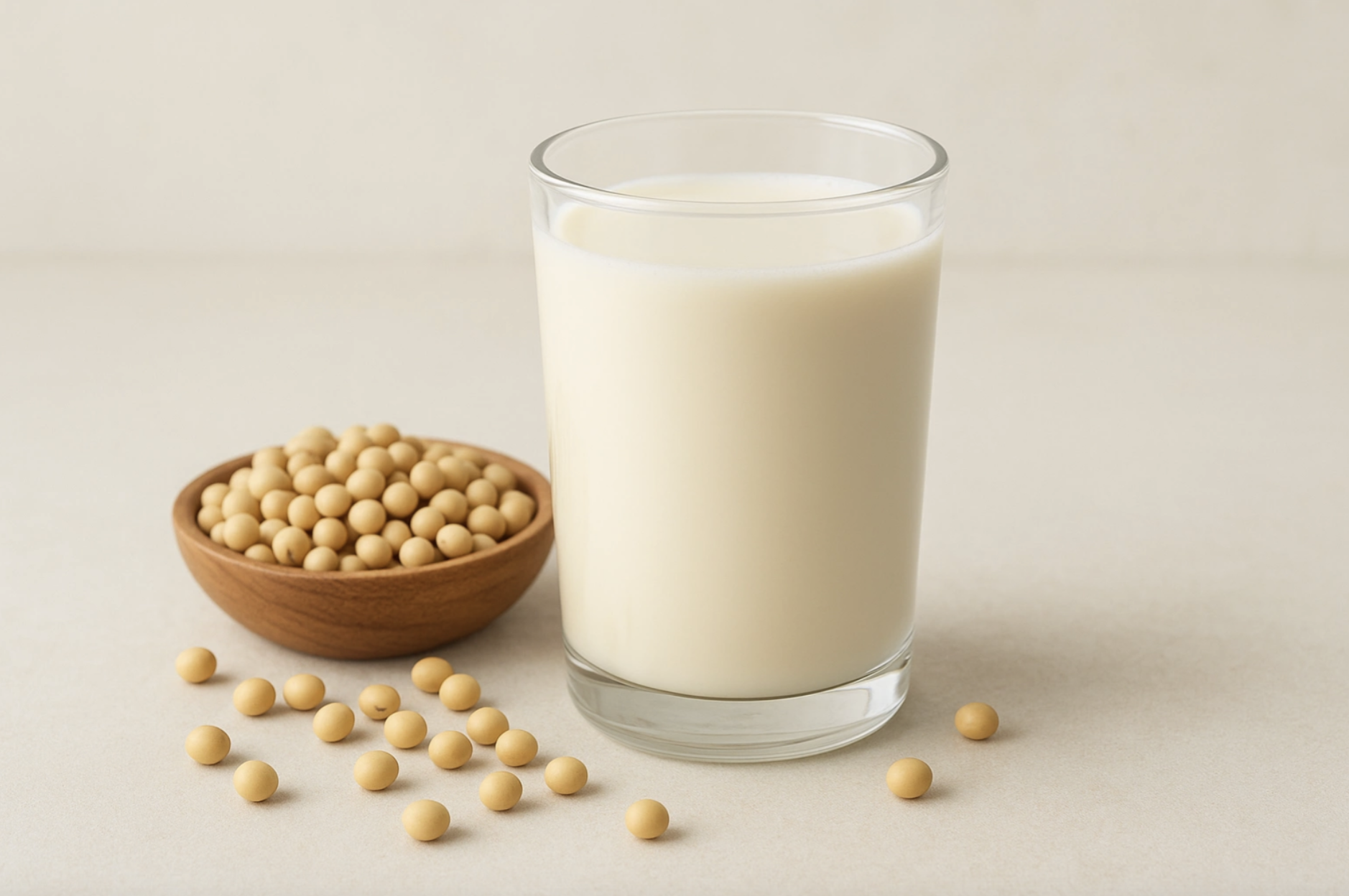 |
Soybeans contain many nutrients beneficial for overall health, but they must be consumed correctly. Image created by AI
The habit of preferring sweetness
Expert Ha Tu Van explained that a 400 ml bottle of sweetened soy milk contains approximately four to five sugar cubes, adding 80 to 100 calories compared to the unsweetened version. Regularly consuming sweetened soy milk will undoubtedly lead to rapid weight gain.
Therefore, the original unsweetened option remains the healthiest choice.
Using soy milk to replace fresh milk for calcium supplementation
Many mistakenly believe that soy milk has a high calcium content. In reality, 100 ml of soy milk contains only about 14 mg of calcium. This amount is significantly lower than that found in cow's milk.
If your goal is to supplement calcium for strong bones, the expert advises prioritizing dairy products such as: fresh milk, unsweetened yogurt, and cheese. Additionally, other food sources like dark green vegetables, dried tofu, and black sesame are much more effective calcium supplements than relying solely on soy milk.
Only by consuming soy milk correctly and in appropriate amounts can you maximize the health benefits this beverage offers.
My Y (According to SETN)