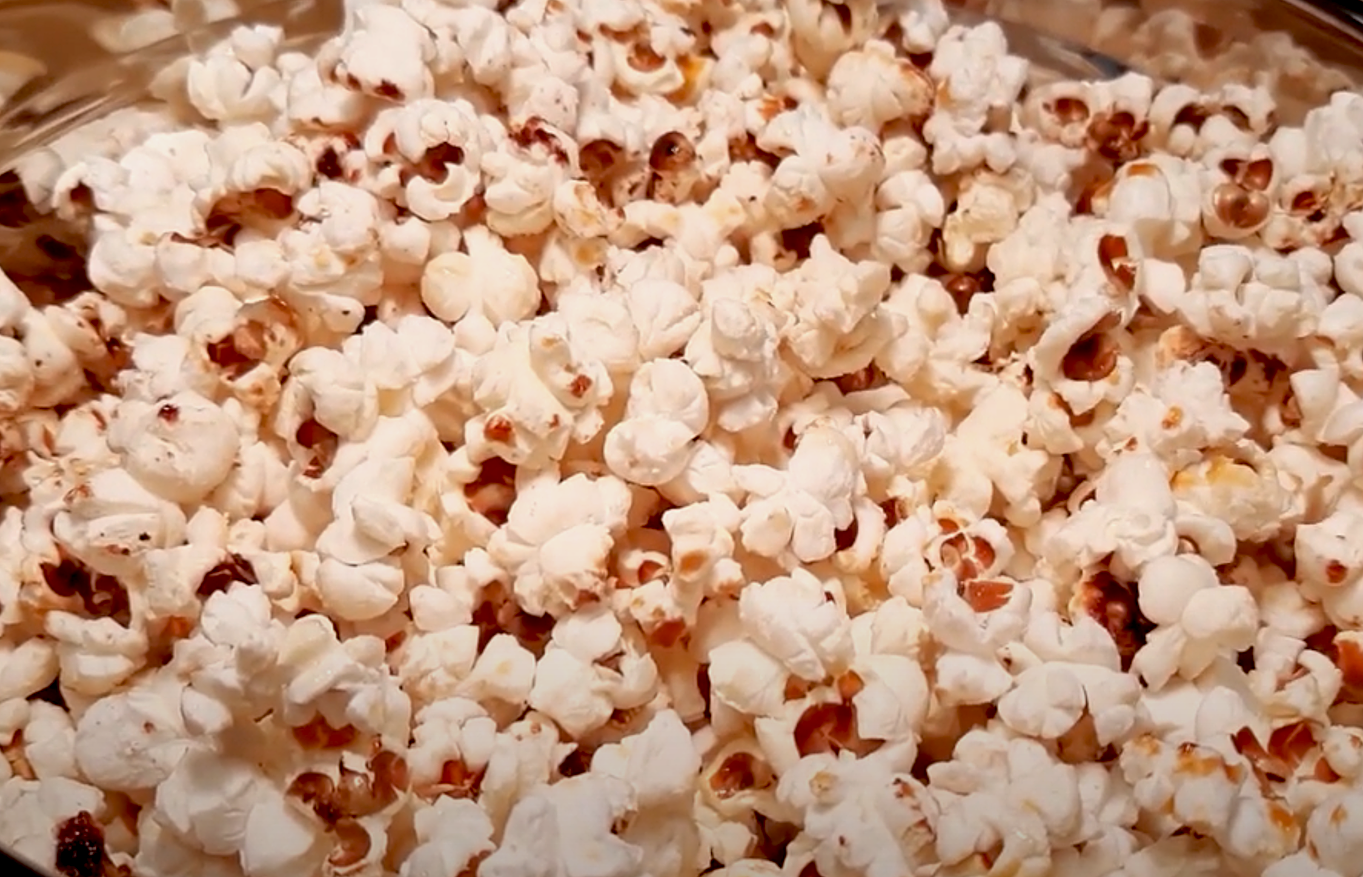
Holiday periods often bring families together, featuring meals rich in meat, seafood, salty dishes, and alcoholic beverages, alongside changes in daily routines. According to Dr. Cao Vinh Duy, Master of Science, from the Department of Urology, Center for Urology - Nephrology - Andrology, Tam Anh General Hospital, TP HCM, for healthy individuals, a few protein-rich meals will not impair kidney function. However, those with underlying health conditions, especially kidney disease, hypertension, or a history of kidney stones, must pay closer attention to their diet and lifestyle to minimize the risk of complications. The doctor highlights several habits to be mindful of during the holiday season.
Limit salty foods and excessive meat
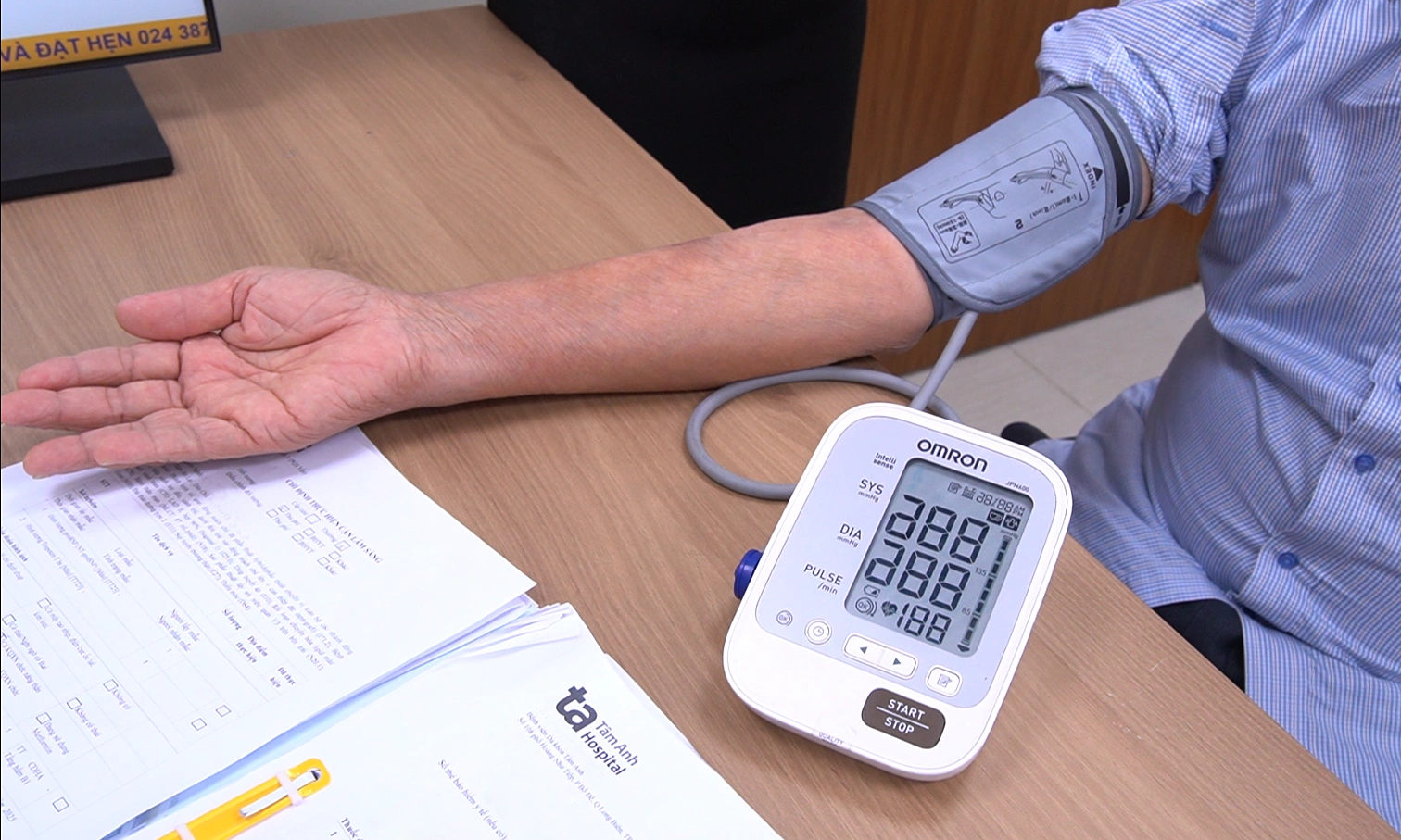
Processed foods, cured meats, pickled items, and dipping sauces often contain high levels of sodium. Consuming too much salt can cause the kidneys to retain water, making blood pressure control difficult. Prolonged hypertension is a factor that damages the kidneys. Patients with chronic kidney disease need to restrict salt intake even more, as their ability to regulate water and electrolytes is already compromised, leading to a higher risk of edema, increased blood pressure, or fluid overload.
Dishes high in red meat, organ meats, and seafood can increase the amount of waste products from protein metabolism. Patients with chronic kidney disease should adjust their protein intake according to their disease stage, as advised by a doctor. For individuals with a history of kidney stones, excessive consumption of animal protein can also heighten the risk of forming certain types of stones, including uric acid stones.
 |
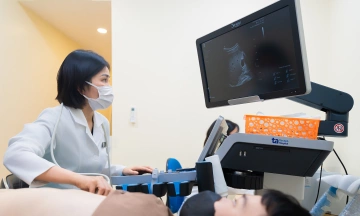
Dr. Duy examines and advises a patient. Photo: Tam Anh General Hospital
Stay adequately hydrated
During holidays, many people consume alcohol, coffee, and soft drinks but drink less plain water. Alcohol acts as a diuretic because ethanol inhibits vasopressin, an antidiuretic hormone secreted by the pituitary gland, which helps the kidneys reabsorb water. When this hormone level drops, the kidneys continuously increase urine excretion, causing the body to lose water much faster than the actual fluid intake. Prolonged dehydration leads to reduced and more concentrated urine, creating conditions for stone-forming substances to crystallize in the urinary tract.
Drinking enough water is an important measure to prevent kidney stones, but individual water needs depend on the weather, activity level, amount of sweat lost, and health status. Healthy individuals, especially when traveling or engaging in significant physical activity, should proactively drink water throughout the day. Those with a history of kidney stones also need to maintain adequate hydration to prevent concentrated urine.
Patients with chronic kidney disease, heart failure, or fluid retention should not attempt to drink excessive amounts of water on their own. When the body's ability to excrete water is impaired, over-drinking can lead to edema, increased blood pressure, and fluid overload. The appropriate water intake should be determined by a doctor for each specific case.
Avoid holding urine
When traveling long distances, many people develop a habit of limiting water intake and holding urine to avoid inconvenience. This practice increases the risk of damage to the urinary tract.
Everyone should proactively drink enough water and use the restroom when needed. Individuals with urinary tract conditions should pay even closer attention to any unusual changes during urination, such as painful urination, frequent urination, pain during urination, or blood in the urine.
Do not self-"detoxify" kidneys
After several days of irregular eating, some individuals tend to fast, drink "detox" water, or try to drink excessive amounts of water with the hope of "detoxifying" their kidneys. Dr. Duy explains that healthy kidneys naturally filter blood and remove waste products from the body. After the holidays, instead of adopting extreme diets, return to a balanced eating regimen, reduce high-salt foods, limit alcohol, maintain appropriate hydration, and continue regular physical activity.
Patients with kidney disease should not independently adopt restrictive diets or drink large amounts of water without a doctor's guidance. The restriction or supplementation of protein, potassium, phosphorus, salt, and water may all need adjustment depending on the degree of kidney function impairment.
Dr. Duy recommends applying some simple principles during the holidays: eat moderately, limit overly salty dishes, do not overindulge in red meat and organ meats, restrict alcohol, drink water appropriate for the body's needs, do not hold urine, and maintain physical activity. Patients with underlying conditions must adhere to their prescribed diet or fluid limits as directed by their doctor.
Patients should seek medical attention if they experience severe pain in the flank region, pain radiating to the lower abdomen or groin, painful urination, frequent urination, blood in the urine, fever accompanied by back pain, unusually low urine output, or swelling in the legs or face. In particular, patients should note that colicky flank pain accompanied by hematuria could be a sign of urinary tract stones. Swelling, low urine output, or prolonged fatigue may also be related to kidney disease.
Dinh Lam
| Readers can send questions about urinary tract diseases here for doctors to answer |