Consuming energy drinks excessively, particularly over prolonged periods, can elevate blood pressure, increase heart rate, and potentially lead to cardiovascular events in some individuals, especially those with a history of hypertension or heart disease.
The primary ingredients in energy drinks are caffeine, sugar, and other stimulants such as: taurine, guarana, or ginseng. Caffeine inhibits adenosine, which normally helps relax blood vessels. This inhibition causes blood vessels to constrict and stimulates the sympathetic nervous system to release hormones like adrenaline, leading to a faster heart rate and increased blood pressure. This effect typically manifests within about one hour after consumption and is more pronounced in individuals with hypertension or heart disease.
A single can of energy drink typically contains 80-160 mg of caffeine, with some varieties reaching 300-350 mg per can, depending on the product. Consuming multiple cans daily or combining them with coffee and strong tea can lead to a total caffeine intake exceeding the recommended daily limit of about 400 mg for healthy adults.
Beyond caffeine, taurine, guarana, and certain other stimulating herbal ingredients can further amplify effects on the cardiovascular system. This combination can result in a rapid heart rate, anxiety, palpitations, and an increased risk of heart arrhythmia.
Regular energy drink consumption also contributes to weight gain, obesity, diabetes, and metabolic disorders, which in turn elevates the risk of high blood pressure.
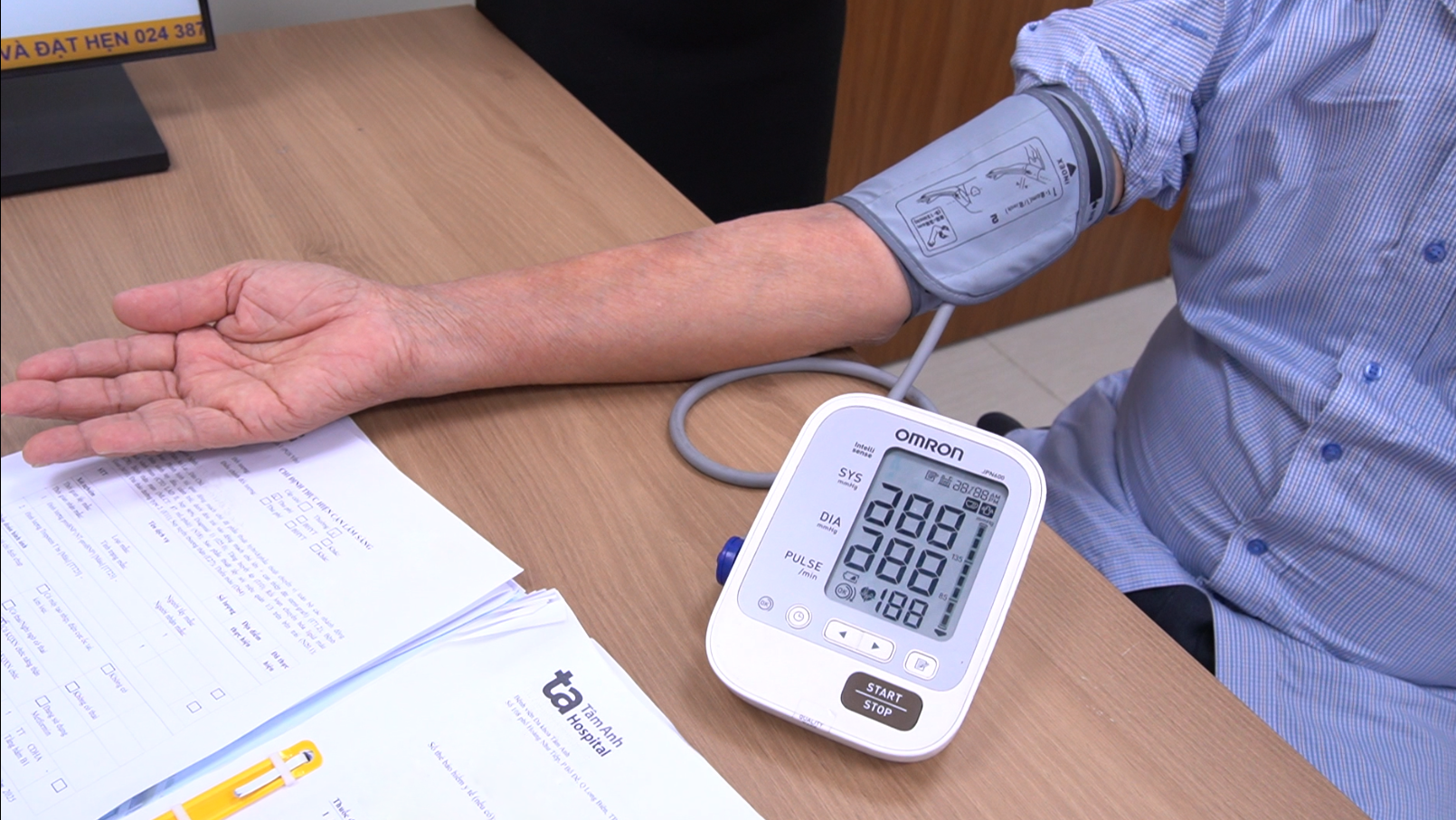 |
A patient undergoes a hypertension check-up. Illustration: Tam Anh General Hospital |
Some individuals may experience symptoms such as: anxiety, palpitations, restlessness, hand tremors, insomnia, or headaches after consuming energy drinks. This risk is higher if the drinks are consumed when the body is fatigued, sleep-deprived, or combined with alcohol. Using energy drinks before or during intense physical activity can also increase the strain on the cardiovascular system.
Energy drinks should not be used as a solution for fatigue. Healthy adults should not consume more than one can of energy drink per day and should avoid making it a regular habit. If you frequently feel drowsy or lack alertness, it is essential to identify the underlying cause, such as: sleep deprivation, prolonged stress, overwork, or certain underlying medical conditions, rather than relying on high-caffeine beverages.
Individuals with existing hypertension, heart arrhythmia, coronary artery disease, heart failure, or those undergoing treatment for cardiovascular conditions should avoid or severely limit energy drink consumption. To control blood pressure, maintain a low-salt diet rich in green vegetables, exercise regularly, get adequate sleep, limit alcohol, and refrain from smoking.
If you consistently experience anxiety, a rapid heart rate, chest pain, dizziness, or prolonged high blood pressure after consuming energy drinks, stop using them and seek medical evaluation. A doctor will assess your cardiovascular health, measure blood pressure at various times, and identify other risk factors to determine an appropriate treatment plan.
Nutritionist Nguyen Thi Thu Huyen
Department of Nutrition
Tam Anh General Hospital Hanoi
| Readers can submit cardiovascular health questions here for expert answers. |