The Tet holiday diet, characterized by excess protein and insufficient fiber, coupled with festive habits and alcohol consumption, inadvertently stresses the urinary system. Without timely adjustments, these holiday meals could trigger pain from kidney stones or acute bladder inflammation.
Dr. Pham Thanh Truc, a Master of Science and Level II Specialist from the Urology - Nephrology - Andrology Center at Tam Anh General Hospital in TP HCM, highlights common dietary pitfalls and strategies to protect the urinary system during the Tet holiday.
Excessive salt intake
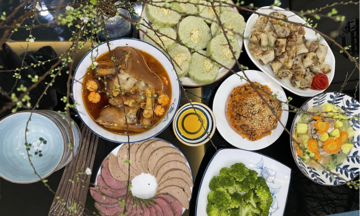
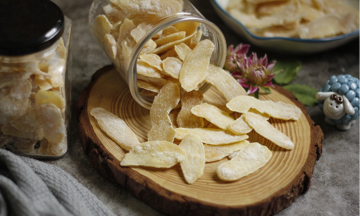
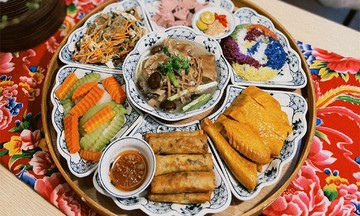
Dishes like braised pork with eggs, braised fish, salt-baked chicken, pickled onions, pickled small leeks, Vietnamese ham, and seasoned nuts (such as cashews, sunflower seeds, and chestnuts) are typically high in salt. Excessive salt consumption leads to water retention, elevated blood pressure, and forces the kidneys to constantly work to eliminate surplus sodium. This sustained stress increases the risk of edema and kidney stone development.
Dr. Truc advises prioritizing boiled or steamed dishes over braised or stewed options, and reducing salt and fat content. He also recommends limiting additional dipping sauces like fish sauce or salt and pepper once a dish is already prepared.
 |
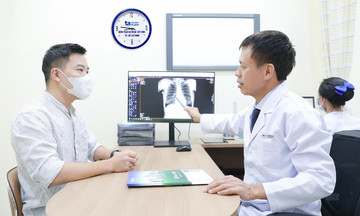
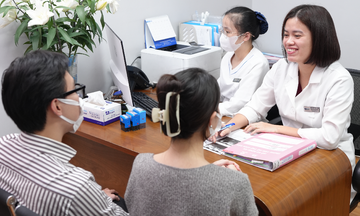
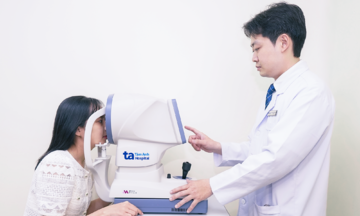
Dr. Truc offers advice on a healthy Tet diet to prevent urinary tract diseases. *Illustration: Tam Anh General Hospital* |
Excess protein, insufficient fiber
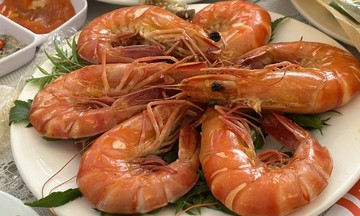
Meat and fish dishes are central to Tet holiday meals. However, excessive protein intake from sources like beef, chicken, pork, seafood, or animal organs contributes to kidney stone formation. Dr. Truc explains that protein metabolism generates significant uric acid and calcium in the urine, which are primary components of urate and calcium oxalate stones. Additionally, a high-protein diet diminishes citrate levels in the urine, a substance crucial for preventing stone formation.
Individuals should balance their meals by incorporating more fiber from green vegetables. An adult's daily meat consumption should ideally be limited to approximately 150-200 g.
Spicy foods
Many Tet dishes incorporate pepper, chili, or mustard to enhance flavor. However, these spices can irritate the bladder lining, causing frequent urges and painful urination. For individuals with a history of urinary tract infections, spicy foods can exacerbate their symptoms. It is advisable to reduce spicy seasonings during cooking, particularly for those prone to an irritable bladder or kidney stones.
Excessive alcohol and sugary drinks
Alcohol acts as a diuretic, leading to rapid dehydration. This concentrates urine, facilitating the precipitation of mineral salt crystals into stones. Carbonated soft drinks, rich in sugar and oxalates, also increase the filtration burden on the kidneys.
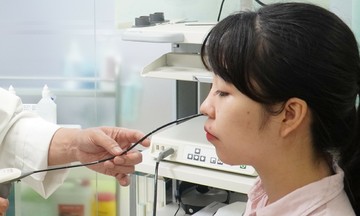
To safeguard the urinary system during Tet, Dr. Truc recommends the "one alcoholic drink, one glass of water" rule for consistent and timely rehydration. Prioritize plain water, low-sugar fruit juice, or herbal tea. Should symptoms like lower abdominal pain, painful urination, frequent urination, or unusual urine color occur, seek medical attention at the nearest facility rather than attempting self-treatment.
Bao Anh