Eng English
China 中国人

Eng English
China 中国人
  • News
  • World
  • Business
  • Entertainment
  • Sports
  • Law
  • Education
  • Health
  • Lifestyle
  • Travel
  • Science
  • Digital
  • Automobiles
  • Trở lại Thể thao
  • Health
Sunday, 15/2/2026 | 10:02 GMT+7

Seven health benefits of eating shrimp you might not know

Shrimp is a low-mercury seafood, providing high-quality protein and many important micronutrients, and can be safely consumed in about two meals (240 g) per week.

Shrimp is a widely consumed and nutrient-rich seafood. A serving of approximately 85 g of shrimp offers a substantial nutritional profile, including:

Calories: 84,2

Protein: 20,4 g

Iron: 0,433 mg

Phosphorus: 201 mg

Potassium: 220 mg

Zinc: 1,39 mg

Magnesium: 33,2 mg

Sodium: 94,4 mg

Beyond these, shrimp provides significant amounts of iodine, a crucial mineral often deficient in many diets, essential for thyroid function and brain health. It is also a good source of omega-3 fatty acids. Additionally, the selenium in shrimp helps create antioxidant enzymes, protecting cells from damage, while vitamin B12 is vital for nerve function and red blood cell production.

**May reduce risk of early death**

Consuming shrimp may contribute to a reduced risk of premature mortality. Approximately 10 medium-sized shrimp, whether steamed or boiled, provide almost 9 g of protein. Protein is a fundamental building block for every cell in the body, playing a key role in tissue construction and repair. Substituting some animal protein sources, particularly red and processed meats, with seafood like shrimp can help lower the risk of death from various causes.

**Provides antioxidants**

Shrimp is a source of astaxanthin, a powerful carotenoid antioxidant. When consumed, astaxanthin helps protect cells from inflammation by neutralizing free radicals, which are molecules that can cause cellular damage. This action supports the prevention of chronic diseases such as heart disease and cancer. Furthermore, the anti-inflammatory properties of astaxanthin may help prevent brain cell damage, which can lead to memory loss and neurodegenerative conditions like Alzheimer's disease.

**Low mercury content**

High levels of mercury in food can damage the nervous system, making the choice of low-mercury options important. Shrimp is categorized as a seafood with low mercury levels. Experts recommend consuming about two shrimp meals per week, totaling 240 g, to safely gain its health benefits.

**May reduce risk of cardiovascular disease**

While seafood, particularly crustaceans, can be high in cholesterol—with shrimp containing 59,8 mg per 28 g cooked serving, according to the US Department of Agriculture (USDA), compared to 41,4 mg in lobster and 29,8 mg in crab—it is notably low in saturated fat, a factor that increases heart disease risk. Moreover, seafood like shrimp is rich in essential vitamins and minerals such as protein and calcium, and especially omega-3 fatty acids. These fatty acids are beneficial for heart, brain, and overall health, particularly for individuals with high blood lipid levels.

**Supports fetal development**

Consuming appropriate amounts of seafood during pregnancy, around 120 g per week, supports healthy fetal brain development. Shrimp provides iodine, which is crucial for neurological development. Approximately 85 g of cooked shrimp supplies 13 mcg of iodine, accounting for 9% of the daily recommended intake.

**Boosts immunity**

Shrimp contains zinc and vitamin E, two vital nutrients that enhance immune function, aid in wound healing, and protect cells from oxidative damage.

**Important considerations**

Seafood is one of the nine most common food allergens, alongside fish, peanuts, eggs, tree nuts, wheat, sesame, cow's milk, and soy. The primary allergen in shrimp is tropomyosin, a protein found in many types of seafood. Other proteins in shrimp, such as arginine kinase and hemocyanin, can also trigger allergic reactions. Symptoms of a shrimp allergy can include throat tingling or burning, digestive upset, difficulty breathing, and skin reactions. Severe cases can lead to anaphylaxis, a dangerous and sudden reaction that carries risks of seizures, loss of consciousness, and even death if not promptly treated. Individuals with a shrimp allergy must completely avoid consuming shrimp.

Bao Bao (According to WebMD, Healthline)
By VnExpress: https://vnexpress.net/7-loi-ich-suc-khoe-khi-an-tom-co-the-ban-chua-biet-5040798.html
Tags: seafood nutritious food health benefits shrimp

News in the same category

Is a prolonged cough tuberculosis or lung cancer?

Is a prolonged cough tuberculosis or lung cancer?

I work in an office, have little exposure to dust or smoke, and don't smoke, but I've had a prolonged cough for a month, loss of appetite, fatigue, and occasional chest pain. Am I at risk of lung tuberculosis or lung cancer? (Trong Vu, TP HCM)

5 eating mistakes during Tet that harm your stomach

5 eating mistakes during Tet that harm your stomach

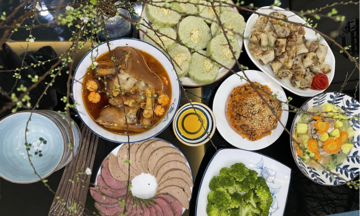
Irregular eating habits and consuming dishes high in starch, fat, and alcohol during Tet put pressure on the digestive system, increasing the risk of stomach disorders.

How to prevent allergic rhinitis flare-ups during weather changes?

How to prevent allergic rhinitis flare-ups during weather changes?

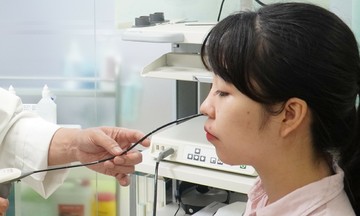
I suffer from allergic rhinitis and work in Ho Chi Minh City. This year, I will celebrate Tet in Hanoi. What precautions should I take to prevent a recurrence? (Minh Huu, 40, Ho Chi Minh City)

Can cancer patients eat ginger jam?

Can cancer patients eat ginger jam?

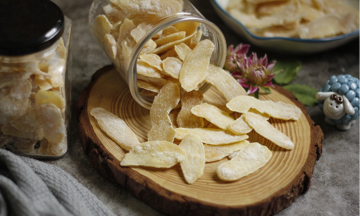
I enjoy ginger jam during Tet. Can cancer patients undergoing chemotherapy, like me, consume this dish? (Quy Hien, 34 years old)

Common Tet holiday habits that may reduce fertility

Common Tet holiday habits that may reduce fertility

Staying up late, limited physical activity, excessive consumption of sweets, and alcohol can impair egg and sperm quality, affecting fertility in both men and women.

Tet holiday diet: 'excess protein, insufficient fiber' harms the urinary system

Tet holiday diet: 'excess protein, insufficient fiber' harms the urinary system

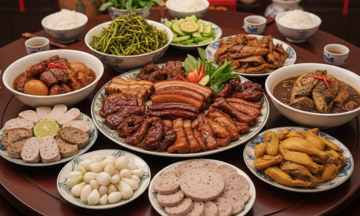
Consuming excessive meat, fish, and alcohol while lacking vegetables during the Tet holiday can overload the urinary system, raising the risk of stone formation and infections.

Ministry of health warns of 'nerve-damaging' toxin in fermented, canned foods

Ministry of health warns of 'nerve-damaging' toxin in fermented, canned foods

Following a severe suspected poisoning case linked to fermented fish in Da Nang, the food safety authority advises people to prioritize freshly cooked meals and avoid self-packaging food for long-term storage at room temperature.

Doctors return to hospital for emergency liver transplant, saving critically ill patient while on Tet holiday travel

Doctors return to hospital for emergency liver transplant, saving critically ill patient while on Tet holiday travel

Many doctors and nurses from Military Hospital 108, already home or en route for Tet celebrations, turned back to Hanoi to save a critically ill patient requiring an immediate liver transplant.

Four Tet holiday habits that can cause dry eyes

Four Tet holiday habits that can cause dry eyes

Excessive phone and television use, insufficient sleep, inadequate hydration, and frequent eye rubbing are common habits during the Tet holiday that can lead to dry eyes.

Four principles to prevent food poisoning in children during Tet

Four principles to prevent food poisoning in children during Tet

Cooking thoroughly, proper food storage, and teaching children to wash hands before eating help prevent food poisoning during Tet.

Eng English
China 中国人
  • News
  • World
  • Business
  • Entertainment
  • Sports
  • Law
  • Education
  • Health
  • Lifestyle
  • Travel
  • Science
  • Digital
  • Automobiles
FPT Tower, 10 Pham Van Bach Street, Dich Vong Ward,
Cau Giay District, Hanoi, Vietnam
Email: contacts@vnportal.net
Tel: 028 7300 9999 - Ext 8556
Advertise with us: 090 293 9644
Register
© Copyright 2026 vnnow.net. All rights reserved.
Terms of use Privacy policy Cookies