Leg pain or discomfort is often an early symptom of high cholesterol, commonly linked to peripheral artery disease. This pain arises because muscles demand more oxygen during activity, but narrowed arteries cannot supply enough. Typically, the pain subsides with rest.
Muscle weakness in the legs can be a direct result of arterial narrowing caused by cholesterol. This weakness becomes evident during walking, when trying to maintain balance, or even when standing for extended periods. Muscles require a constant supply of oxygen and nutrients transported through the blood. When this supply is insufficient, muscle function declines. Over time, prolonged poor blood circulation can lead to muscle atrophy, increasing the risk of falls and limiting mobility.
High cholesterol can cause atherosclerosis, a condition that narrows blood vessels in the lower limbs. This narrowing restricts blood flow, leading to one leg or foot feeling colder than the other. In advanced stages, the skin may appear pale or bluish due to oxygen deprivation.
Poor blood circulation from atherosclerosis can also cause numbness or tingling in the legs, particularly during physical activity such as walking. This occurs because nerves do not receive sufficient oxygen-rich blood, disrupting nerve transmission and creating a pins-and-needles sensation. If this lack of blood flow is prolonged and left untreated, it can lead to tissue damage, and in severe cases, even necrosis.
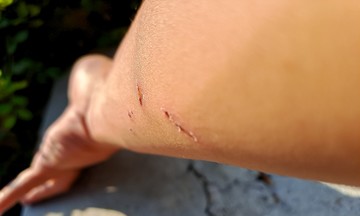
High cholesterol also contributes to slower healing of minor wounds, cuts, or blisters on the legs through the mechanism of atherosclerosis. When arteries are narrowed, reduced blood flow means tissues do not receive the necessary oxygen and nutrients required for recovery.
In severe cases, especially for individuals with diabetes or peripheral vascular disease, wounds can develop into non-healing ulcers, increasing the risk of infection, necrosis, and even limb amputation. Therefore, regular foot examinations and early diagnosis are crucial for preventing serious complications.
Simple measures to control cholesterol include:
Regular screening: Cholesterol tests help detect and promptly treat lipid metabolism disorders.
Healthy diet: Increase intake of fruits, vegetables, whole grains, and lean protein, while limiting saturated and trans fats.
Regular exercise: Activities like walking help maintain a healthy weight and improve cardiovascular health.
No smoking: Tobacco smoke damages arterial walls and promotes atherosclerosis.
Le Nguyen (According to Economic Times)
| Readers can submit questions about cardiovascular health here for doctors to answer. |