Bronchial asthma is a chronic respiratory inflammatory disease. When exposed to triggers, the airway lining becomes inflamed, swollen, and produces excess mucus, narrowing the bronchi and causing persistent coughing, wheezing, chest tightness, and shortness of breath.
Master, Doctor Nguyen Thac Dung, from the Respiratory Unit at Tam Anh Cau Giay General Clinic, notes that changes in weather, environment, and daily routine during summer travel can trigger airway constriction, increasing the risk of acute asthma attacks. Therefore, patients need to prepare thoroughly before their trip.
Revisit your doctor before departure
Patients should have a follow-up appointment about two to 4 weeks before their trip, especially if planning extended travel or visiting areas with different climates. The doctor will assess their asthma control level, check respiratory function, and adjust the treatment regimen if necessary.
Patients should also discuss a management plan with their doctor for when symptoms appear during travel, to know how to respond appropriately if an asthma attack recurs.
Carry all necessary medication
Patients' luggage should contain all maintenance and rescue medications. Doctor Dung explains that maintenance medications often contain inhaled corticosteroids, which help control airway inflammation. Fast-acting rescue medications work to dilate the bronchi when acute symptoms appear.
Patients should bring extra medication beyond the estimated duration of their trip in case of schedule changes. Rescue medications should be carried personally, not placed in checked luggage or stored in hard-to-reach places. If an asthma attack occurs on a plane, train, or during outdoor activities, timely use of medication can help control symptoms and prevent severe progression.
 |
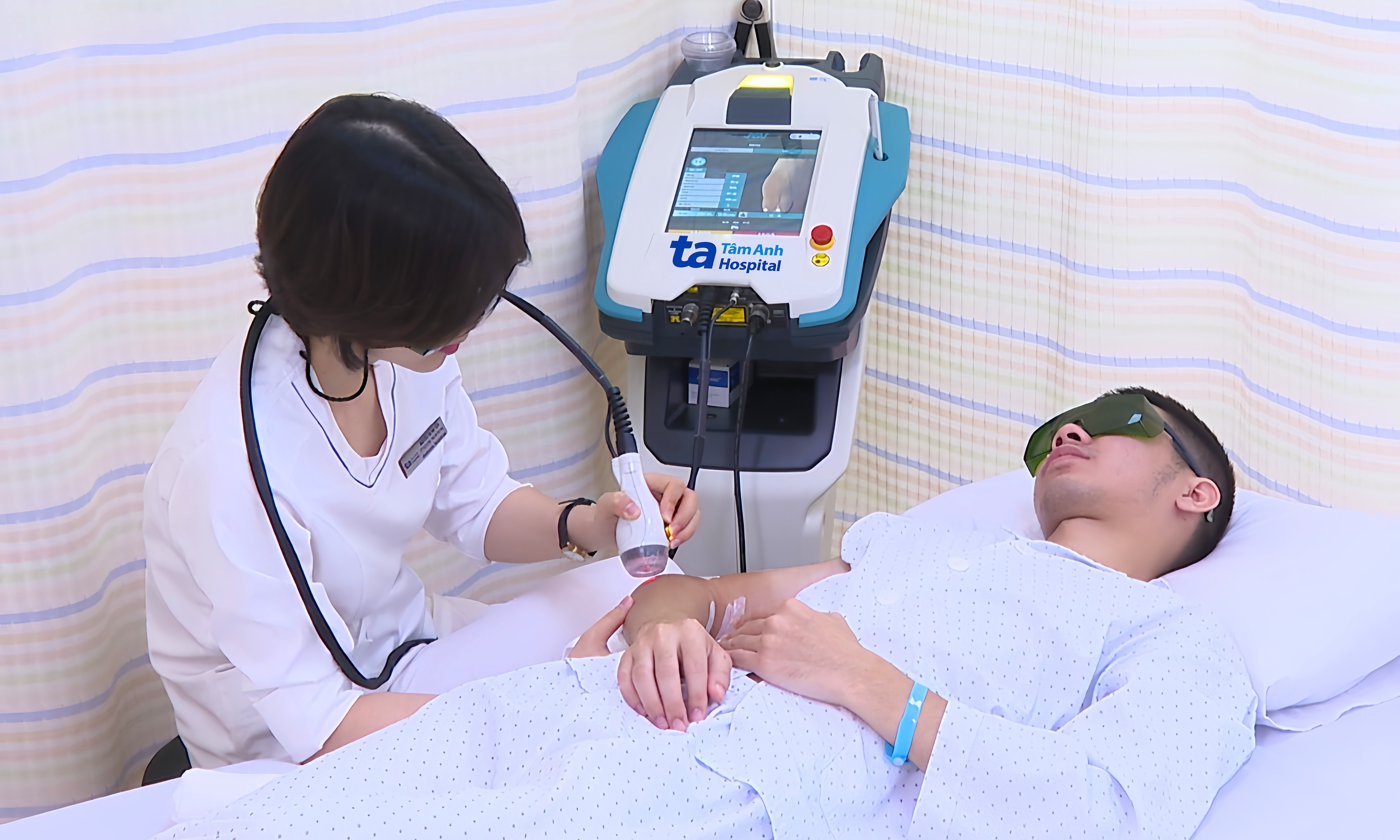
A respiratory specialist advises a patient. Illustration: Tam Anh Cau Giay General Clinic |
Avoid common asthma triggers
Sudden temperature differences between the outdoor environment and air-conditioned rooms can trigger asthma attacks. Patients moving from hot outdoors into cold rooms or vehicles need to allow a few minutes for their bodies to adapt. Air conditioning temperature should be maintained at a moderate level, around 26-28 degrees Celsius.
When traveling to mountainous regions, forests, or ecological areas with many plants, patients need to limit exposure to pollen, weeds, and animal dander. Wear a face mask during outdoor activities, avoid walking or strenuous exercise during times of high airborne pollen. Wash hands and change clothes after exposure to dusty environments or plants. Avoid tobacco smoke, charcoal smoke, campfire smoke, vehicle exhaust, strong perfumes, and pungent chemicals.
Choose suitable accommodation
High humidity in summer creates conditions for mold and dust mites to thrive. Patients should prioritize clean, well-ventilated accommodation, avoiding rooms with tobacco smell, mold, many carpets, or infrequently cleaned bedding.
If there is a history of dust mite or mold allergies, patients should inform the accommodation in advance to request a suitable room arrangement.
Avoid excessive physical exertion
Hiking, cycling, kayaking, trekking, or running on the beach are appealing experiences during summer travel, but they can trigger asthma attacks in some individuals. High-intensity exercise increases the rapid breathing rate, leading to a large volume of air entering the lungs without adequate warming or humidification, thereby irritating the respiratory tract and causing bronchial constriction.
Individuals with a history of exercise-induced asthma should be cautious when engaging in prolonged physical activity or in hot weather. Patients should choose activities suitable for their physical condition, avoiding attempts to keep up with a group or exceeding their body's limits. Additionally, warm up thoroughly before exercising, gradually increasing exercise intensity instead of starting with strenuous activity. Patients should rest if signs such as coughing, wheezing, chest tightness, or shortness of breath appear.
Be cautious with food and drink
Individuals with a history of food allergies should be cautious when trying new dishes, especially unfamiliar seafood. Food allergies can cause hives and respiratory tract swelling, triggering acute asthma attacks. Certain sulfite-containing preservatives in dried fruits, processed foods, or some fermented beverages can also cause symptoms in sensitive asthma patients. Prioritize fresh, hygienic food and drink 1,5-2 liters of water daily throughout the trip.
Doctor Dung advises that when symptoms such as a gradually worsening cough, wheezing, chest tightness, or feeling breathless appear, patients need to remain calm and immediately stop the activity they are performing. Patients should sit in a comfortable position, with a straight back or leaning slightly forward, then use rescue medication as instructed by their doctor.
If symptoms do not improve after using medication or if signs such as severe shortness of breath, bluish lips, inability to speak in full sentences, or chest retractions appear, patients need to go to the nearest medical facility immediately.
Trinh Mai
| Readers can submit questions about respiratory diseases here for a doctor's response |