A diet high in fat and low in fiber is a primary cause of high blood fat, increasing the risk of cardiovascular diseases.
Blood fat, or blood lipids, are fats found in the bloodstream, mainly comprising cholesterol and triglycerides. High blood fat, also known as dyslipidemia, occurs when the levels of circulating cholesterol or triglycerides exceed normal ranges.
Triglycerides and cholesterol are closely linked. Elevated triglyceride levels lead to an increase in "bad" cholesterol and a decrease in "good" cholesterol.
Initially, high blood fat often presents no clear symptoms. However, uncontrolled levels allow fats to accumulate on artery walls over time, leading to atherosclerosis and blocked blood vessels. This can result in severe cardiovascular issues such as angina, heart attacks, strokes, or cerebral hemorrhage.
Weight loss is a highly effective method to lower blood fat. Since excessive fat in the bloodstream causes high blood fat, reducing high-energy foods is crucial.
Smoking and alcohol consumption elevate blood fat levels, negatively impacting metabolism. Quitting both can significantly reduce blood fat.
Additionally, selecting specific foods can help reduce blood fat:
Quinoa
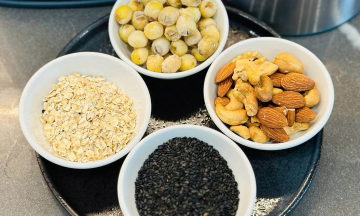
Quinoa is a cholesterol-free food, rich in plant-based polyunsaturated fatty acids and high in omega-3. This grain aids in nerve and brain cell development while effectively reducing bad cholesterol and triglycerides.
Quinoa is rich in fiber, with 100 g containing 7 g. The Hong Kong Centre for Food Safety recommends a daily intake of 25 g of fiber. Fiber promotes satiety, which helps reduce overall food intake.
Tofu
Tofu contains protein, linoleic acid, oligosaccharides, soybean isoflavones, soybean saponins, calcium, and various vitamins. It helps boost immunity, prevent high blood pressure, and reduce cholesterol.
Soybean saponin, a key nutrient in tofu, prevents glucose from combining with fats in the intestines, inhibiting fat absorption and accumulation. This lowers bad cholesterol in the blood and helps prevent atherosclerosis.
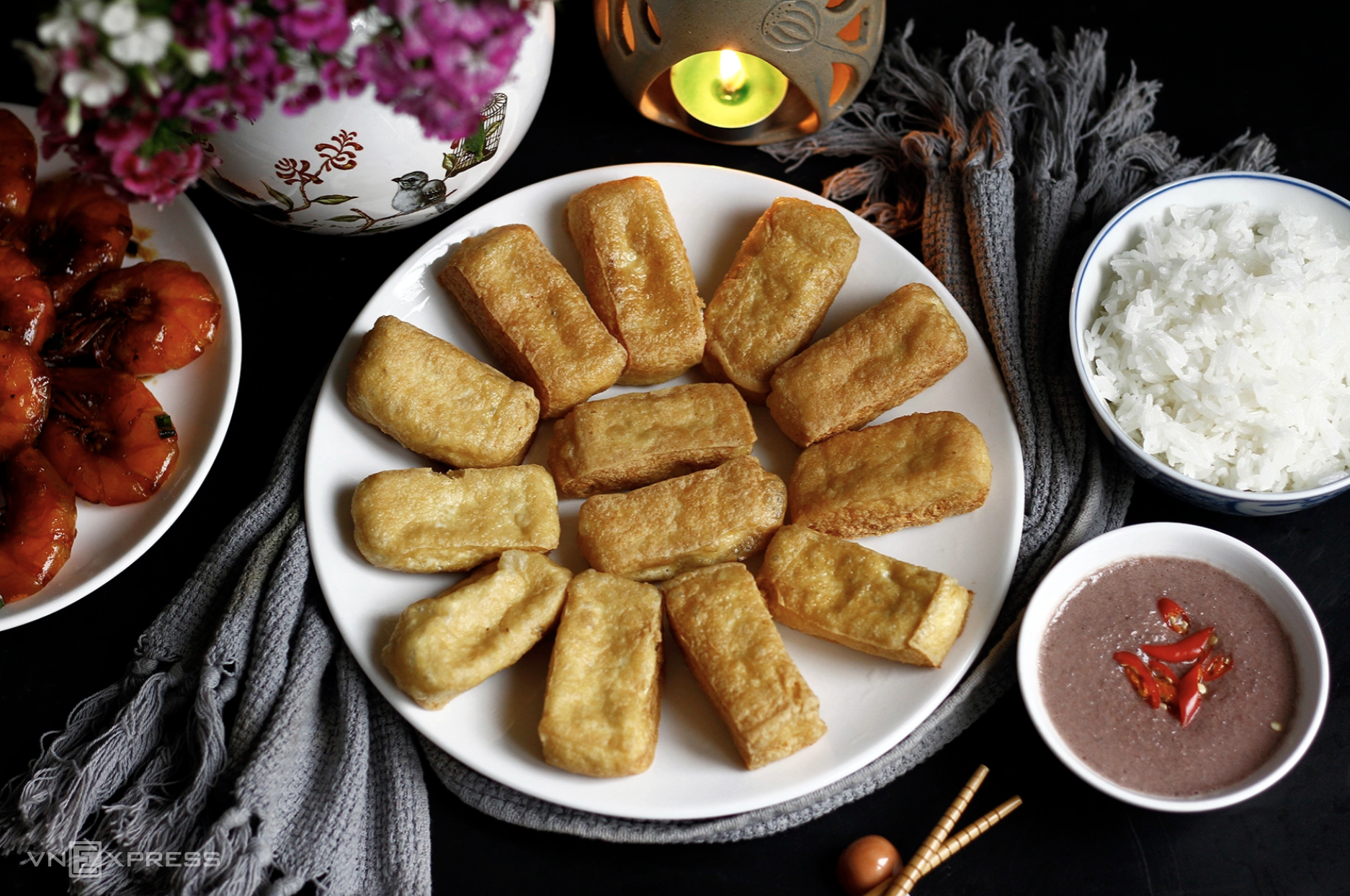 |
Tofu helps boost immunity, prevent high blood pressure, and reduce cholesterol. *Photo: Bui Thuy* |
Plant-based milk
Plant-based milk contains no cholesterol. Its phytosterol (plant sterol) content can block cholesterol absorption in the digestive system, preventing it from entering the bloodstream and expelling excess. This helps reduce overall body cholesterol.
Studies suggest that supplementing with 2 g of phytosterol daily for two to three weeks can reduce bad cholesterol by 7-10%. However, avoid excessive phytosterol intake as it may hinder the absorption of fat-soluble vitamins like carotene and vitamin E.
Mackerel
Mackerel is rich in omega-3 fatty acids, beneficial for the heart, cardiovascular system, and brain. This nutrient helps the body eliminate cholesterol, reduce bad cholesterol (LDL), increase good cholesterol (HDL), lower blood triglyceride levels, and minimize cardiovascular disease risk.
Turmeric
Turmeric is a pungent spice containing carotene antioxidants that protect the liver. Its active compound, curcumin, can reduce the risk of fatty liver disease, inhibit bad cholesterol formation, support fat metabolism, and restore liver health.
Animal studies indicate that supplementing the diet with 1-5% turmeric powder for 30 days can significantly reduce bad cholesterol and triglyceride levels. It also increases good cholesterol, prevents blood clot formation, and helps prevent atherosclerosis.
*My Y* (HK01)