A heart rate is the number of times the heart beats in one minute. This rate varies depending on the body's activity and emotional responses. A healthy heart with an appropriate heart rate supplies sufficient blood to nourish all organs.
A normal resting heart rate typically ranges from 60-100 beats per minute. When this rate falls below 60 beats per minute, it is diagnosed as bradycardia. The causes include impaired function of the heart's natural pacemaker (sick sinus syndrome), aging heart tissue, or abnormal electrical conduction within the heart (conduction block).
Some individuals experience a slow heart rate that is not pathological, such as athletes or people during sleep. Certain medications can also slow the heart rate.
In other cases, this condition can be linked to congenital heart disease, coronary artery disease, sleep apnea, electrolyte imbalances, hypothyroidism, autoimmune diseases (such as systemic lupus erythematosus, Takayasu arteritis), or complications following heart surgery or severe infections.
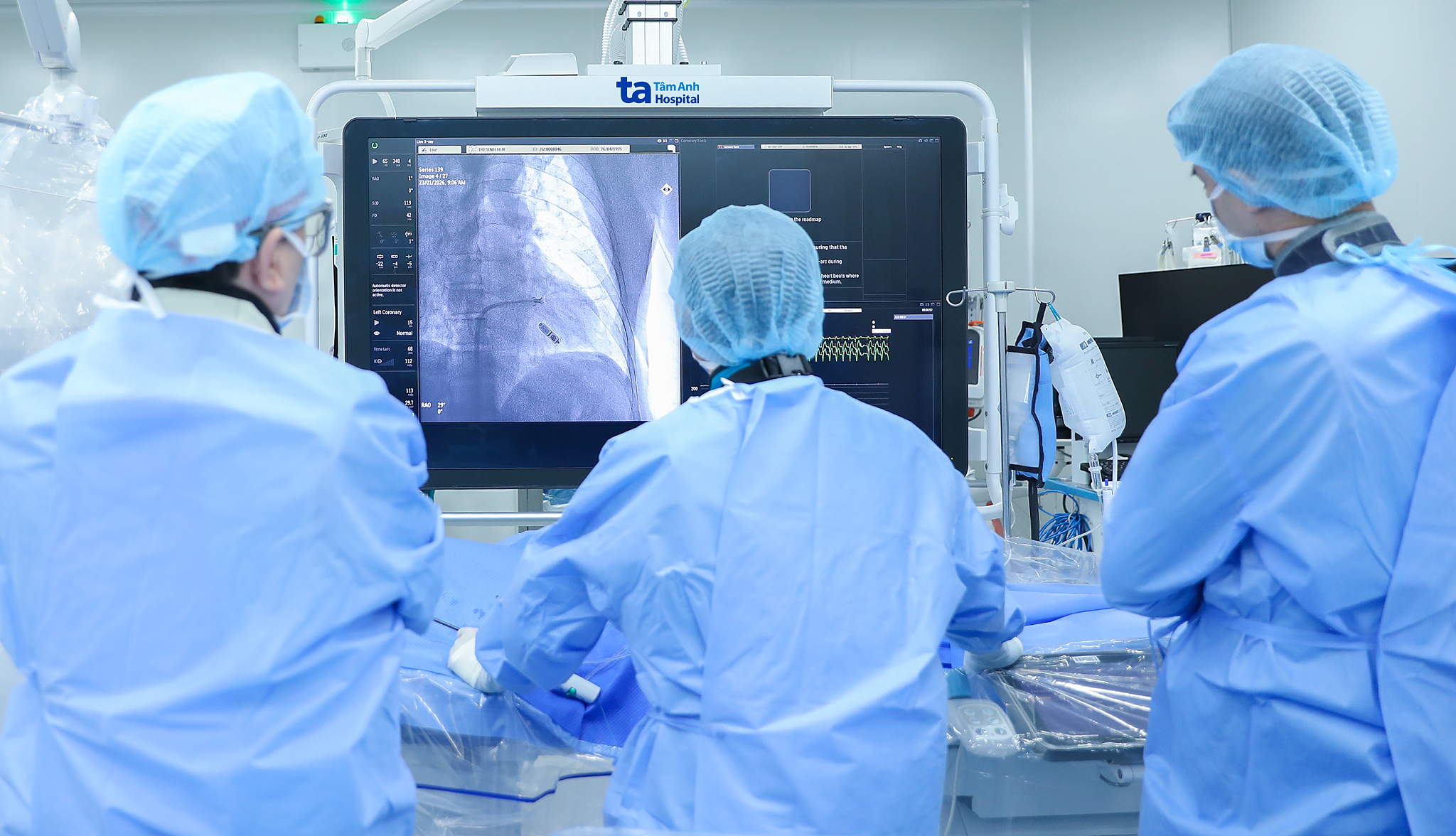 |
A doctor implants a leadless pacemaker for a patient. Illustration: Tam Anh General Hospital |
If a slow resting heart rate stems from physiological changes, such as in athletes or during sleep, intervention may not be necessary. If medication for another condition is causing the slow heart rate, doctors may adjust the dosage or recommend discontinuing certain drugs.
However, if bradycardia is accompanied by symptoms such as lightheadedness, dizziness, fainting or near-fainting sensations, fatigue, weakness, reduced exercise tolerance, chest pain, chest discomfort, shortness of breath, or memory impairment, you should seek medical attention. Doctors will typically order an electrocardiogram (ECG) and a Holter ECG to monitor heart activity continuously over an extended period. Based on these results, they can diagnose the condition and determine an appropriate treatment plan.
For a slow heart rate caused by severe, irreversible pathological conditions, patients may require the implantation of a pacemaker (available in both wired and leadless types) under the skin near the heart. This device emits electrical impulses, helping the heart return to a normal rhythm.
For patients at risk of dangerous arrhythmia progression, which could lead to cardiac arrest and death, doctors may consider an implantable cardioverter-defibrillator (ICD). This device is placed in the chest to detect abnormal heartbeats and deliver an electrical shock to the heart, restoring a stable rhythm.
To maintain a safe heart rate, in addition to regular check-ups and adhering to medical treatment plans, patients should avoid alcohol, smoking, chronic stress, and late nights. They also need to adopt a scientific diet, incorporating heart-healthy foods like green vegetables and salmon, while limiting animal fats and sources of bad cholesterol such as processed foods, fast food, fried dishes, and whole milk. Increasing physical activity and exercising for at least 30 minutes daily is also recommended.
Master. Doctor Le Xuan Hoang
Interventional Cardiology Center
Tam Anh General Hospital, Ho Chi Minh City
| Readers can submit questions about cardiovascular diseases here for a doctor's response. |