Doctor Nguyen Thi Kieu Phuong, from the Obstetrics and Gynecology Unit at Tam Anh Cau Giay General Clinic, shared this information, adding that the main cause of cervical cancer is human papillomavirus (HPV) infection. This virus is primarily transmitted sexually and is common in the community. Most women are infected with HPV at least once in their lives, but in most cases, the immune system can clear the virus naturally. However, if a high-risk HPV infection persists, the virus can cause changes in cervical cells, progressing to cancer after approximately 10-15 years.
"The incidence of the disease is becoming younger. Many women show no symptoms in the early stages," Doctor Phuong said, advising women to undergo cervical cancer screening from age 21, even without symptoms.
For women aged 21-29, the standard method is a Pap smear (cervical cell swab) every 3 years if results are normal. This test helps detect abnormal or precancerous cells in the cervix.
From age 30 onwards, women can choose one of three options: a Pap smear every 3 years, an HPV test every 5 years, or a combination of Pap smear and HPV testing (co-testing) every 5 years, provided all results are negative.
Screening is generally continued until around age 65. The decision to stop screening should be made in consultation with a doctor, based on medical history and previous examination results.
Beyond age, certain risk factors also necessitate earlier and more regular screening for women. These include early sexual activity, a history of sexually transmitted diseases, smoking, or immunosuppression, all of which increase the risk of HPV infection.
Women who have received the HPV vaccine still need to undergo regular cervical cancer screening to detect any abnormal changes early. The vaccine does not offer complete protection against all disease-causing viruses.
 |
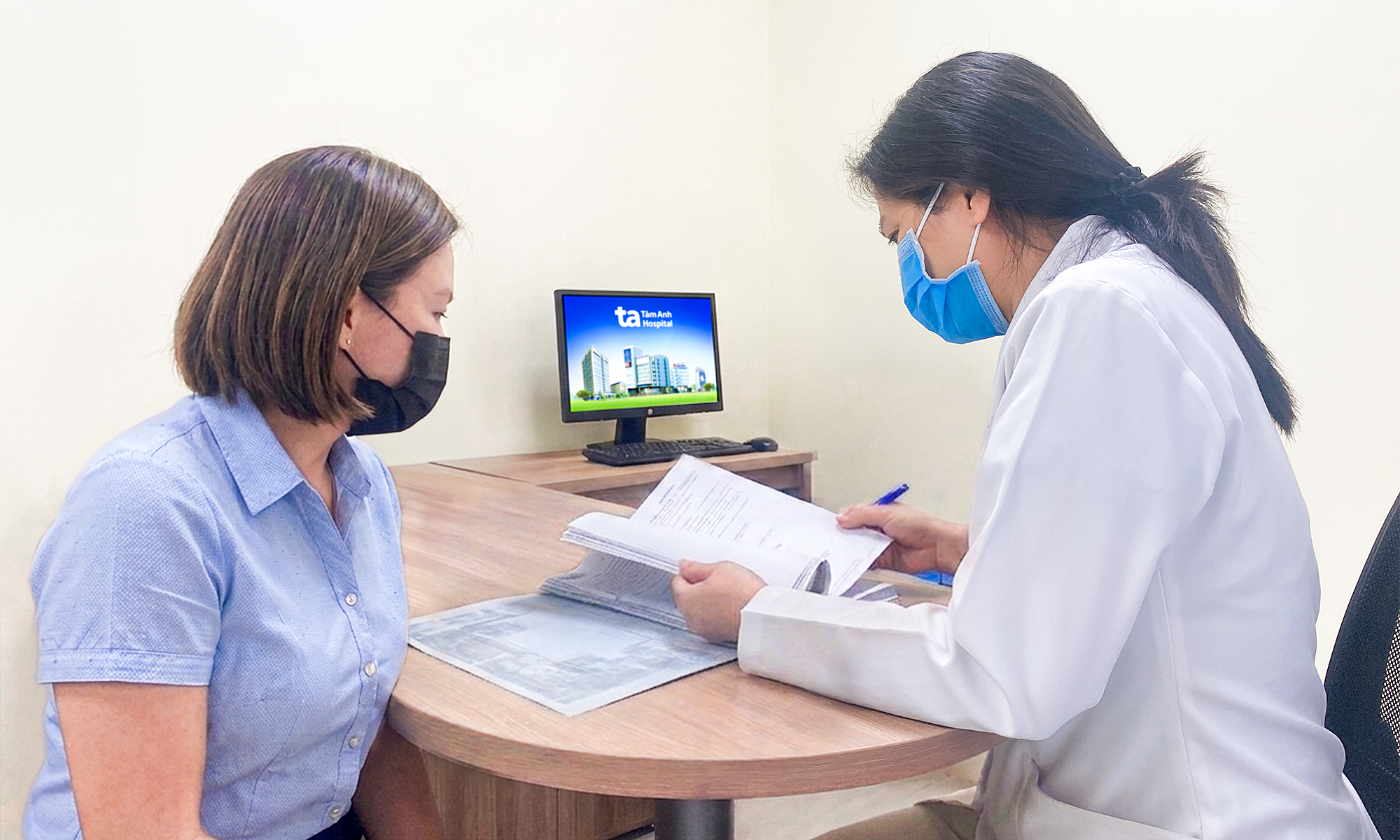
An obstetrician-gynecologist consults with a woman. Illustration: Tam Anh Cau Giay General Clinic.
Doctor Phuong noted that women who have never been sexually active have a low risk of HPV infection and therefore typically do not require screening yet. Those who have undergone a total hysterectomy may not need to continue screening. For more accurate test results, women should avoid sexual intercourse, vaginal douching, or using vaginal medications for approximately 24-48 hours before sample collection. It is recommended to perform the test 5 days after menstruation ends to ensure accuracy. If experiencing vaginal infections, women should complete treatment before undergoing screening.
If screening results reveal abnormal cells or a high-risk HPV positive result, doctors may recommend further evaluation steps such as colposcopy or cervical biopsy. These methods help determine the extent of the damage.
HPV vaccination, safe sexual practices, and regular gynecological check-ups can prevent cervical cancer. If abnormal signs appear, such as vaginal bleeding outside of menstruation, bleeding after intercourse, persistent pelvic pain, excessive vaginal discharge, or unusual odor, women should seek medical attention promptly.
Trinh Mai
| Readers can submit questions about obstetrics and gynecology here for doctors to answer |