Blood clots, or thrombi, are a natural part of the body's hemostasis mechanism, crucial for preventing blood loss after injury. However, when clots form within blood vessels without an injury or fail to dissolve, they can obstruct blood flow. This blockage can lead to severe complications, including heart attacks and strokes, as reported by Verywell Health.
For individuals with atrial fibrillation, many stroke-causing blood clots originate in the left atrial appendage, a small pouch extending from the left atrium. Normally, the heart's regular beating ensures continuous blood flow, according to the Times of India.
The American Heart Association (AHA) explains that atrial fibrillation causes the atria to quiver erratically rather than contract rhythmically. This chaotic movement allows blood to pool in the heart, significantly increasing the risk of clot formation. Should a blood clot detach and travel to the brain, it can block a cerebral artery, resulting in an ischemic stroke.
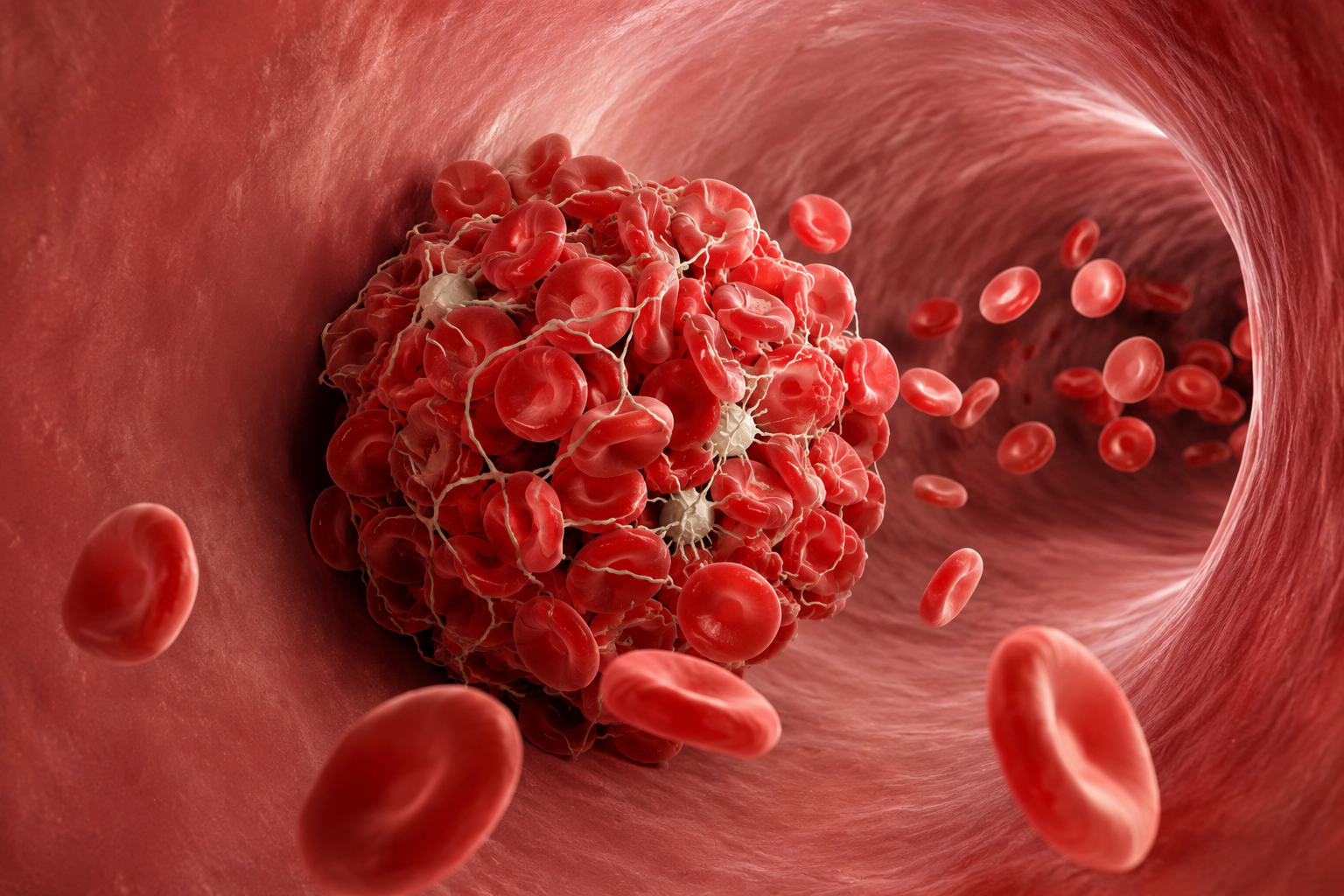 |
Blood clots causing stroke can form in the brain or originate from the heart or large blood vessels. AI-generated image. |
Individuals with atrial fibrillation face a significantly higher stroke risk than those without the condition. Atrial fibrillation does not always present with clear symptoms. The Mayo Clinic notes that some people experience a rapid heartbeat, palpitations, shortness of breath, dizziness, or unusual fatigue. Conversely, many cases are asymptomatic and are only diagnosed after a stroke has occurred.
While the heart is a common source of stroke-causing blood clots in individuals with atrial fibrillation, not all strokes originate there. Thrombi can also form in large arteries, particularly the carotid arteries in the neck, which supply blood to the brain, Healthline reports. When atherosclerotic plaques within artery walls become damaged or rupture, a blood clot can form, impeding blood flow to the brain.
The risk of blood clot formation increases with age and is higher in individuals with hypertension, diabetes, cardiovascular disease, obesity, or a history of smoking. Extended periods of inactivity or prolonged bed rest following surgery also elevate the risk of developing clots.
To minimize the risk of blood clot formation, individuals should engage in regular physical activity, maintain a healthy weight, and avoid smoking. Smoking promotes inflammation in the body, directly contributing to an increased risk of thrombi.
Effective management of chronic conditions, especially cardiovascular disease, is also crucial for preventing blood clots. Furthermore, limiting prolonged periods of sitting or lying motionless helps maintain healthy blood circulation.
For patients who have experienced a blood clot or undergone surgery for clot treatment, doctors often recommend early ambulation post-operatively to enhance circulation and lower recurrence risk. In specific instances, physicians may prescribe anticoagulant medications or implement other circulatory support measures to prevent recurrent clot formation.
Bao Bao (Compiled)