Response
Late-night eating is a common habit for individuals with night shifts or those who frequently stay up late. However, consuming food at this time can negatively affect weight and overall health.
The primary cause of weight gain is consuming more calories than the body expends, irrespective of the time of day. However, late-night eating often increases the risk of weight gain because many people tend to choose high-energy foods like fast food, processed items, or sweets, leading to a total calorie intake that exceeds their body's needs.
Eating high-calorie foods at night promotes fat storage because the body has insufficient time to digest and burn these calories. Physical activity levels to expend calories and burn fat are also limited during these hours.
Evenings are a time for the body to rest, and metabolic processes slow down. Eating late increases pressure on the stomach and digestive system, disrupting the body's normal circadian rhythm. This can elevate blood sugar, leading to difficulty sleeping. Poor sleep and fatigue alter hormones related to hunger and satiety. Individuals who frequently eat at night often have high levels of ghrelin (a hunger-stimulating hormone) and low levels of leptin (a satiety hormone), which can lead to overeating. Prolonged, this situation raises the risk of metabolic disorders and obesity.
If late-night eating is necessary, choose low-calorie, high-fiber, and protein-rich foods to minimize impact on your total calorie intake.
Steamed sweet potatoes and boiled fresh vegetables are free of oil, offer natural sweetness, are quick to prepare, and provide many nutrients, especially fiber, which promotes satiety.
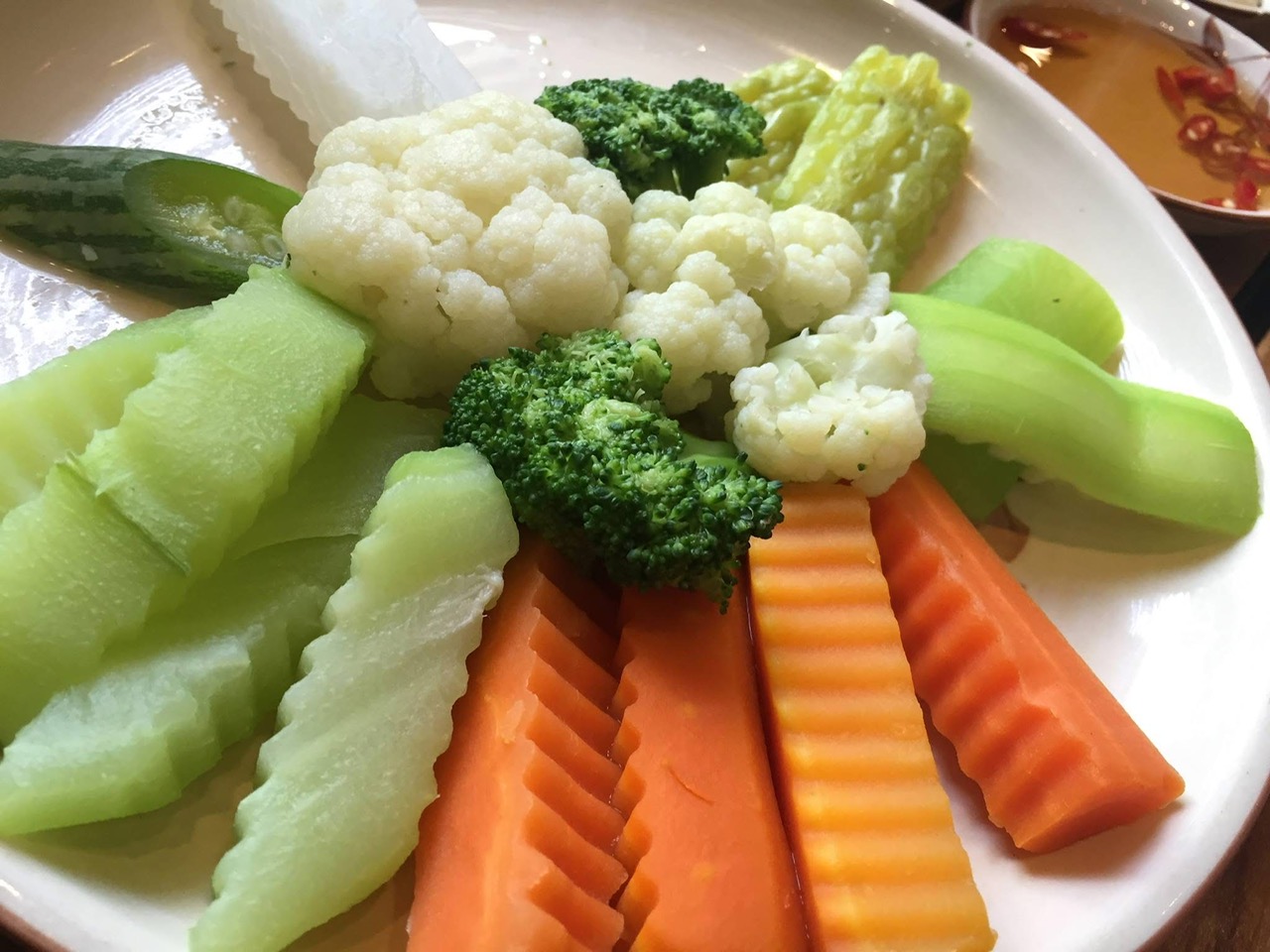 |
Boiled vegetables are a suitable late-night snack for weight management. Photo: Duc Hanh |
Boiled vegetables are a suitable late-night snack for weight management. Photo: Duc Hanh
Plain yogurt is rich in protein, contains no sugar, and has very little fat. You can add fruits like strawberries, blueberries, raspberries, and cherries, as they are high in antioxidants.
Whole-grain crackers are high in fiber and low in calories.
Boiled eggs are rich in protein, vitamin K2, and B12, with approximately 75 calories per egg. They provide sustained satiety, making them an excellent late-night snack. A handful of nuts, such as cashews, flaxseeds, or pistachios, also contribute healthy fats, protein, and fiber with a low-calorie count, aiding in weight control.
Dark chocolate can help regulate blood sugar levels and reduce cravings. After 22:00, if you drink a glass of warm water with a little honey, late-night cravings will quickly subside, as honey contains essential minerals and vitamins.
Aim to eat regular meals before 20:00. Space each meal 3-4 hours apart to help stabilize blood sugar levels, which in turn controls hunger and cravings.
Nutritionist Hoang Dao Ngoc Lan
Endocrinology and Diabetes Unit
Tam Anh General Clinic, District 7
| Readers can submit questions about endocrine diseases here for doctors to answer. |