Mr. Phu, a 72-year-old patient, sought medical attention after his vision deteriorated, with his eyes appearing opaque white. Ophthalmologist Dr. Duong Minh Phuc, from the High-Tech Eye Center at Tam Anh General Hospital, Ho Chi Minh City, diagnosed him with stage 3 cataracts. His vision was significantly impaired, with his right eye at 4/10 and his left eye at 6/10. Mr. Phu’s medical history includes hypertension and type 2 diabetes for over 10 years, conditions currently managed with oral medication and insulin injections. These chronic illnesses likely accelerated the cataract progression, causing a noticeable decline in vision within months.
Following thorough examinations, including refraction, intraocular pressure, ocular ultrasound, and assessment of lens thickness and corneal condition, Mr. Phu’s blood sugar was stabilized at 6.5 mmol/L. Doctors recommended phacoemulsification surgery to prevent the disease from worsening, which would complicate treatment and reduce the potential for vision recovery. The minimally invasive procedure involves using ultrasonic waves to emulsify the damaged lens, which is then aspirated and replaced with an artificial intraocular lens. This technique ensures quick surgery and early vision restoration.
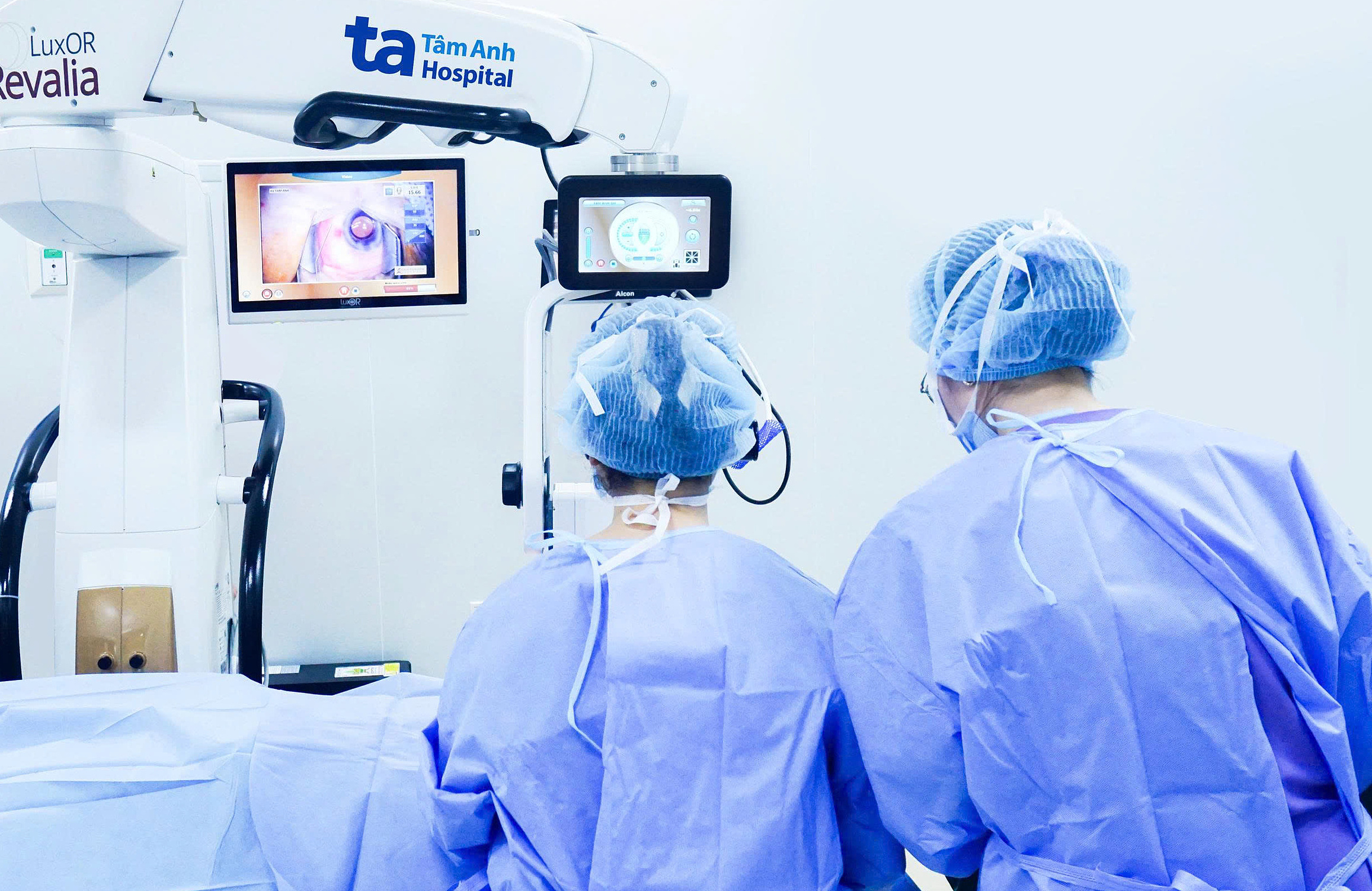 |
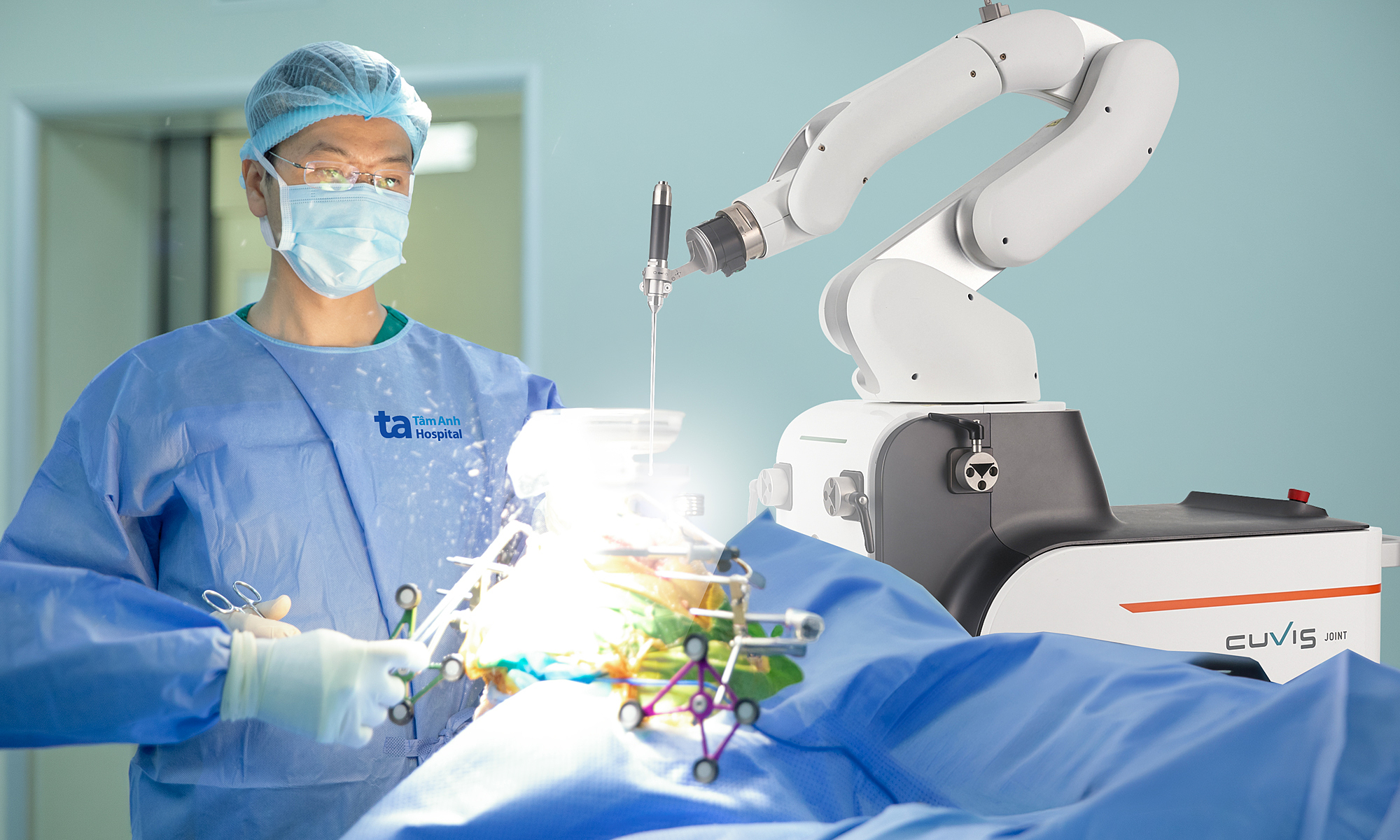
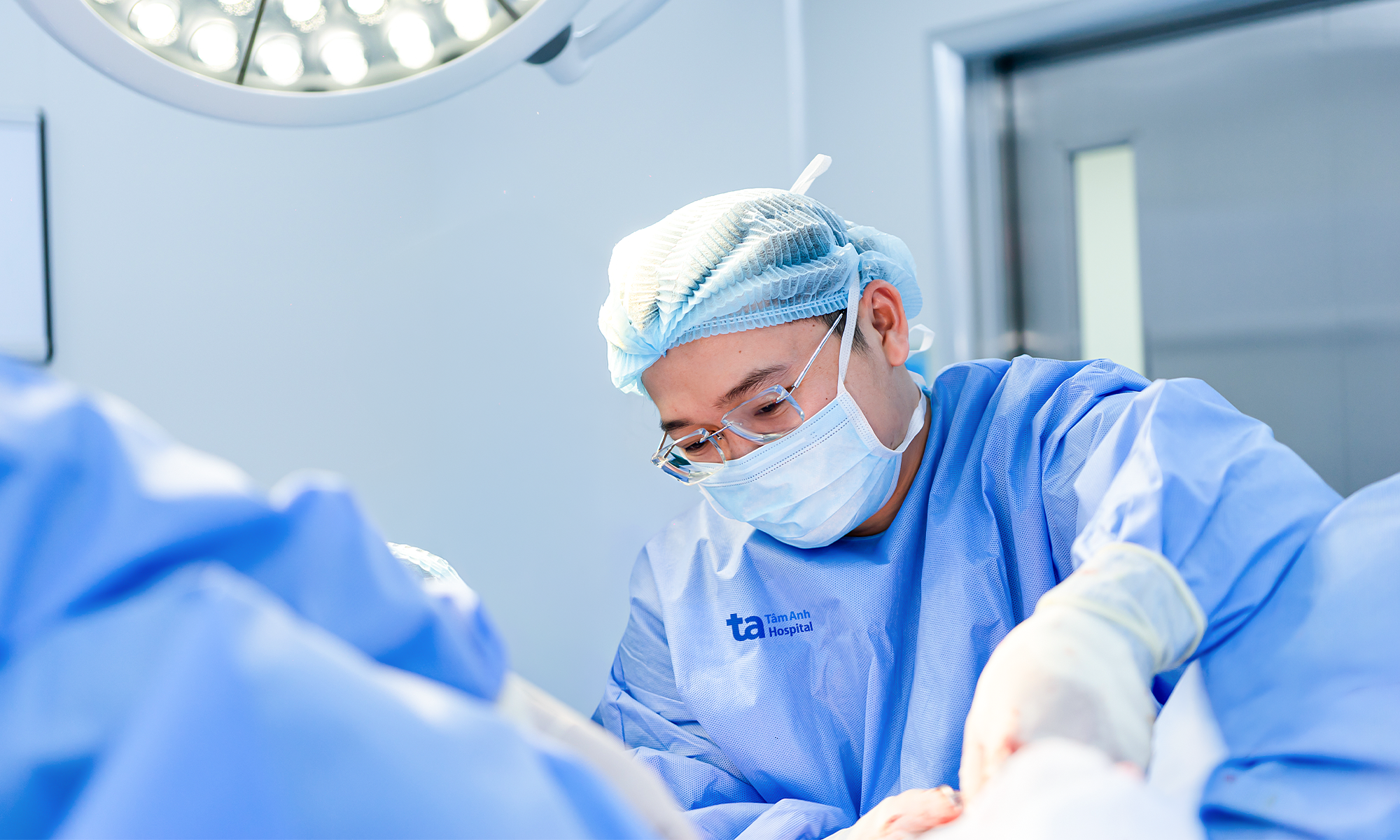
Doctors performing phacoemulsification surgery to replace Mr. Phu's natural lens with an artificial one. Photo: Tam Anh General Hospital |
Two weeks post-surgery, Mr. Phu’s vision in both eyes had fully recovered, reaching 10/10, and he no longer experienced glare. He received instructions to diligently care for and protect his eyes, ensuring adequate rest. He was also advised to seek immediate medical attention if any unusual symptoms arise, such as reduced vision, severe pain, seeing black spots, or eyelid swelling.
Cataracts, also known as dry cataracts, occur when the eye’s natural lens changes due to aging or injury. The lens gradually loses transparency, becoming opaque white or yellow. The disease progresses silently, often presenting with symptoms like blurry vision, a sensation of seeing through a veil, black spots, halos, or altered color perception.
According to Dr. Phuc, cataracts are common in individuals over 60. Those with diabetes face a 2-5 times higher risk and are also more susceptible to other eye diseases that can lead to blindness if not treated promptly.
Ngoc Kim Tham
*Patient's name has been changed
| Readers can submit ophthalmology questions here for doctors to answer. |