The aorta is the largest blood vessel in the body, responsible for carrying oxygen-rich blood from the heart to nourish organs. When the vessel wall weakens, the aorta abnormally expands, forming an aneurysm.
According to Associate Professor Doctor Vu Huu Vinh, Director of the Thoracic and Vascular Surgery Center at Tam Anh General Hospital, Ho Chi Minh City, an aortic aneurysm is a dangerous condition that often progresses silently and is difficult to detect. However, it carries the potential risk of rupture. Many patients only discover an aortic aneurysm when the bulge has grown large or dangerous complications have appeared.
Symptoms such as shortness of breath, gasping, or chest tightness are often mistaken for common respiratory or cardiovascular diseases. These could be warning signs that the aneurysm is progressing to a dissection or rupture stage. Associate Professor Vinh recommends that individuals in at-risk groups undergo regular health check-ups.
High blood pressure
In patients with high blood pressure, uncontrolled blood pressure continuously impacts and weakens arterial walls, gradually thinning them. Over time, these damaged areas of the vessel wall can no longer withstand the pressure of blood flow, leading to an arterial aneurysm. If not treated or closely monitored, the aneurysm will grow large, leading to dissection or rupture of the aortic aneurysm, which carries a high risk of death.
Long-term smoking
Smoking is one of the leading risk factors for vascular disease. Toxins in cigarette smoke not only promote inflammation but also alter protein structures in the vessel walls, causing arteries to lose their natural elasticity. Prolonged smokers often have a rapidly progressing risk of atherosclerosis, which creates favorable conditions for an aneurysm to form and develop silently.
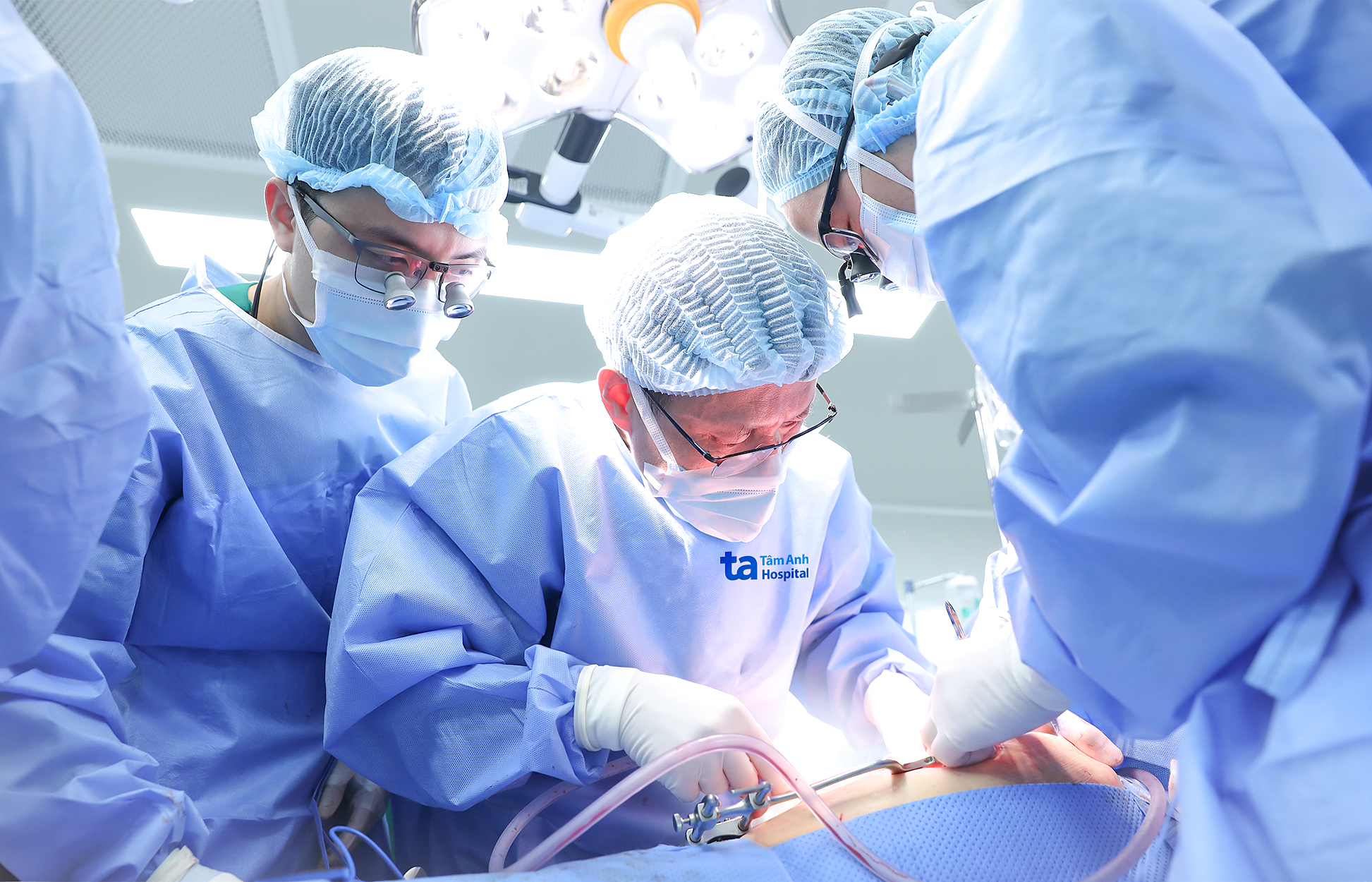 |
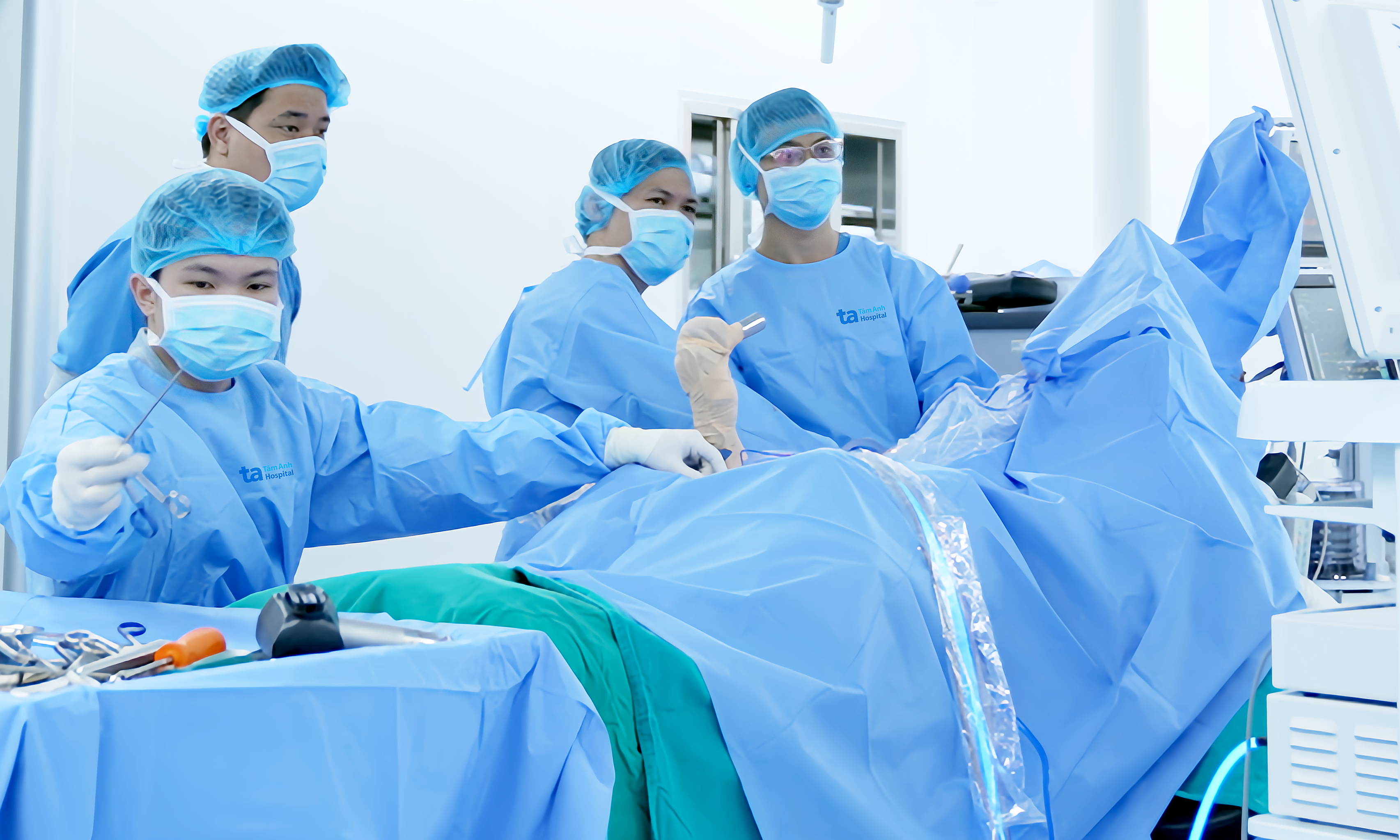
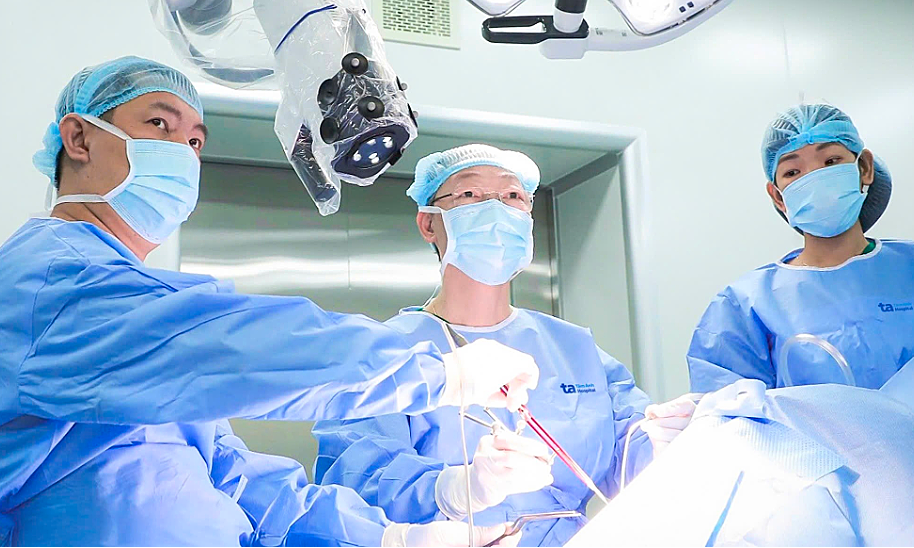
Associate Professor Vinh (center) performs emergency surgery on a patient with a ruptured aortic aneurysm. Photo: Tam Anh General Hospital
Older adults
The natural aging process causes elastin and collagen fibers in arterial walls to degenerate, reducing the blood vessels' ability to withstand force. After the age of 60, the body's vascular system easily becomes hardened and weakened. Combined with underlying medical conditions accumulated over many years, older adults have the highest rate of aortic aneurysms and require regular check-ups for screening and early detection of abnormalities, according to Associate Professor Vinh.
Family history of vascular disease
Genetic factors play a significant role in the formation of aortic abnormalities. Individuals with family members (parents, siblings) who have had an aortic aneurysm or dissection often carry underlying genetic defects in connective tissue structure. This group requires specialized screening even before clinical symptoms appear, to help detect vascular system abnormalities early.
Associate Professor Vinh advises individuals in high-risk groups to undergo regular disease screening. When experiencing prolonged chest pain or shortness of breath, especially if accompanied by pain radiating to the neck, shoulders, back, or unexplained hoarseness, patients should go to a hospital with a Cardiology department for specialized examination. Early detection can reduce the risk of complications and improve treatment effectiveness.
Depending on their condition, patients may undergo regular monitoring combined with risk factor control, or endovascular intervention (stent graft placement), and surgical replacement of the damaged vessel segment to prevent complications like aortic dissection or rupture.
Bao Anh
| Readers can submit questions about cardiovascular disease here for a doctor's answers. |