Green tea contains antioxidants that boost metabolism and provide energy from caffeine. However, this beverage is not suitable for everyone.
Sensitive stomach or acid reflux
Green tea's tannin content can increase stomach acid, leading to discomfort, bloating, constipation, or exacerbating acid reflux and ulcers. In some cases, high tannin levels can also hinder nutrient absorption. Individuals with gastritis or a sensitive digestive system should consume green tea after meals, avoiding it on an empty stomach or immediately after waking.
Iron deficiency, anemia
Green tea can interfere with the absorption of non-heme iron, found in plant-based foods, dairy, and eggs. This effect can harm individuals with iron deficiency or anemia. Consuming vitamin C-rich foods like lemons and citrus fruits with meals can enhance iron absorption.
Pregnant and breastfeeding women
During pregnancy and breastfeeding, women should limit green tea consumption. Its caffeine content, if consumed excessively, can raise miscarriage risk and hinder fetal development. Catechins in green tea can also hinder folic acid absorption. Women should not drink more than two cups of tea daily during pregnancy and while breastfeeding.
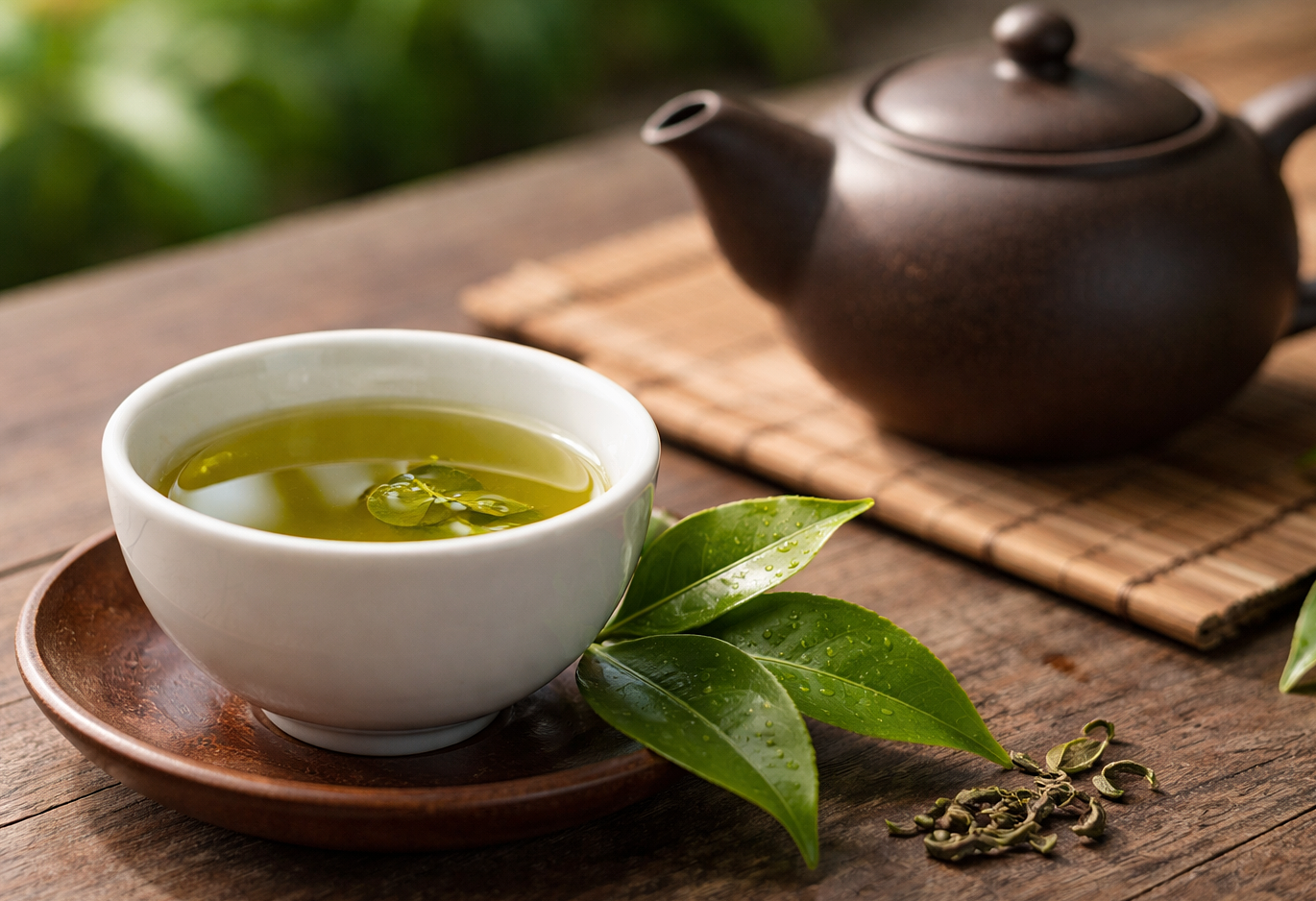 |
Green tea can hinder nutrient absorption. Image created by AI |
Caffeine sensitivity
For sensitive individuals, even a small amount of caffeine can cause restlessness, a rapid heartbeat, irritability, or tremors. High caffeine intake can also reduce calcium absorption, weakening bones over time. This group should prioritize herbal teas or other caffeine-free beverages.
Children
Green tea is not suitable for children because its caffeine content can overstimulate their nervous system. Tannins also interfere with the absorption of nutrients like protein and fats, impacting children's growth.
Certain medical conditions
Green tea can worsen symptoms for individuals with anxiety disorders, bleeding disorders, heart rhythm disorders, or diabetes. It can also increase intraocular pressure in glaucoma patients and raise the risk of liver damage, particularly when consumed as a concentrated extract. Osteoporosis patients should limit green tea because caffeine can promote calcium excretion through urine.
To protect health, limit green tea consumption to about two to three cups daily. If adverse symptoms appear, discontinue use and consult a doctor.
Le Nguyen (According to Times of India)
| Readers can submit nutrition questions here for doctor's answers. |