Meningitis is an acute infection of the central nervous system, affecting the membranes surrounding the brain and spinal cord. One common symptom is photophobia, an extreme sensitivity to light. This condition can be dangerous, potentially leading to severe complications or even death if not treated promptly.
The fear of light in meningitis patients is directly linked to the inflammatory response in the meninges. When these protective membranes become inflamed, they swell and become distended, similar to an inflated balloon. This swelling continuously irritates and compresses the trigeminal nerve, also known as cranial nerve 5, which controls the eyes, forehead, and face. Consequently, patients become highly sensitive, experiencing intense pain even from a small ray of light entering their eyes. Other symptoms include severe headaches, a stiff neck that prevents bending the head forward, and projectile vomiting.
Meningitis can cause brain damage, seizures, or even be fatal if left untreated. Patients may also suffer long-term complications such as: paralysis, deafness, impaired hearing, vision, or memory, and various mental disorders.
 |
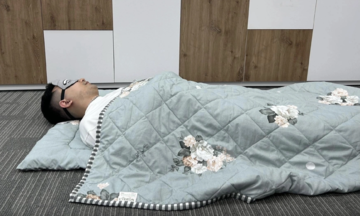
People with meningitis often experience photophobia. Illustration: Vecteezy. |
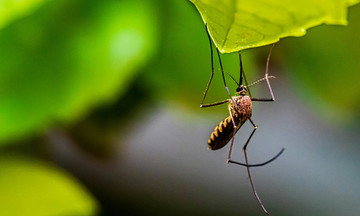
Numerous bacteria and viruses can cause meningitis, including: meningococcus, pneumococcus, Hib, influenza, Japanese encephalitis, measles, mumps, herpes simplex, chickenpox, and hand, foot, and mouth disease. The sources of infection are diverse, ranging from respiratory droplets and contact with patient secretions to vector-borne transmission by mosquitoes.
Vaccination is the most effective measure to prevent agents causing encephalitis and meningitis. Different vaccines are recommended for various age groups.
The Hib vaccine, which prevents meningitis, is available as a monovalent shot for children aged 2 months to 15 years, and as a combined dose in the 6-in-1 vaccine, indicated for children from 2 months of age and can be administered as early as 6 weeks old. Pneumococcal vaccines, which protect against pneumonia, meningitis, sepsis, middle ear infections, and sinusitis, include serotypes: 10, 13, 15, 20, and 23, with vaccination schedules varying by age.
Meningococcal vaccines also prevent meningitis, targeting five common disease-causing serogroups: A, B, C, Y, and W-135. The flu vaccine can be given from 6 months of age and requires an annual booster shot. Everyone should review their vaccination history to ensure full immunization and receive booster doses according to the recommended schedule.
Doctor Le Thi Gam
Medical Manager, VNVC Vaccination System