Many women, despite balancing work, childcare, and household duties, find themselves gradually avoiding intimacy with their husbands. While some may believe they have "lost desire," Do Xuan Hoa, a pharmacist at the Medical Information Center, Tam Anh General Hospital, TP HCM, indicates that the underlying causes often involve both physical and mental changes.
Hormonal changes
Both estrogen and testosterone are vital for women's sexual desire. Estrogen maintains vaginal moisture, arousal, and comfort during intercourse. Testosterone contributes to desire and sexual energy.
Following childbirth or during perimenopause and menopause, decreased estrogen levels can lead to vaginal dryness, painful intercourse, and reduced pleasure. These factors often cause women to gradually withdraw from intimacy.
Prolonged fatigue
Pharmacist Hoa notes that prolonged fatigue is a common yet often underestimated factor. Insufficient sleep, chronic work stress, family responsibilities, or juggling multiple duties can leave the body in a constant state of exhaustion. When energy levels drop, sexual desire is frequently among the first bodily functions to be impacted.
Certain medical conditions, including diabetes, thyroid disease, chronic pain, and obesity, along with the side effects of some medications, can also diminish arousal and sexual desire.
 |
Stressful work can lead to physical fatigue in women. Illustration: Eco Pharmaceutical Joint Stock Company
Stress
When the brain remains in a constant state of stress, the body struggles to achieve the relaxation vital for sexual activity. Persistent feelings of exhaustion, anxiety, or pressure can progressively diminish sexual desire.
Many women avoid intimacy due to practical concerns, such as fear of painful intercourse, postpartum body image issues, anxiety about unwanted pregnancy, or a perceived lack of connection within their relationship. As feelings of safety and partnership diminish, sexual needs often shift as well.
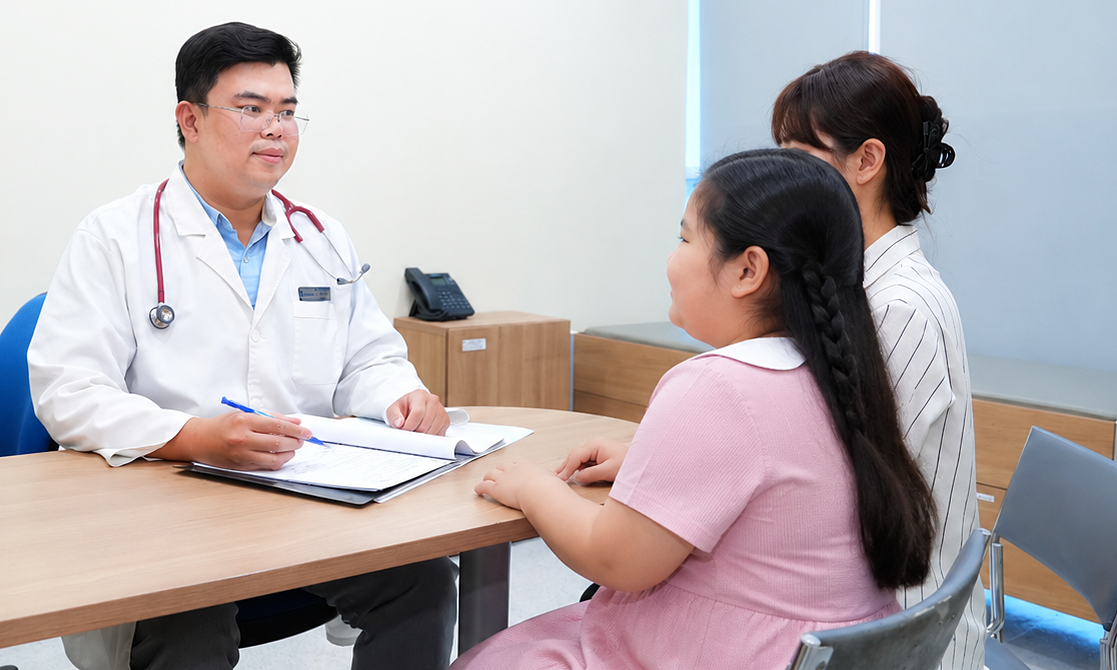
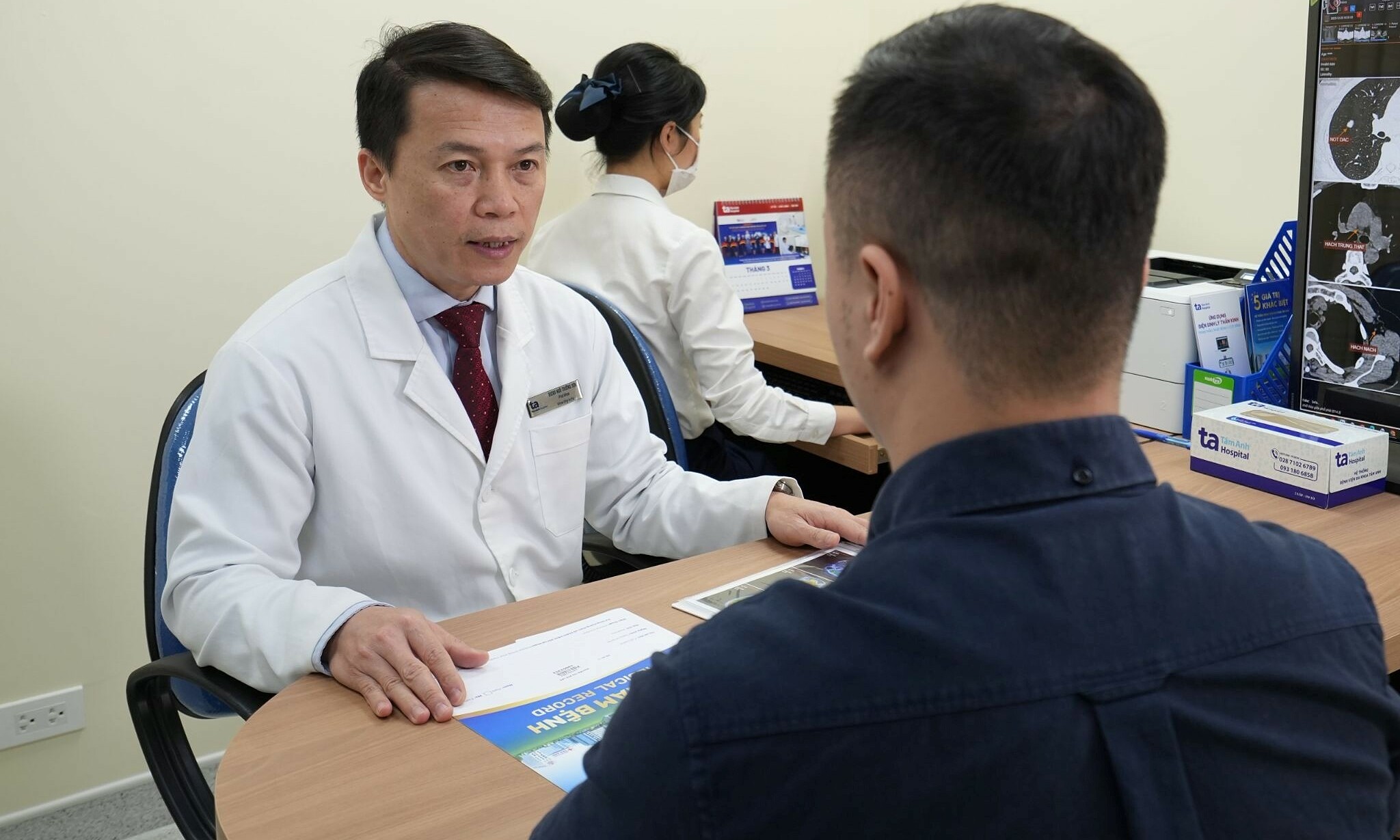
Pharmacist Hoa emphasizes that a decrease in female libido should not be dismissed as an inevitable outcome of aging or long-term marriage. If this condition persists for several months, women should seek a medical consultation to identify the underlying causes and explore strategies to improve their sexual health.
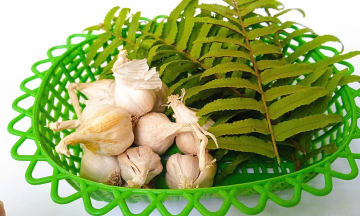
Alongside professional medical advice, women should prioritize adequate sleep, stress management, treatment of underlying health conditions, and support for hormonal balance to enhance libido. Natural extracts such as Lepidium Meyenii and P.Leucotomos, rich in vitamins and minerals, can positively influence the brain-pituitary-ovary axis. These extracts help regulate hormones, improve circulation, and support the body's physiological needs, thereby contributing to improved sexual desire.
Dinh Dieu
| Readers can submit questions about cancer here for doctors to answer |