Breathing is interrupted multiple times during the night.
Sleep apnea, as reported by the Times of India, occurs when the airway narrows or becomes obstructed during sleep. Patients may stop breathing for short periods, after which the brain sends an alarm signal to restore respiration.
These interruptions can happen repeatedly each night. Many individuals gasp, snort, or make loud noises before resuming sleep, often without realizing these events. This leads them to believe their sleep is continuous, even though it is frequently disrupted.
Blood oxygen levels can decrease.
Each breathing cessation reduces or temporarily halts air flow to the lungs, which can decrease blood oxygen levels, particularly during prolonged or frequent episodes.
To maintain respiration, the body constantly adjusts, forcing the heart and nervous system to work harder instead of resting fully. This nocturnal cycle can result in individuals waking up tired, low on energy, or struggling with concentration.
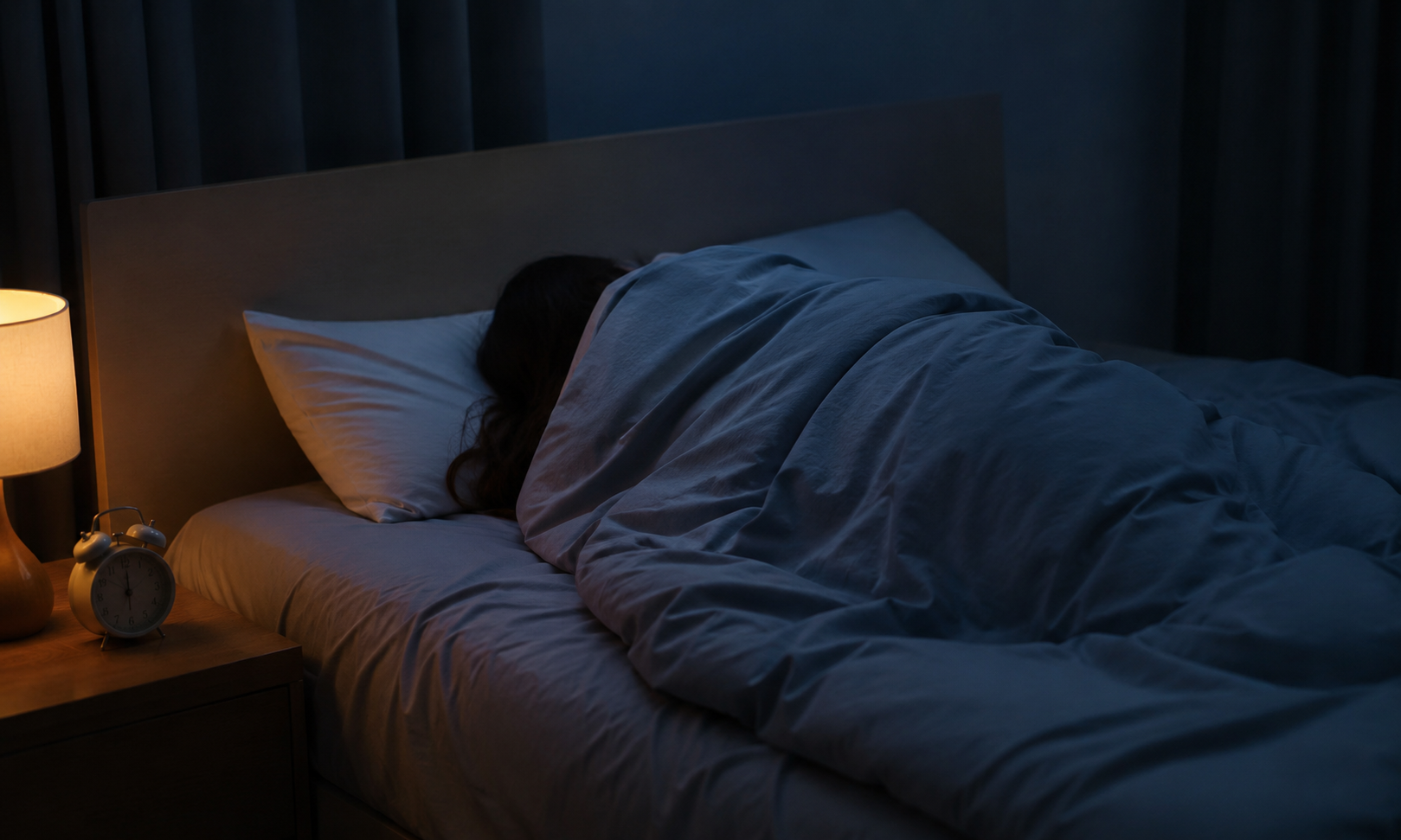 |
Sleep apnea causes fragmented sleep. *Image created by AI*. |
The brain does not truly rest.
Sleep is vital for brain function, supporting memory, emotional regulation, and recovery. However, in sleep apnea patients, breathing interruptions repeatedly shift the brain into an alert state. Frequent occurrences can lead to slower reactions, poor concentration, or daytime drowsiness, as reported by Very Well Health.
Sleep apnea elevates the risk of conditions such as high blood pressure, stroke, and heart attack. To mitigate these risks, maintaining a healthy weight is recommended, as excess neck fat can constrict the airway. Additionally, sleeping on one's side, rather than the back, helps prevent the tongue and soft throat tissues from collapsing backward.
Patients should limit evening alcohol consumption, as it relaxes throat muscles and can lead to obstruction. Avoiding smoking is also crucial to reduce respiratory irritation or inflammation. Individuals with chronic nasal congestion from allergies or other respiratory issues should receive proper treatment. If you experience frequent loud snoring, gasping, or if family members observe you stopping breathing during sleep, it is advisable to consult a doctor.
Le Nguyen (Compiled)
| Readers can submit questions about respiratory illnesses here for a doctor's response. |