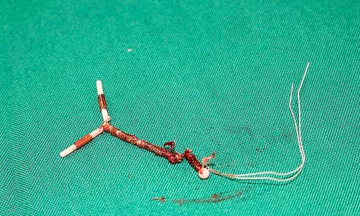
The external ear canal is a narrow cavity that protects the ear from bacteria and fungi. The skin of the ear canal has a layer of cerumen (earwax), which maintains a slightly acidic pH, creating a natural antibacterial and antifungal barrier.
When water or shampoo accidentally enters the ear and is not properly cleaned, this protective layer washes away. This increases moisture in the ear canal, creating conditions for Candida or Aspergillus fungi to grow. The risk is higher for individuals with a history of ear infections or sensitive skin. Common symptoms of ear fungus include: itchy ears, a sensation of wanting to scratch the ear, pain, hearing loss, tinnitus, and discharge.
If diagnosed with ear fungus, a doctor typically cleans the fungal tissue endoscopically and prescribes medication. It is important not to self-medicate with eardrops containing antibiotics or corticosteroids. While corticosteroids temporarily reduce inflammation, they weaken local immunity, allowing the ear fungus to thrive and recur easily.
 |
Doctor Nguyen advising a patient. Photo: Tam Anh General Hospital |
Doctor Nguyen advising a patient. Photo: Tam Anh General Hospital
External ear canal fungus usually does not cause dangerous complications requiring surgical treatment. However, immunocompromised patients (those with diabetes, HIV, or undergoing chemotherapy) may experience a perforated eardrum or mastoiditis due to invasive necrosis.
To prevent recurrence, keep your ears dry and avoid letting water, shampoo, or essential oils enter the ear canal. Use earplugs when showering or swimming. Do not share towels or ear cleaning tools with others, and always follow your doctor's instructions.
If symptoms such as severe ear itching, unusual discharge, tinnitus, or hearing loss appear, patients should visit an ear, nose, and throat specialist for examination, ear endoscopy, and appropriate treatment to address the cause and prevent complications.
Dr. Nguyen Trung Nguyen
Ear, Nose, and Throat Center
Tam Anh General Hospital, TP HCM
| Readers can submit questions about ear, nose, and throat diseases here for doctors to answer. |