Answer:
In cold weather, the body loses less water, so people often feel less thirsty. However, dehydration thickens the blood, increases its viscosity, and slows blood circulation. When blood struggles to move through vessels, especially in individuals with atherosclerotic plaques or weak vessel walls, arterial pressure rises, contributing to an increased risk of stroke, particularly hemorrhagic stroke.
The body's natural response to cold, vasoconstriction to conserve heat, also tends to increase blood pressure. If this is combined with dehydration and thickened blood, the heart must pump harder to circulate blood. This combination of vasoconstriction, elevated blood pressure, and thick blood places a significant burden on cerebral blood vessels.
Dehydration also affects electrolyte balance, which can lead to irregular heart rhythms and reduced oxygen supply to the brain. Some individuals drink little water but consume more coffee, strong tea, or alcohol during cold weather, further accelerating dehydration. Older adults often experience a reduced sense of thirst, putting them at higher risk of thickened blood if they do not adequately rehydrate.
You should seek medical attention if you frequently experience headaches in cold weather, dizziness, blurred vision, numb hands and feet, rapid heartbeat, or unusual blood pressure fluctuations. A doctor may recommend continuous blood pressure monitoring, blood tests, carotid artery ultrasound, or a brain magnetic resonance imaging scan to detect early signs of narrowing, blockage, or hemorrhage.
 |
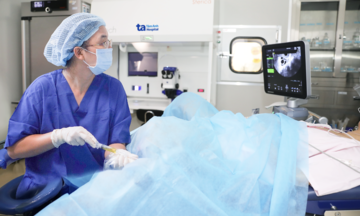
Doctor Quang Minh examines a patient. Illustration: Tam Anh General Hospital |
To prevent stroke in cold weather, aim to drink about 1,5-2 liters of warm water daily, depending on your weight and activity level. Limit coffee, strong tea, and alcohol. Keep your body warm, especially your head and neck. Monitor your blood pressure regularly and take prescribed medications. Supplement your diet with foods rich in omega-3, B vitamins, and natural extracts such as blueberry and ginkgo biloba, which help improve cerebral blood circulation, reduce oxidative stress, and support the protection of nerve cells. Individuals with underlying cardiovascular or metabolic conditions should have regular follow-up appointments, as the cold season is a period prone to neurological and vascular events.
Doctor, Level II Specialist Ngo Tran Quang Minh
Medical Director and Head of General Internal Medicine Department
Tam Anh General Hospital District 8
| Readers can submit questions about neurological diseases here for the doctor to answer. |