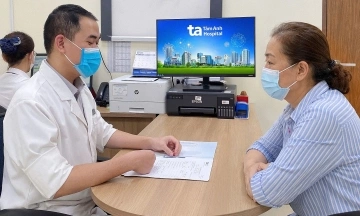
"This is the first time we have treated a child with acute glomerulonephritis and secondary hypertension while suffering from purulent tonsillitis," stated Dr. Vuong Ngoc Thien Thanh, from the Pediatrics Department at Tam Anh General Hospital, Ho Chi Minh City.
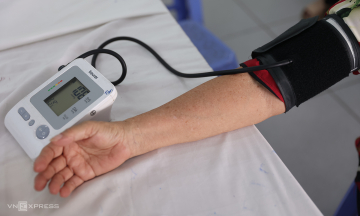
Ngoc's tonsils were red, swollen, and contained pus. Her blood pressure was 121/68 mmHg (normal for children ranges from 90/60 mmHg to 110/70 mmHg), and she had a rapid sinus rhythm of about 155 beats/minute (normal is about 75-118 beats/minute). Urinalysis revealed the presence of blood and protein. Blood tests confirmed the child was co-infected with *Chlamydia pneumoniae* and *Mycoplasma pneumoniae*, two bacterial strains known to cause respiratory tract infections in children.
Dr. Thanh explained that *Chlamydia pneumoniae* and *Mycoplasma pneumoniae* are atypical bacteria capable of residing within cells. When an infection develops, the immune system generates antibodies to combat the bacteria. These antibodies then combine with bacterial antigens, forming immune complexes that deposit in the glomeruli, the kidney's filtering units. This process triggers an inflammatory response, causing blood and protein to leak into the urine, which leads to acute glomerulonephritis.
When the glomeruli become inflamed, the kidneys' ability to filter and excrete water and salt is impaired. The body then retains water and salt, which increases circulatory volume and elevates blood pressure, leading to secondary hypertension of renal origin.
Dr. Thanh prescribed specific antibiotics to treat the *Chlamydia pneumoniae* and *Mycoplasma pneumoniae* infections. After 9 days, the child's condition stabilized; her heart rate and blood pressure returned to normal, she ate better, no longer passed protein in her urine, and was discharged from the hospital.
Ngoc must continue her prescribed medication to complete the treatment course and ensure the bacteria are fully eradicated. Although her overall health has significantly improved, she still experiences mild hematuria, which might persist for several months before resolving completely. The patient is required to attend scheduled follow-up appointments for doctors to monitor and assess her recovery progress.
 |
Dr. Thanh examining Ngoc before discharge. Photo: Tam Anh General Hospital.
According to Dr. Thanh, most children suffering from tonsillitis can be managed on an outpatient basis under medical guidance. However, Ngoc's co-infection with both *Chlamydia pneumoniae* and *Mycoplasma pneumoniae* resulted in a rapid and dangerous progression of her illness.
To prevent such conditions, Dr. Thanh advises parents to ensure their children receive full vaccinations, teach them the habit of frequent hand washing with soap, and maintain hygiene in their living environment.
Children should be taken to the hospital immediately if they exhibit symptoms such as high fever unresponsive to antipyretics, difficulty breathing, rapid breathing, extreme fatigue, lethargy, difficulty waking up, inability to drink water, cyanosis, rash, severe headache, or swelling of hands and feet.
Gian Don
* The patient's name has been changed.
| Readers can send questions about children's diseases here to be answered by doctors |