Eosinophilic ascites is a condition where fluid accumulates in the abdominal cavity, containing a high number of eosinophils – immune cells linked to allergic reactions. This condition can occur when the body overreacts to food proteins, such as those found in seafood.
Master, Doctor Huynh Hoai Phuong, from the Department of Gastroenterology, Center for Endoscopy and Gastrointestinal Endoscopic Surgery, explained that when eosinophils are localized in the mucous membrane, patients often experience abdominal pain and diarrhea. If they infiltrate the serosa, they can cause inflammation and ascites, as seen in Hoang's case. This is a rare condition, as ascites is typically associated with liver cirrhosis, heart failure, peritoneal tuberculosis, or cancer.
Beyond elevated eosinophils and liver enzymes, tests also revealed that he had autoimmune abnormalities, severe uncontrolled type 2 diabetes leading to blood acidosis, and active hepatitis B virus at a high concentration. "Eating seafood can be a triggering factor for eosinophilic ascites in individuals with sensitive predispositions like Hoang", Doctor Phuong said.
 |
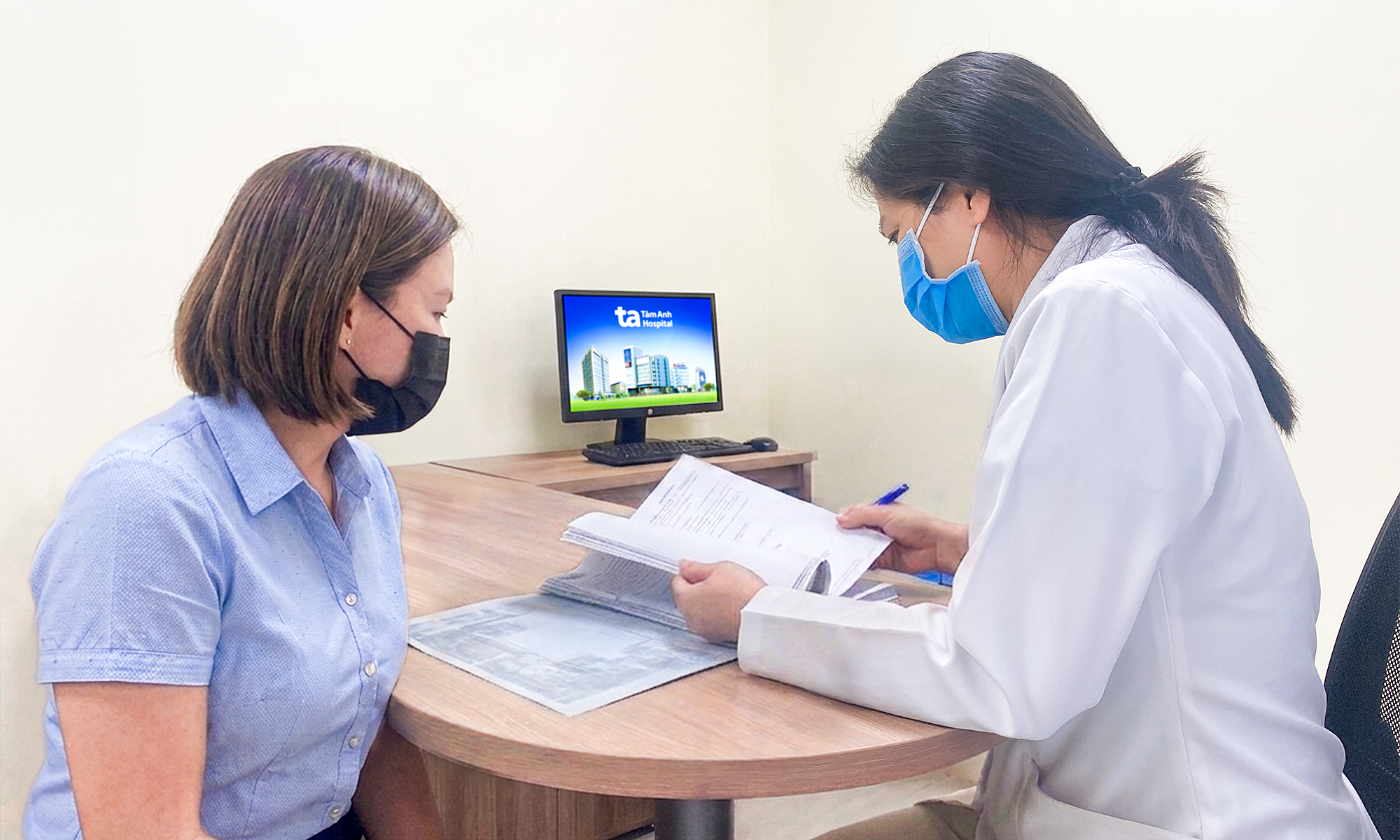
Doctor Ngan examining Hoang. Photo: Tam Anh General Hospital. |
Hoang was prescribed antiviral medication to manage chronic hepatitis B, preventing the risk of viral flare-ups when using immunosuppressants, while also stabilizing blood sugar. After one week, the patient received oral corticosteroids to control inflammation, reduce ascites, and eosinophilic infiltration.
Master, Doctor, Specialist Level II Le Thanh Quynh Ngan, Head of the Department of Gastroenterology, Center for Endoscopy and Gastrointestinal Endoscopic Surgery, explained that for individuals with chronic hepatitis B, like Hoang, concurrent corticosteroid immunosuppressive therapy can increase the risk of viral reactivation. Therefore, patients need early and potent antiviral medication to avoid hepatitis flare-ups. High-dose corticosteroids can also make diabetes management more challenging.
After 14 days of treatment, Hoang's condition significantly improved, with a marked reduction in ascitic fluid. After three weeks, his eosinophil count returned to normal. The patient is being monitored as an outpatient, gradually reducing corticosteroid dosage, and continuing treatment for hepatitis B and diabetes.
If left untreated, eosinophilic ascites can lead to further fluid accumulation in the abdominal cavity, causing bloating, difficulty breathing, and an increased risk of infection and damage to organs such as the intestines, liver, and heart. Doctor Ngan advises that individuals experiencing prolonged abdominal pain, bloating, or unusual abdominal distension should seek medical examination for diagnosis.
Quyen Phan
*Patient's name has been changed
| Readers can ask questions about liver disease here for doctors to answer. |