Garlic is a staple in most kitchens, but not everyone handles it correctly to preserve its full flavor and nutrients. Below are common mistakes, according to culinary website Tasting Table.
Storing garlic in the refrigerator
Whole garlic bulbs should not be kept in the refrigerator. The cold, humid environment stimulates rapid sprouting, while the dry air inside the fridge dehydrates the garlic, making it spongy and diminishing its flavor.
The best way to store garlic is at room temperature, in a cool, airy place away from direct sunlight. Mesh bags or bamboo baskets are ideal for air circulation.
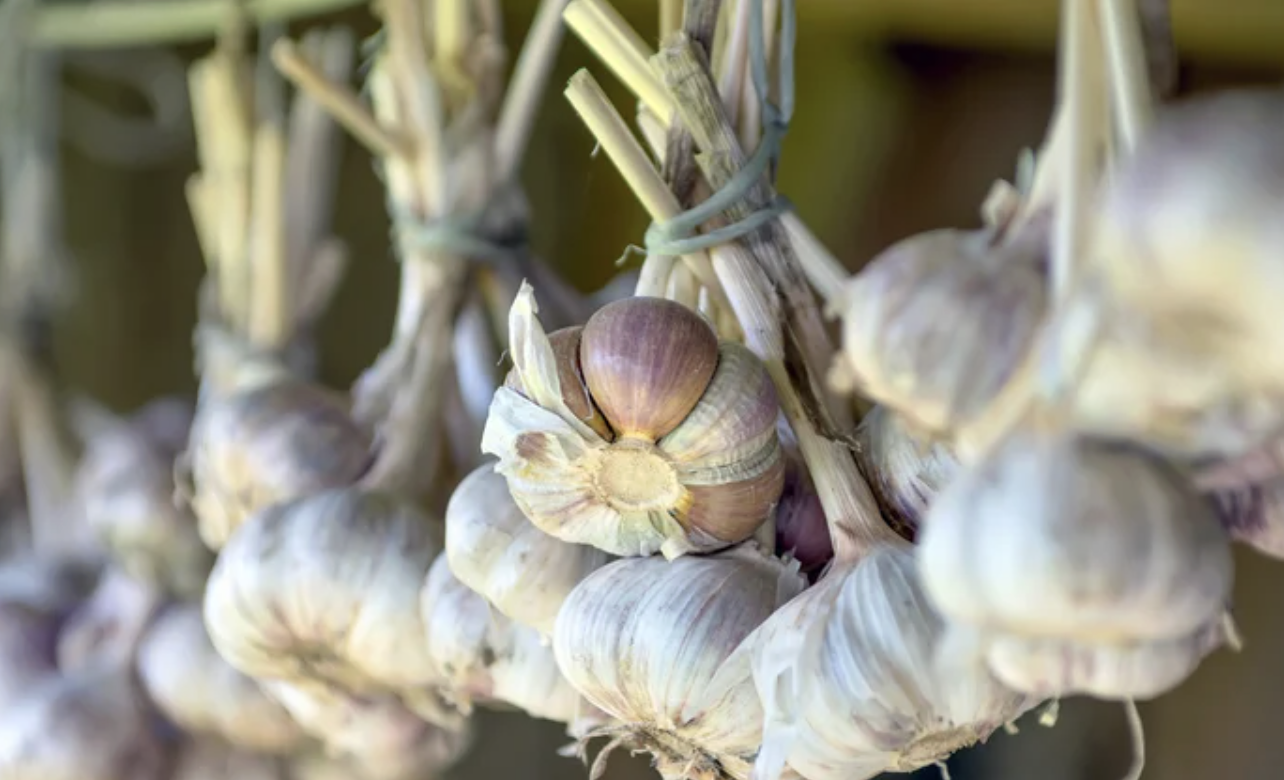 |
Garlic is a familiar spice in Vietnamese kitchens. *Tasting Table* |
Discarding green garlic
Many people fear that garlic turning green when pickled in vinegar or dipping sauce is toxic. In reality, this is a natural reaction between sulfur compounds in garlic and acids or minerals. It does not affect its safety or flavor at all. In northern China, jade-green "Laba garlic" is a New Year's delicacy. You can safely use it.
Always finely mincing for every dish
The way garlic is cut determines its pungency. The more its structure is broken down (minced, crushed), the more intensely sulfur compounds are released, resulting in a stronger, pungent flavor.
Instead of always using a garlic press, be flexible: Crushed garlic suits rich sauces; minced garlic is for soups and stir-fries that need a strong aroma; while thinly sliced garlic offers a mild flavor, perfect for delicate stir-fried vegetable dishes.
Not removing the garlic germ
The green germ inside an older garlic clove is not toxic, but it often has a harsher and more bitter taste than the surrounding flesh. In dishes with delicate flavors or raw sauces, the garlic germ can ruin the aftertaste. If you see a green germ, you should remove it before cooking.
Using minced garlic for grilling
Marinating grilled or pan-seared meat with finely minced garlic often leads to problems. Small garlic bits clinging to the meat's surface will directly contact the heat, burning to a crisp and becoming bitter before the meat cooks through.
The solution is to crush the garlic clove, squeeze out the juice for marinating, then discard the solids, or use garlic powder as a substitute.
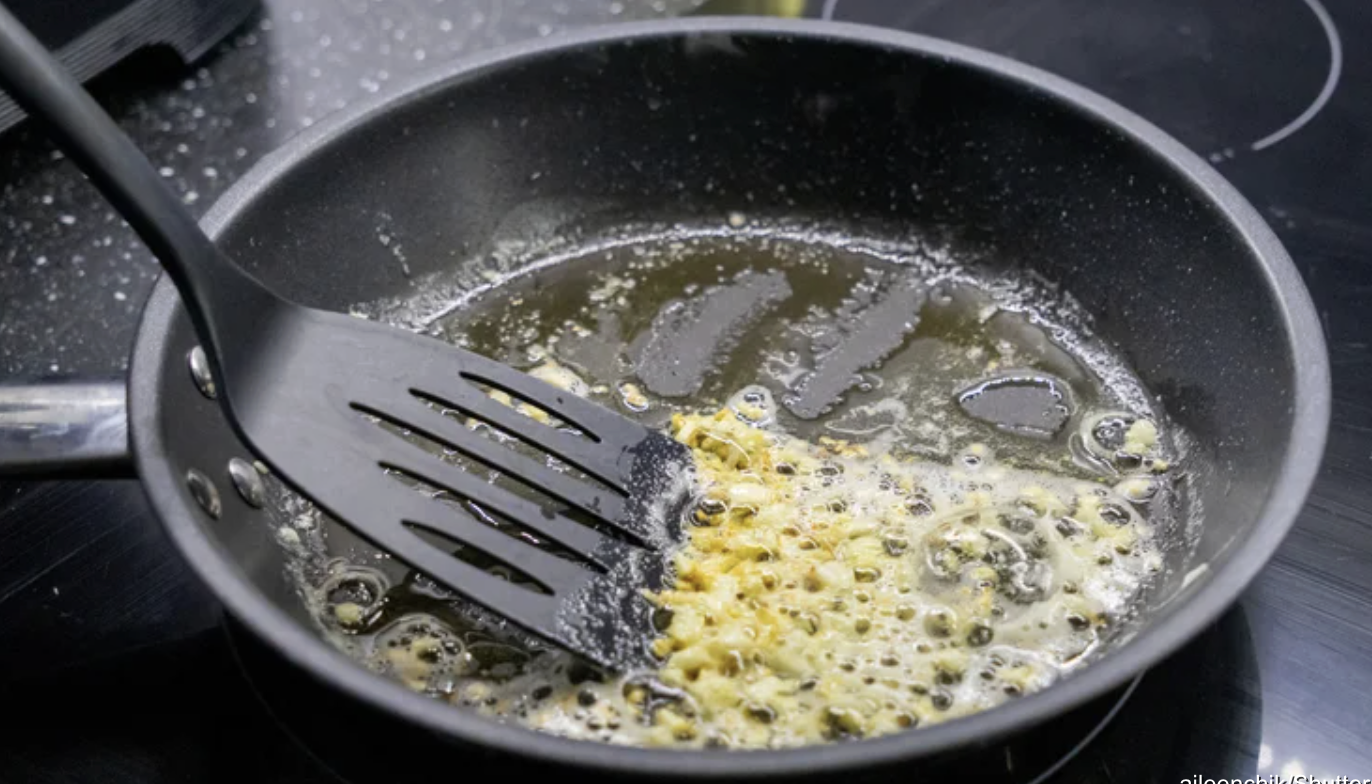 |
Garlic should be minced to a uniform size to prevent burning during cooking. *Tasting Table* |
Adding garlic to the pan too early
Sauteing garlic as soon as the oil is hot before adding other ingredients is a mistake. Garlic has low water content and high natural sugar, so it burns very quickly. When stir-fried with onions or meat, garlic will burn black before the main ingredients are cooked.
The correct procedure is to add onions or other vegetables first. Once they are almost cooked, then add the minced garlic. Garlic only needs about 30 seconds to one minute to release its perfect aroma without burning.
Sauteing garlic over high heat
When in a hurry, many people turn up the heat to quickly saute the garlic. This causes the garlic to scorch on the outside before its aroma can fully develop inside, creating a harsh, bitter taste and potentially producing unhealthy compounds.
Saute garlic over medium or low heat. Low temperatures allow the sugars in the garlic to caramelize slowly, turning a golden-brown and developing a distinctive sweet, fragrant taste.
Bao Nhien (*Tasting Table*)