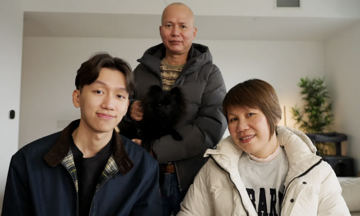
On 14/10, Jiang from Duong Pho district, Shanghai, took sick leave due to dizziness. When colleagues checked on her at home, they found her in critical condition. Doctors diagnosed a brain hemorrhage, requiring immediate surgery.
Surgery required a family member's consent. However, Jiang was an only child, her parents having passed away years ago. Her aunt, living over 2,000 km away, had also recently died. The only distant blood relative in her contact list was Wu, the grandson of her paternal grandmother's younger brother. They were distant relatives and rarely met.
Upon receiving the news, Wu rushed to the hospital to sign the forms, with his company advancing 30,000 yuan for medical expenses. The surgery saved Jiang's life, but she fell into a deep coma, requiring a ventilator to sustain her.
By 11/11, hospital bills exceeded 210,000 yuan, increasing by 5,000 to 10,000 yuan daily. Even with his dedication, Wu could not bear the financial burden.
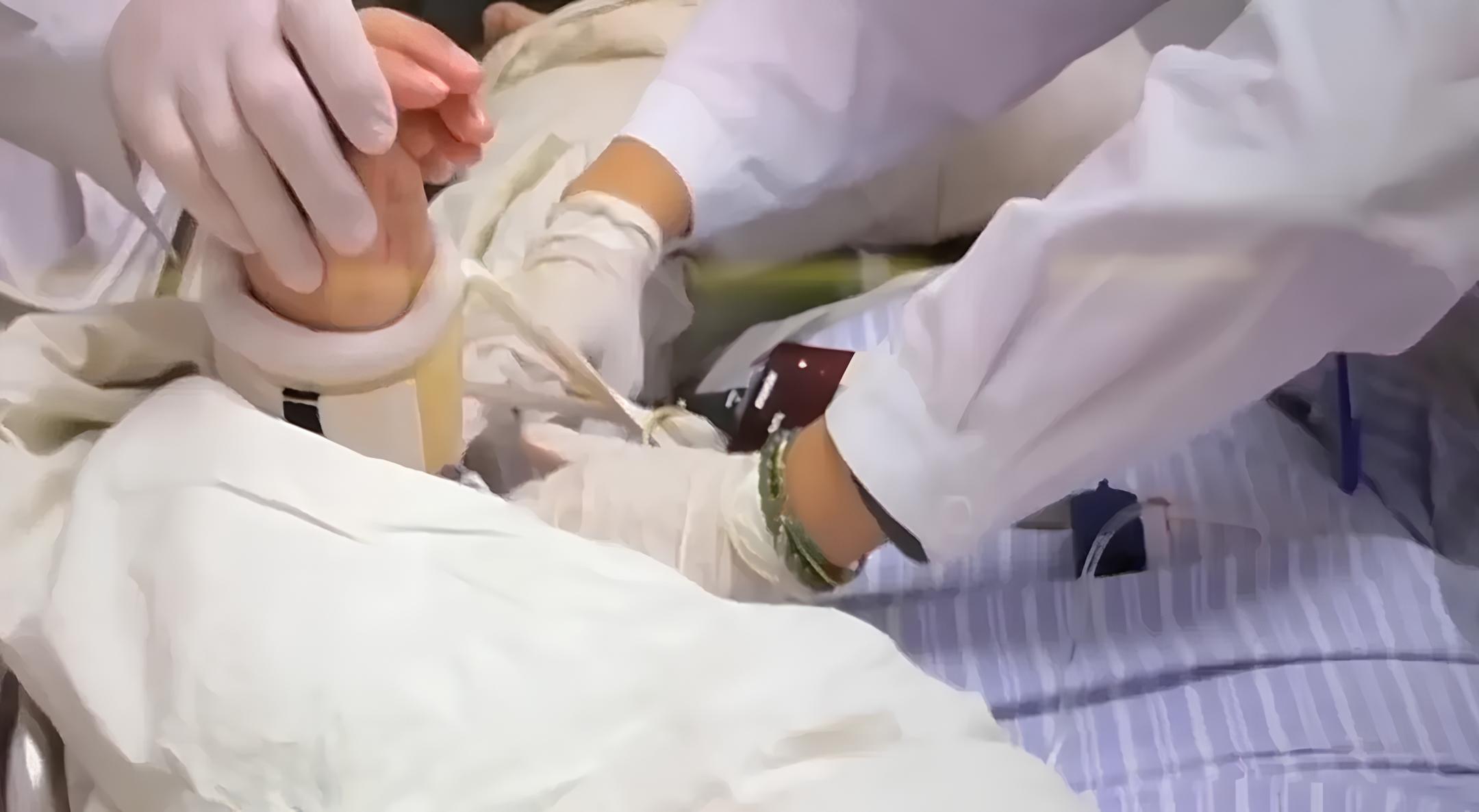 |
Jiang is currently in the ICU at Tan Hoa Hospital. Photo: QQ |
Jiang is currently in the ICU at Tan Hoa Hospital. Photo: QQ
Jiang owned a home, had savings, and insurance worth millions of yuan. However, when Wu presented documents to the bank and insurance company to withdraw funds for her care, he was denied, as he was neither the account holder nor her legal guardian.
Wu sought a "no next of kin" certificate from the police but was refused. The only recourse was to petition the court to declare Jiang legally incapacitated and appoint a guardian, a process that would take up to six months.
"She prepared her savings and insurance for a secure later life. Yet, she never imagined money couldn't save her life simply due to a missing signature", he stated.
Fortunately, after media attention, the local resident committee stepped in to act as guarantor. Jiang is now out of critical danger, but her recovery and legal issues regarding her assets remain complex.
Jiang's story resonated across Chinese social media, serving as a stark warning about the growing trend of single living.
Many young, modern individuals believe: "Being single is fine; with money, you can just enter a high-end nursing home." However, harsh reality proves: Money only offers security when you are conscious. Once incapacitated, your money is no longer yours, becoming dependent on the guardian's conscience or legal intervention.
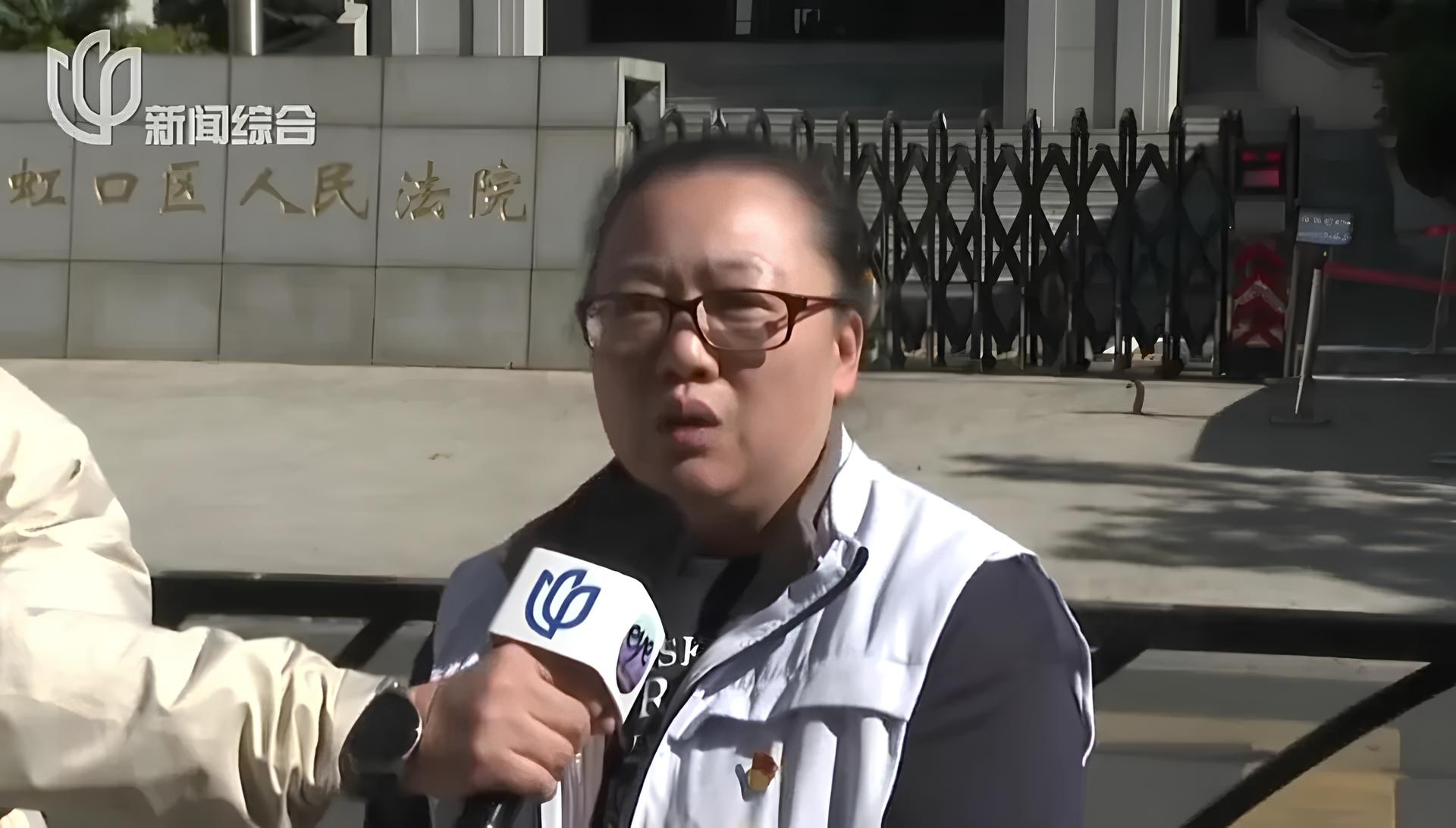 |
The Party Secretary of the Post Office residential area branch, Duong Pho district, stated they would act as guarantor for Jiang. Photo: QQ |
The Party Secretary of the Post Office residential area branch, Duong Pho district, stated they would act as guarantor for Jiang. Photo: QQ
Taiwanese star Luo Peiying was known for her view against marriage. She planned to sell her real estate in her 70s to enjoy life and hire servants. Tragically, in August 2020, she was found deceased at her home, two days after her passing. Her life ended at 59.
Renowned philanthropist Ly Xuan Binh, who once donated an average of 70,000 yuan daily, suffered from Alzheimer's in his later years. Without a wife or children, his vast fortune was exploited and manipulated by his caregivers and others. Media reports revealed he was forced to take sleeping pills daily, enduring a desolate old age and dying alone last October.
Lawyers advise that for those choosing a single or DINK (dual income, no kids) lifestyle, financial preparation is insufficient. They need to establish an "advance care directive." This legal document pre-designates a guardian (who can be a friend, lawyer, or social organization) in case of incapacitation.
"Solitude may be a choice, but life requires more comprehensive assurance. True freedom is not about doing whatever you want, but about being able to calmly face any situation", a lawyer remarked.
Bao Nhien (According to QQ/Aboluowang)