Chef Vu Nhat Thong, founder of Eric Vu Cooking Class, explains that each type of paper has distinct characteristics, serving different culinary purposes.
Aluminum foil: high heat resistance, good moisture retention
Aluminum foil, a super-thin sheet of aluminum metal, is commonly used when baking or roasting food. Home cooks often line baking trays with foil to reflect heat, helping food cook faster, while also catching excess grease to keep the tray clean.
This material is most effective when used to line trays for roasting large cuts of meat or whole poultry like chicken and duck.
For steaming or braising in the oven, tightly wrapping food in aluminum foil creates a sealed, circulating steam environment. Foil is particularly useful for dishes such as steamed fish with soy sauce. Encasing fish with ginger, green onions, and sauce in foil before baking allows the fish to absorb flavors deeply, resulting in tender, moist flesh cooked by its own internal steam.
Aluminum foil also serves as a "shield" to cover areas prone to burning, such as pie crust edges or chicken breasts, in the oven, slowing down heat absorption in those spots.
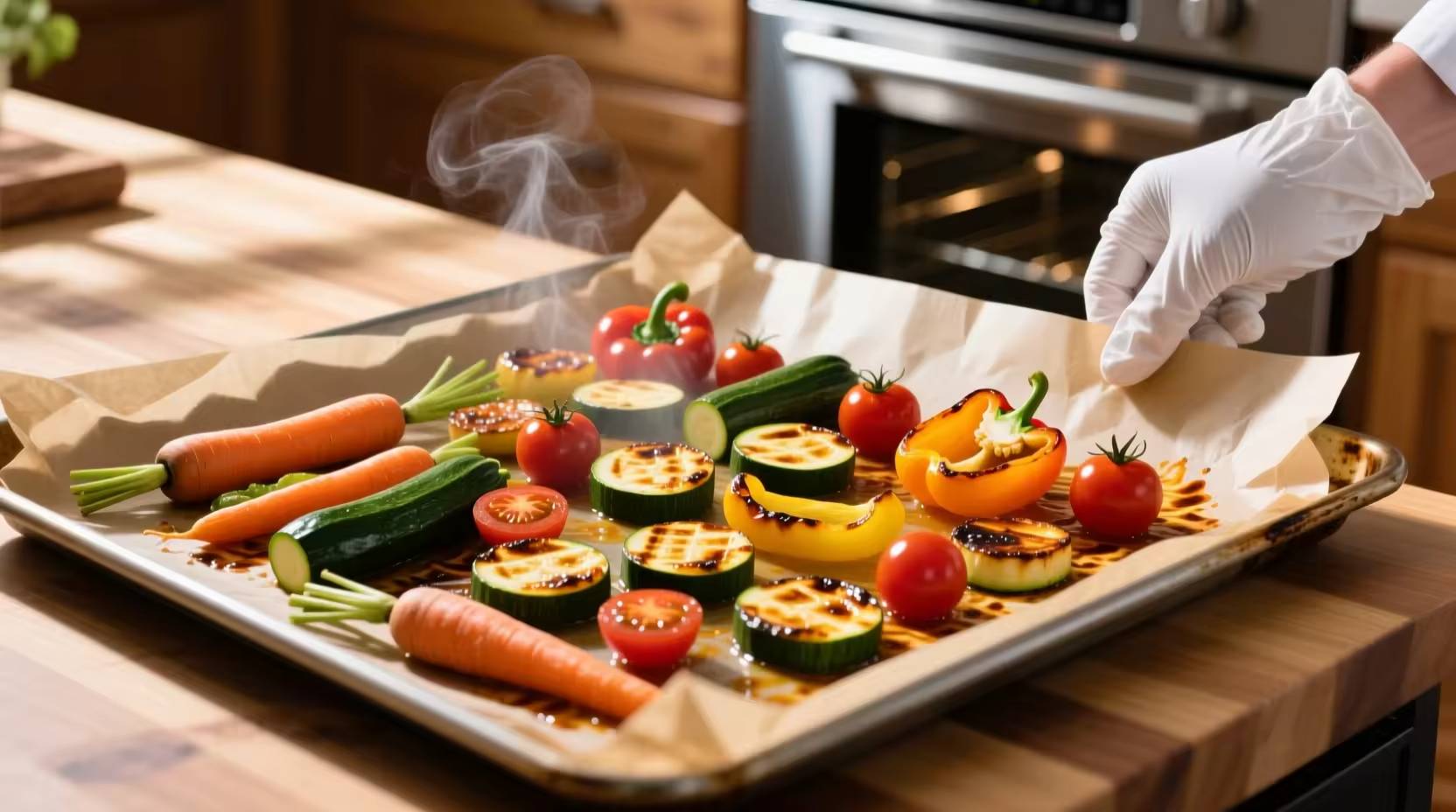 |
Illustration: Lifetips
Parchment paper: optimal non-stick properties
Unlike aluminum foil, parchment paper is made from cellulose fibers coated with a super-thin layer of silicone. This silicone layer provides nearly absolute water-repellent and non-stick properties.
Parchment paper is an indispensable material in baking, preventing cakes from sticking to the bottom of the pan and ensuring an evenly golden crust.
Parchment paper is also ideal for roasting sliced vegetables to achieve crispiness. Culinary experts' tests show that the shiny surface of aluminum foil reflects heat and traps moisture, causing vegetables to stick and become soggy (due to steaming). Conversely, the porous surface of parchment paper allows steam to gradually escape, maintaining stable heat transfer that accelerates the caramelization process.
Additionally, perforated parchment paper is often used to line air fryers or steamers, preventing saucy dishes, steamed buns, and dumplings from sticking and tearing when removed. However, parchment paper does not conduct heat as well as metal and can ignite if the temperature exceeds its limit, typically above 220 degrees C.
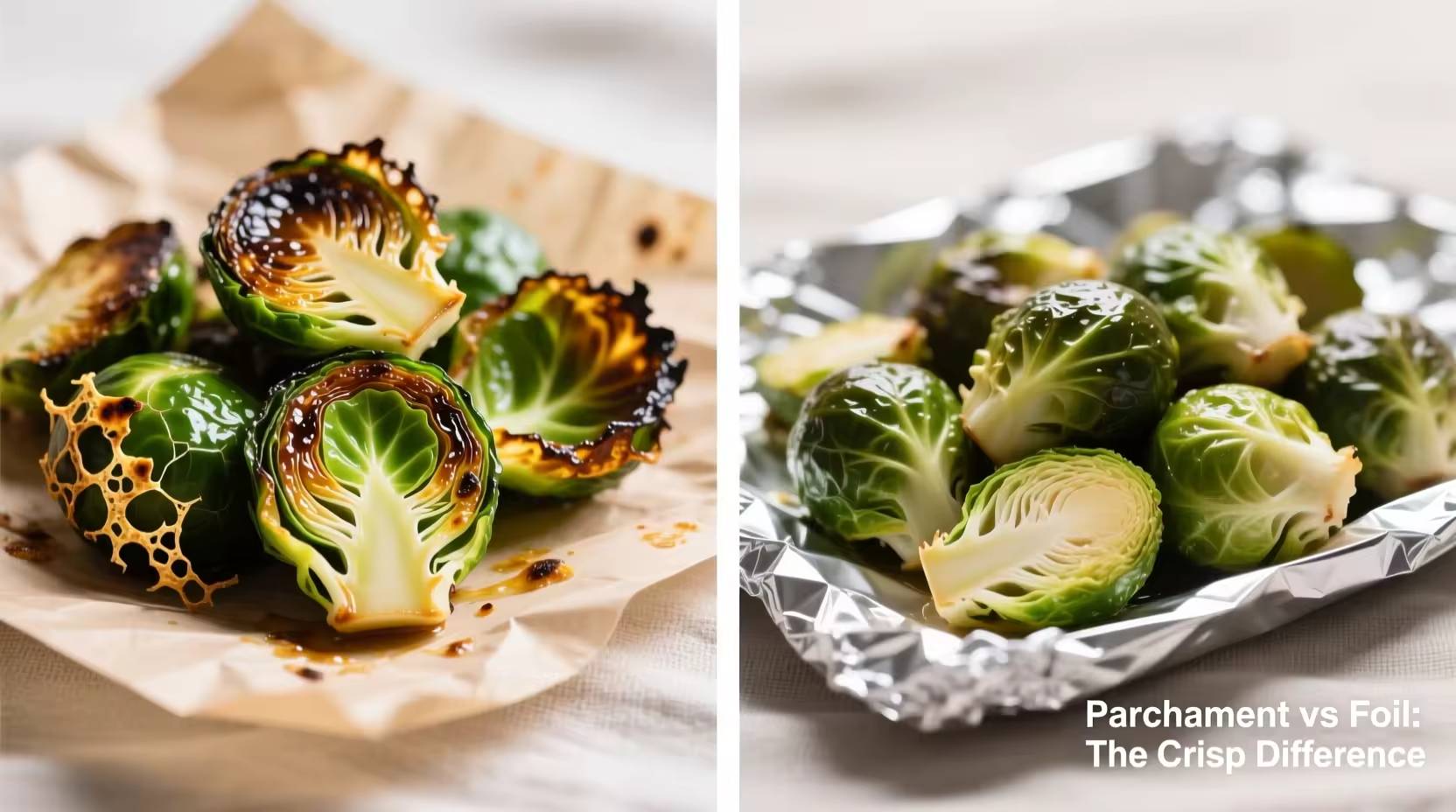 |
Photo: Lifetips
Crucial safety warnings
According to food chemistry experts, to ensure health and kitchen equipment safety, users must strictly adhere to three rules:
First, do not use aluminum foil to wrap acidic foods such as lemons, vinegar, or tomatoes. The acidic environment can cause a chemical reaction that dissolves aluminum, imparting a metallic taste to food and potentially harming health with long-term consumption. For instance, wrapping lemon chicken in foil for roasting can lead to a small amount of dissolved aluminum, resulting in an unpleasant metallic flavor in the dish.
Second, do not place aluminum foil in a microwave oven. Being metal, aluminum foil reflects microwaves, causing sparks and leading to potential fire or explosion within the oven.
Third, do not allow parchment paper to directly contact an open flame or the heating elements of an oven. Although it withstands relatively high temperatures, parchment paper can still ignite if used under broiler settings at excessive temperatures.
Bao Nhien