The Department of Dyke Management and Disaster Prevention reported that rain, hail, thunderstorms, whirlwinds, and lightning on 29-30/3 resulted in six fatalities. These included lightning strikes in Tuyen Quang and Son La, as well as victims who died after their boats overturned during whirlwinds on the sea, rivers, and lakes. Additionally, nine people were injured.
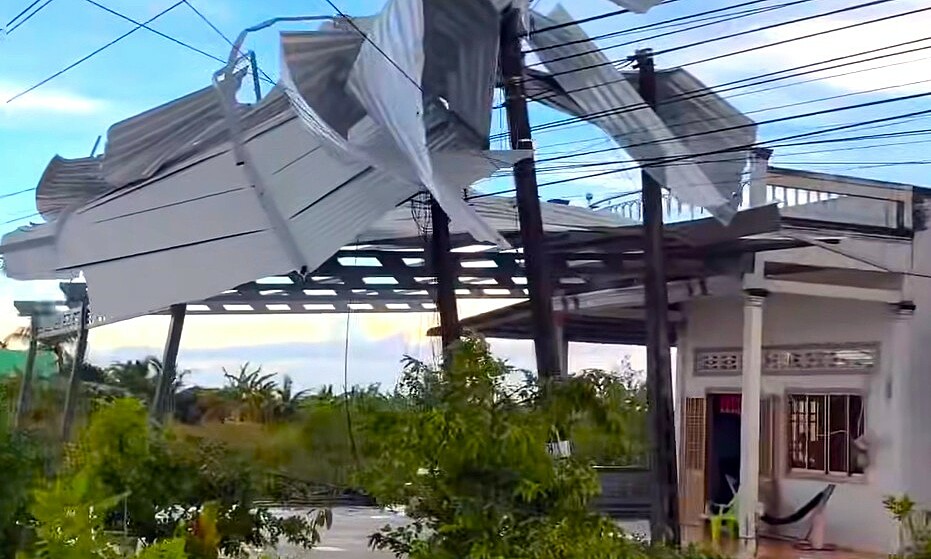
The natural disasters also destroyed 13 homes and damaged over 6,500 others, with roofs ripped off. Hundreds of public structures, schools, and cultural centers were affected, and hundreds of hectares of crops and plants sustained damage.
Beyond significant property losses, these incidents underscore a rising risk to human life, particularly as many victims were outdoors or on rivers, lakes, and the sea precisely when the whirlwinds struck.
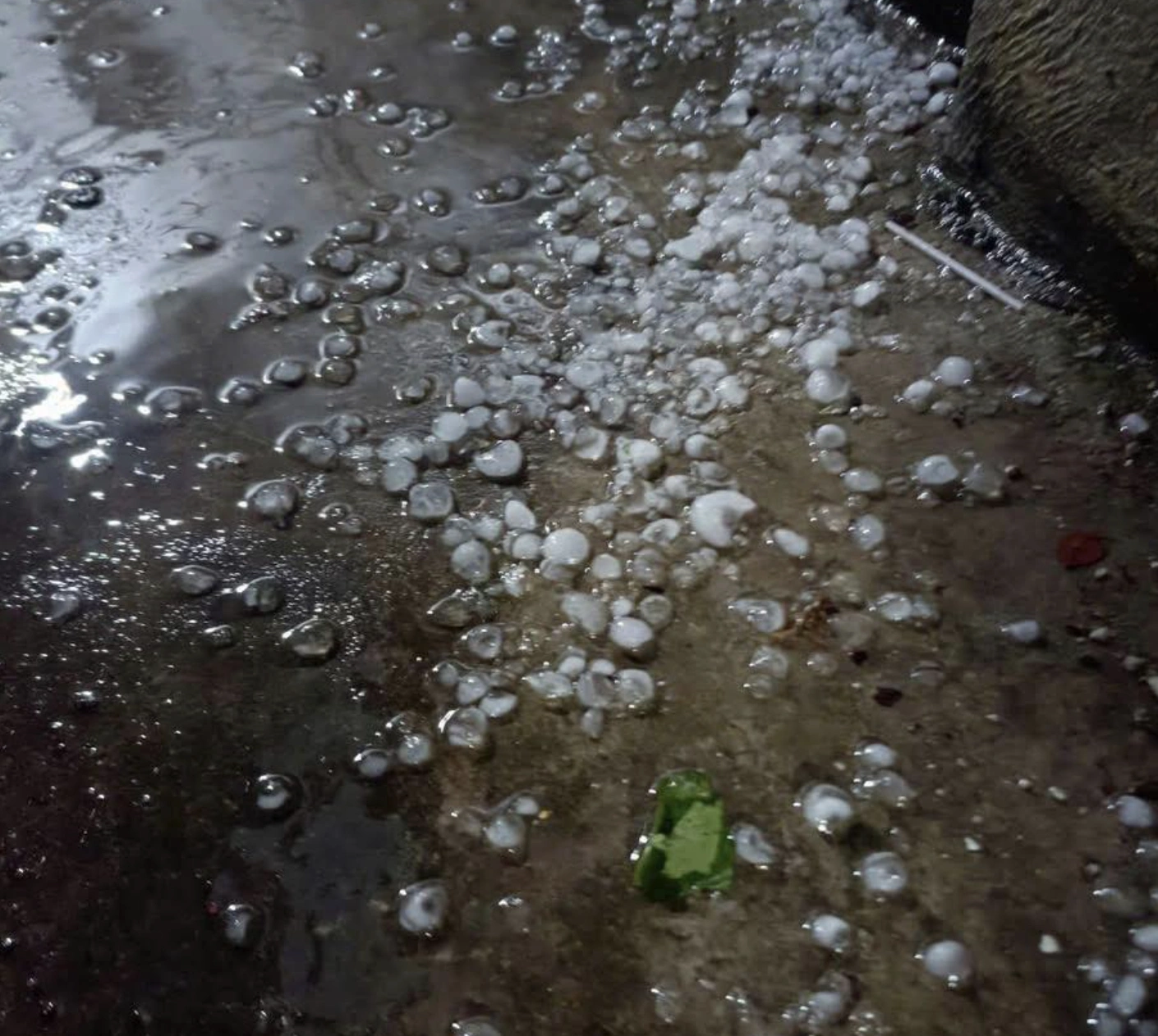 |
Hail in Hanoi on the morning of 30/3. Photo: Nguyen Linh |
According to Dr. Truong Ba Kien, Deputy Director of the Climate Research Center (Institute of Meteorology, Hydrology, Environment and Sea Science), the current intense thunderstorms are caused by the interaction between late-season cold air and rapidly rising temperatures before summer.
"Cold air masses are still active, while the ground surface heats up significantly, creating highly unstable convective zones. When combined with high humidity, thunderstorm clouds can develop rapidly in a short time, causing strong gusts, lightning, and hail," Kien explained.
He noted that transitional thunderstorms often appear suddenly in the late afternoon or evening after hot days. They are typically localized but intense, catching residents off guard.
The Department of Meteorology and Hydrology states that current forecasting systems can provide warnings for thunderstorms, whirlwinds, lightning, and hail between 30 minutes and 3 hours in advance, with an accuracy of 70% to 90%. However, due to their small scale and rapid changes, these phenomena remain challenging to predict in detail for specific locations.
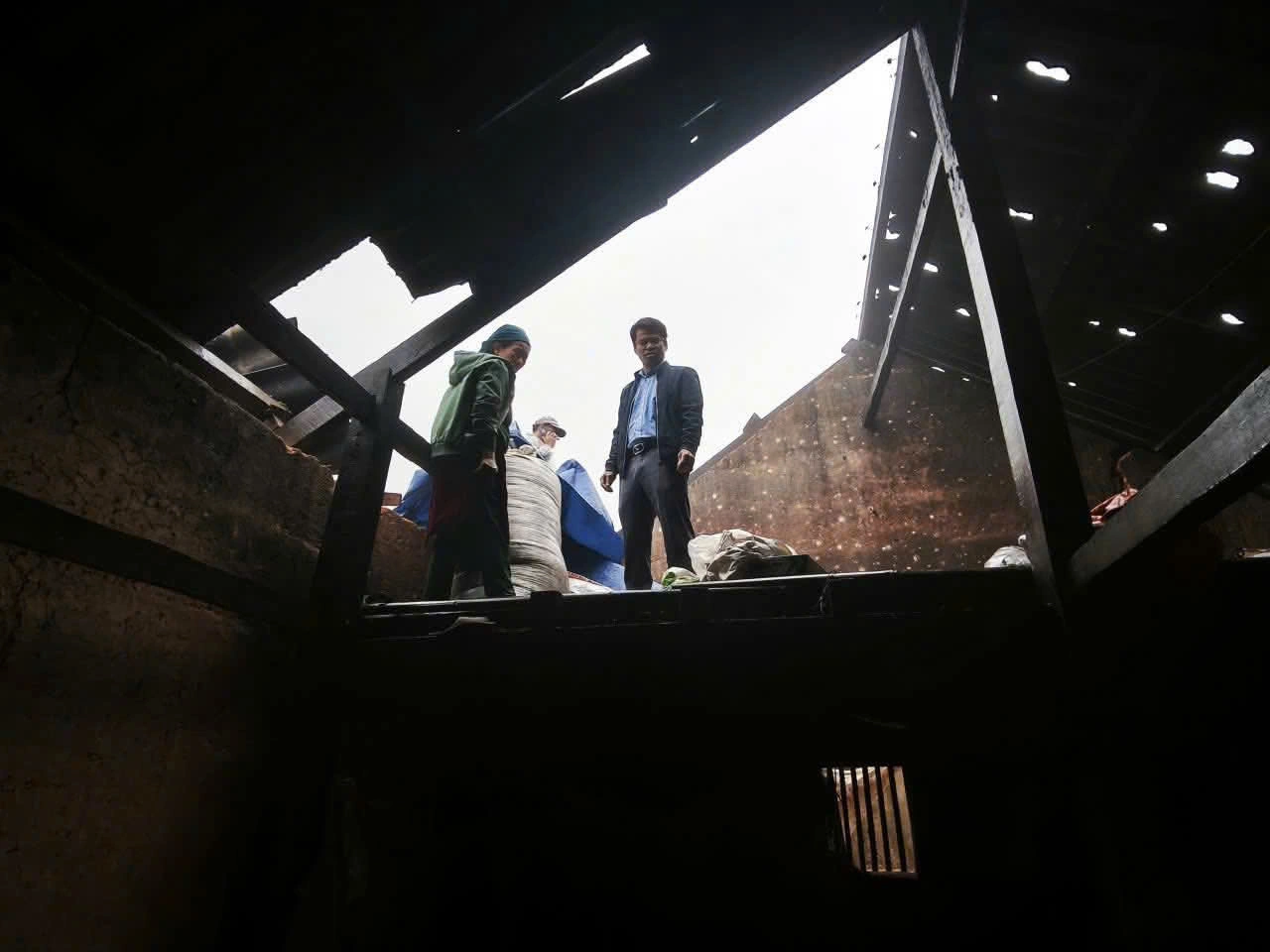 |
Hail and whirlwinds caused damage in Tuyen Quang on 23/3. Photo: Tuyen Quang |
In practice, even with modern models, short-term heavy rain forecasts have limited accuracy, reaching only about 15% to 20% for thresholds above 50 mm in 24 hours. This explains why many intense thunderstorms still cause damage despite prior warnings.
Proactive measures to avoid becoming a victim
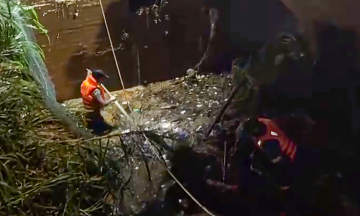
One typical incident occurred in Tuyen Quang on the evening of 29/3. According to the provincial police, around 22:00, a man, his wife, and their 14-year-old son went to the Chiem Hoa hydropower lake (Gam River) to cast nets. While they were in the middle of the lake, a sudden whirlwind erupted, and strong winds overturned their boat. The son managed to swim ashore, but both parents died.
Based on recent incidents, experts specifically warn of the dangers when near rivers, lakes, or the sea during whirlwinds. Strong gusts can create large waves, overturning small vessels, while lightning is prone to strike water surfaces or open areas.
"People should absolutely not be outdoors or venture into river, lake, or sea areas at the first sign of a thunderstorm, even if it has not started raining," Kien advised.
The Department of Dyke Management and Disaster Prevention (Ministry of Agriculture and Environment) warns that to minimize risks, residents must take proactive precautions early. Homes, especially corrugated iron roofs, billboards, and temporary structures, should be reinforced. Surrounding trees should be trimmed to prevent breakage, and electrical systems must be checked for safety.
When a whirlwind or thunderstorm occurs, stay inside sturdy buildings, close all doors and windows, and keep away from windows and objects easily carried by the wind. Do not shelter under large trees, utility poles, or stand in open areas. Limit the use of electrical appliances and disconnect power when not necessary to prevent lightning-related incidents.
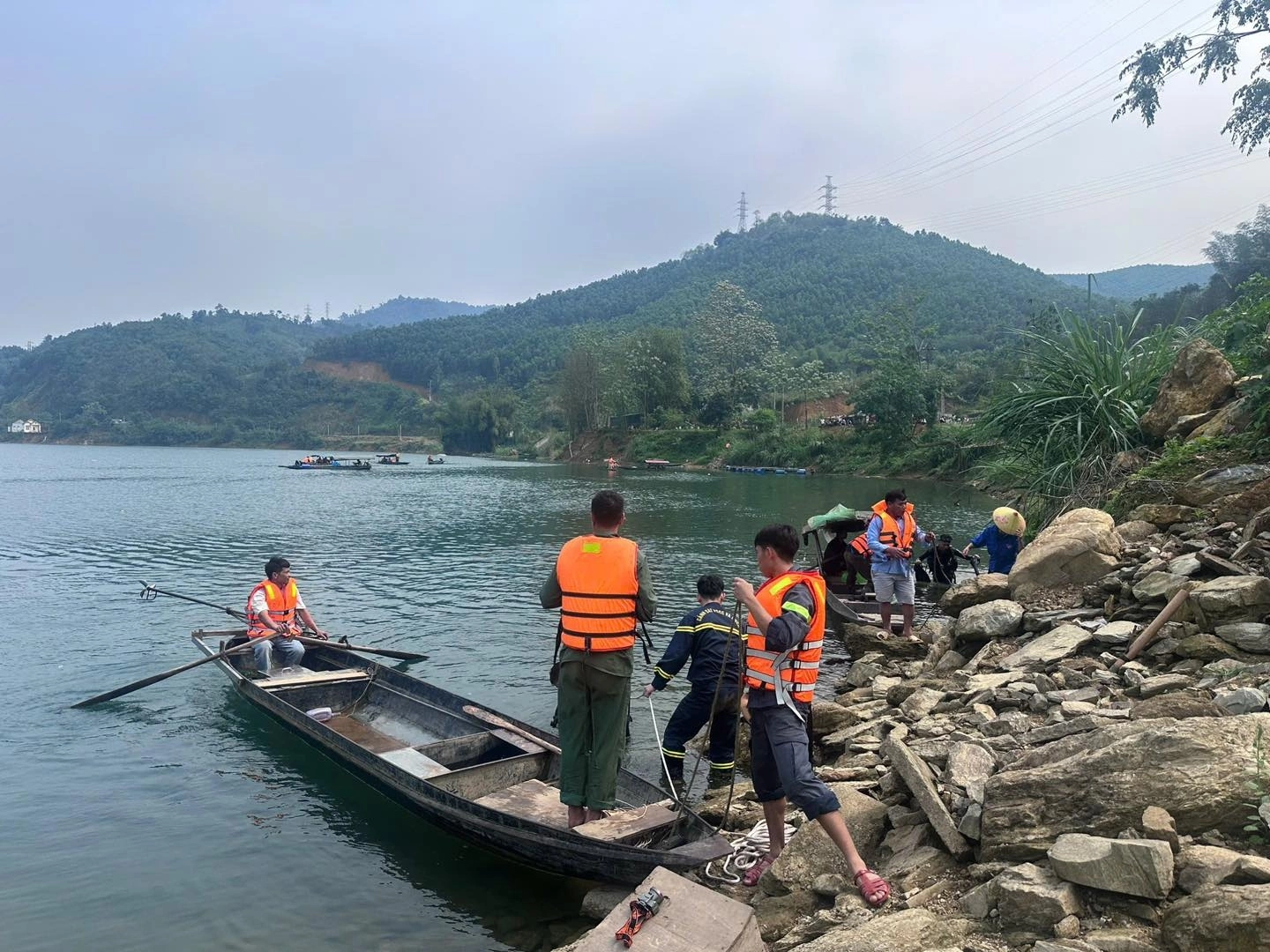 |
Police search for victims of the boat capsizing in Tuyen Quang on the evening of 29/3. Photo: Tuyen Quang Provincial Police |
In the event of hail, quickly find sturdy shelter, prioritizing personal safety. Avoid standing under weak corrugated iron roofs or temporary structures. If outdoors, seek a low-lying position, stay away from metal objects, and dangerous areas.
After a natural disaster, check electrical systems before use, and be wary of broken power lines, fallen trees, and areas at risk of landslides or deep flooding.
According to Dr. Truong Ba Kien, in the context of climate change, extreme weather events are not only increasing in intensity but also becoming more challenging to predict. "What was previously considered a pattern can change, occurring with greater intensity and unpredictability," he stated.
Experts emphasize that early proactive measures are the most effective way to mitigate damage in increasingly unpredictable transitional weather conditions.
Gia Chinh
Whirlwinds overturn boats, four dead
Whirlwinds knock down motorbikes, trees on roads in Lao Cai
Roofs ripped off after whirlwinds in Tuyen Quang, Lao Cai