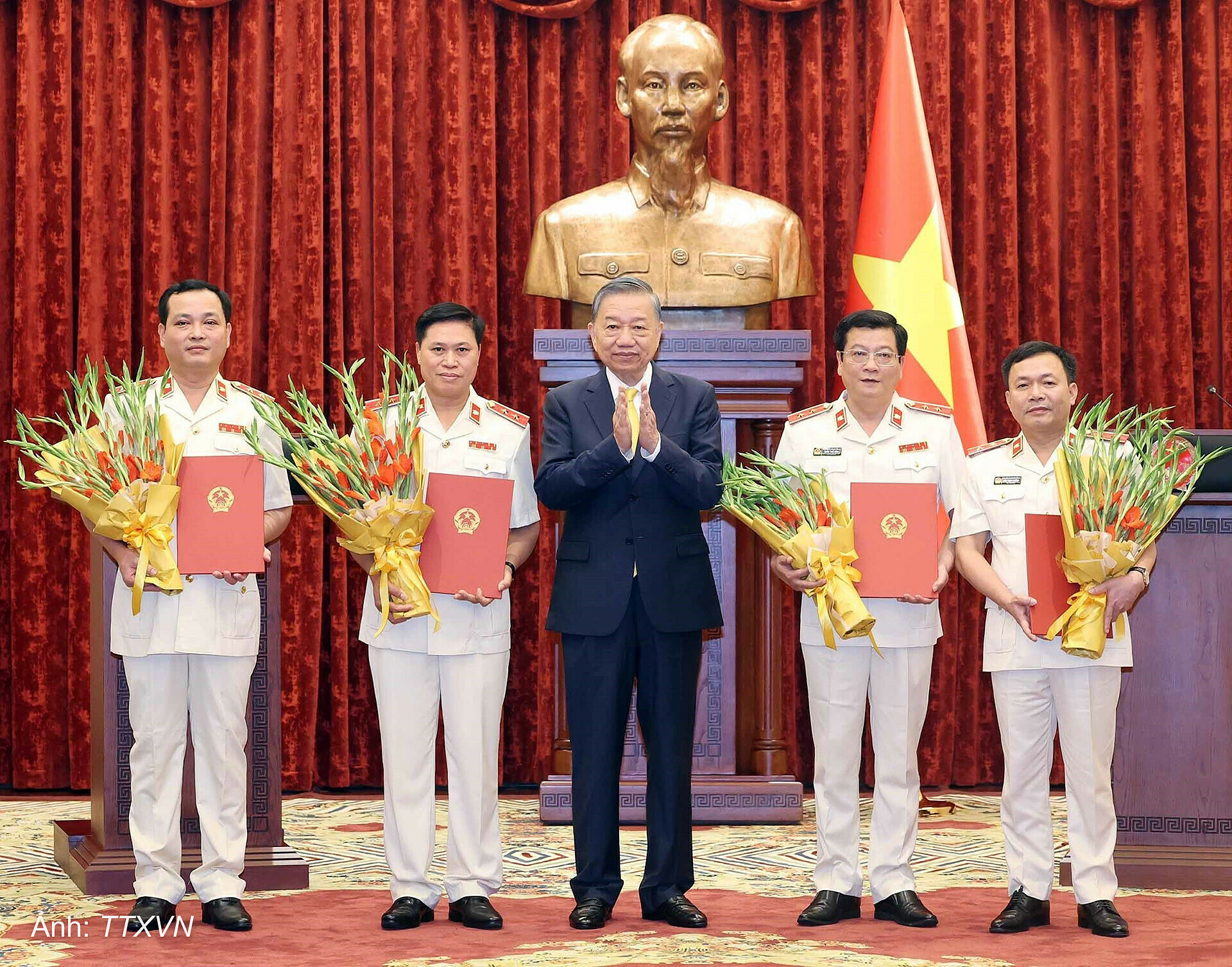
On the afternoon of 25/8, General Secretary and President To Lam met with the Government Party Committee and relevant agencies to discuss social security policies. He outlined an ambitious goal: by 2030, Vietnam aims to establish a fundamental, multi-layered, inclusive, and digitized social security system, guaranteeing a minimum standard of living for all citizens. Looking further ahead to 2045, the system is expected to align with developed nations' benchmarks, offering quality services, sustainable financing, transparent governance, and rapid risk response capabilities.
This minimum social security floor is designed to ensure citizens receive essential medical care, a basic income, and opportunities for personal development. Specific provisions include academic support for children; assistance for working-age individuals facing job loss, livelihood disruption, maternity, accidents, or disabilities; and essential care and income for the elderly.
General Secretary and President To Lam emphasized that social security policies must acknowledge the intricate relationships within families and across generations. Parents' employment and income directly influence their children's living conditions, care, and education. Similarly, the health and well-being of the elderly impact the entire family unit. Consequently, policy effectiveness should be measured by the benefits delivered to individuals, the long-term sustainability of families, and the prospects for future generations.
The principle of "leaving no one behind" must be translated into tangible, verifiable outcomes. This means preventing citizens from falling below the minimum living standard without intervention, ensuring children do not abandon school due to poverty, providing caregivers for individuals with severe disabilities, and delivering prompt assistance to families impacted by natural disasters.
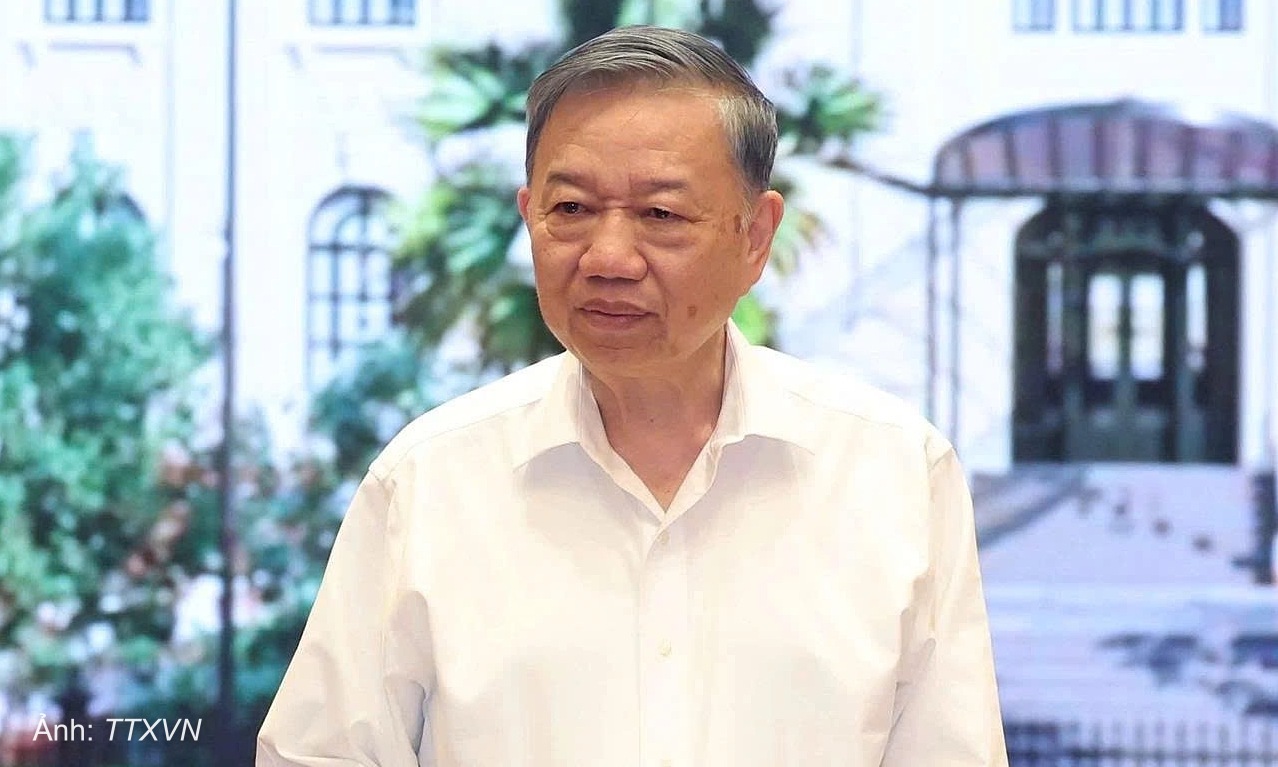 |
General Secretary and President To Lam meets with the Government Party Committee to discuss social security policies on the afternoon of 25/8. *Photo: VNA*
The General Secretary and President urged the government to expedite the creation of a National Social Security Database. This database would integrate with existing population, insurance, tax, employment, health, education, housing, and natural disaster data, all while strictly upholding information security, safety, and individual privacy.
Each citizen will possess a life-cycle social security profile, allowing for a comprehensive assessment of every family's circumstances and support needs. Overlapping programs are to be reviewed, merged, streamlined, and standardized to improve efficiency. However, flexibility will remain for local authorities to address unique challenges.
Social insurance coverage must expand in tandem with the development of an inclusive labor market. Insurance packages require flexibility in contribution levels, periods, and participation methods, coupled with policies supporting low-income earners. Vulnerable, disadvantaged individuals facing difficult circumstances should receive employment referrals. Furthermore, families with elderly members or individuals with disabilities will be considered for livelihood support, with a priority on low-interest loans to foster job creation and increase income.
Agencies must prioritize children living apart from their parents and being raised by grandparents, as well as families with multiple dependents. The aim is to prevent the hardships of one generation from becoming a disadvantage for the next. Additionally, some localities may explore piloting long-term care insurance.
The General Secretary and President also guided the formulation of a national strategy for the care economy. This strategy will integrate healthcare, rehabilitation, social work, and care provided within families and communities. It calls for the expansion of networks for day care, temporary care, disability assistance, palliative care, and mental health support. Furthermore, social housing models for single, lonely, and homeless elderly individuals must be developed to ensure they are not forced to live in temporary or dilapidated dwellings.
Individuals with disabilities must be granted improved access to public facilities, transportation, education, healthcare, and digital services. Concurrently, the social security system must bolster its capacity to adapt to natural disasters, epidemics, and the ongoing green transition.
Each locality is tasked with developing risk maps, compiling lists of vulnerable households, and preparing comprehensive support plans. In the event of natural disasters, data, budgets, and payment systems must be activated immediately. This aims to reduce support delivery times from several weeks to just a few days for eligible cases.
Development programs, land acquisition initiatives, and production restructuring efforts must carefully consider citizens' employment, income, and livelihoods. These programs should incorporate plans for retraining, relocation assistance, unemployment insurance, and local job creation. "We must not allow the poor and vulnerable workers to bear the disadvantages of the development process," stated the General Secretary and President, reiterating the objective that every Vietnamese citizen, irrespective of their location or circumstances, should be protected from risks, have access to essential services, and be afforded opportunities for development.
Vu Tuan