 |
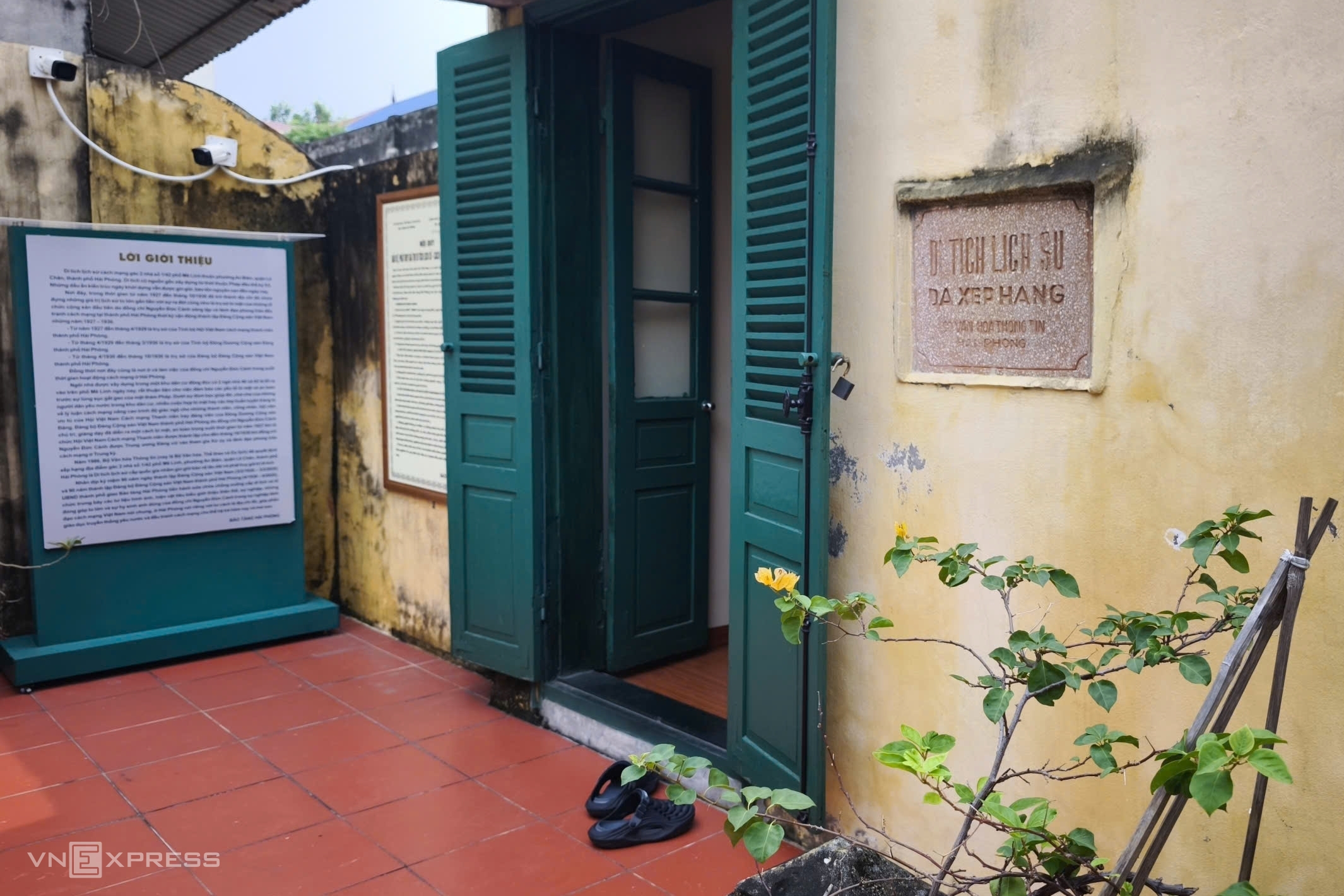
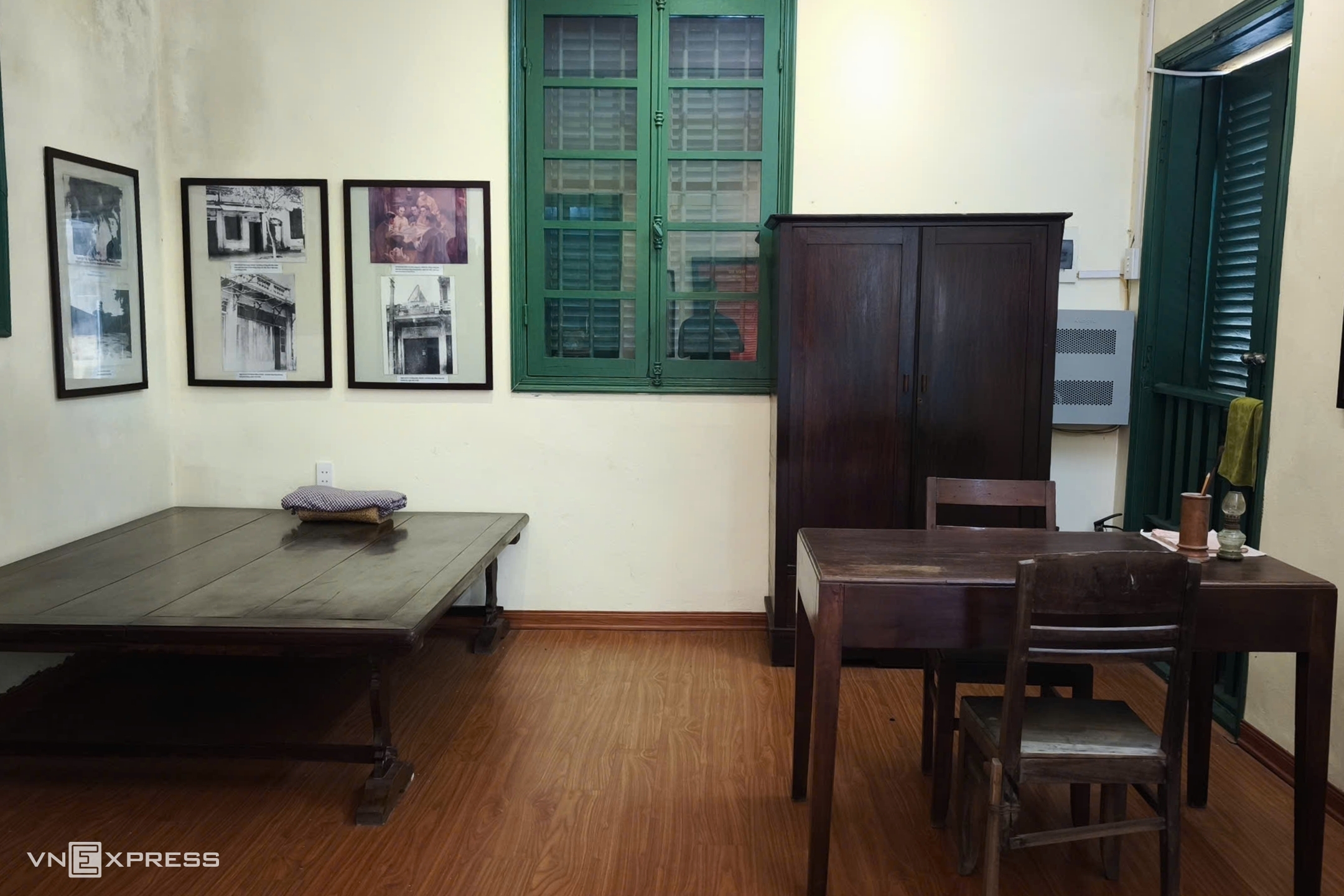
At house 1 alley 42 Me Linh street, some artifacts used by Nguyen Duc Canh, such as his desk, cabinet, and wooden bed, have been restored. The house is currently managed by the Hai Phong City Museum. |
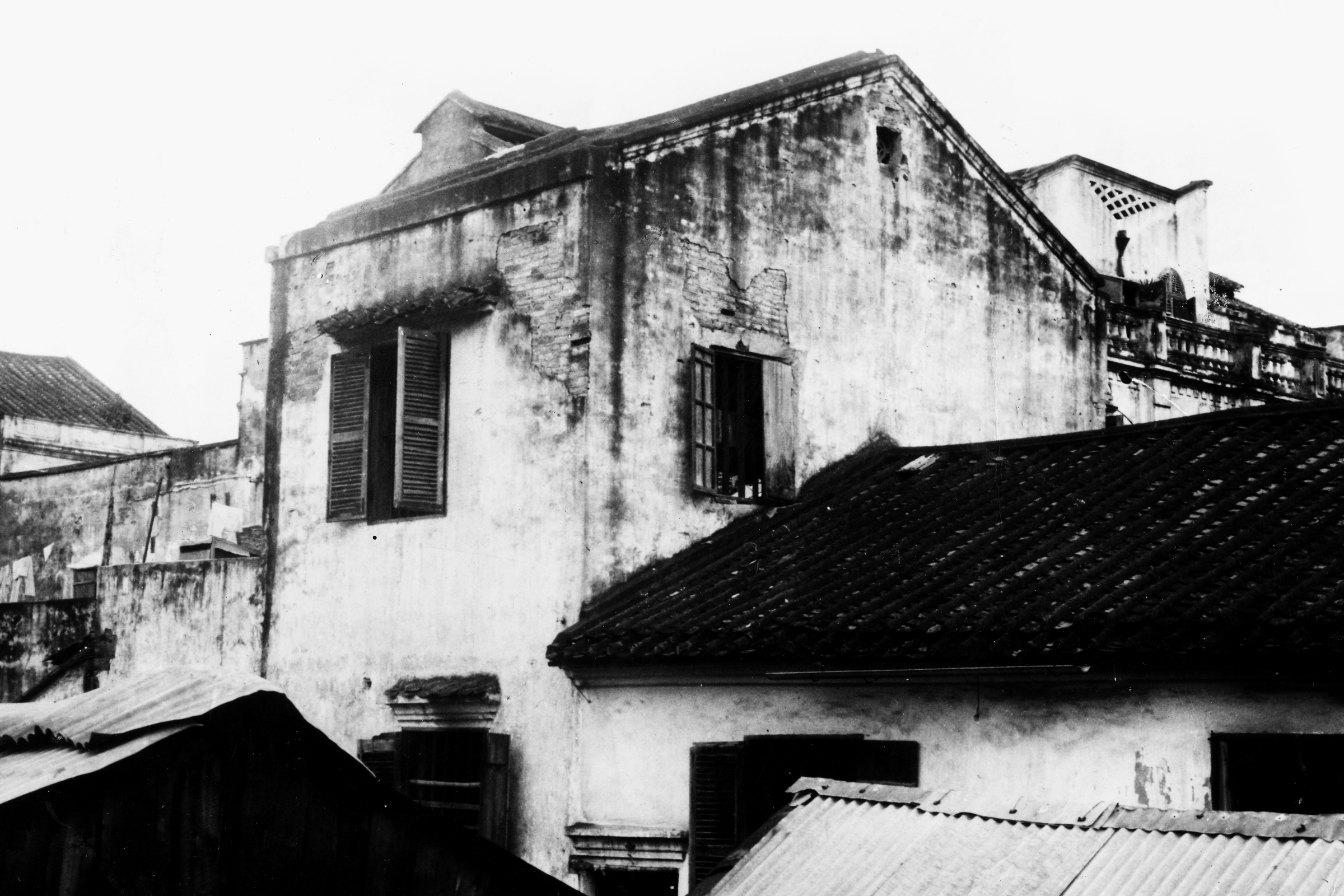 |
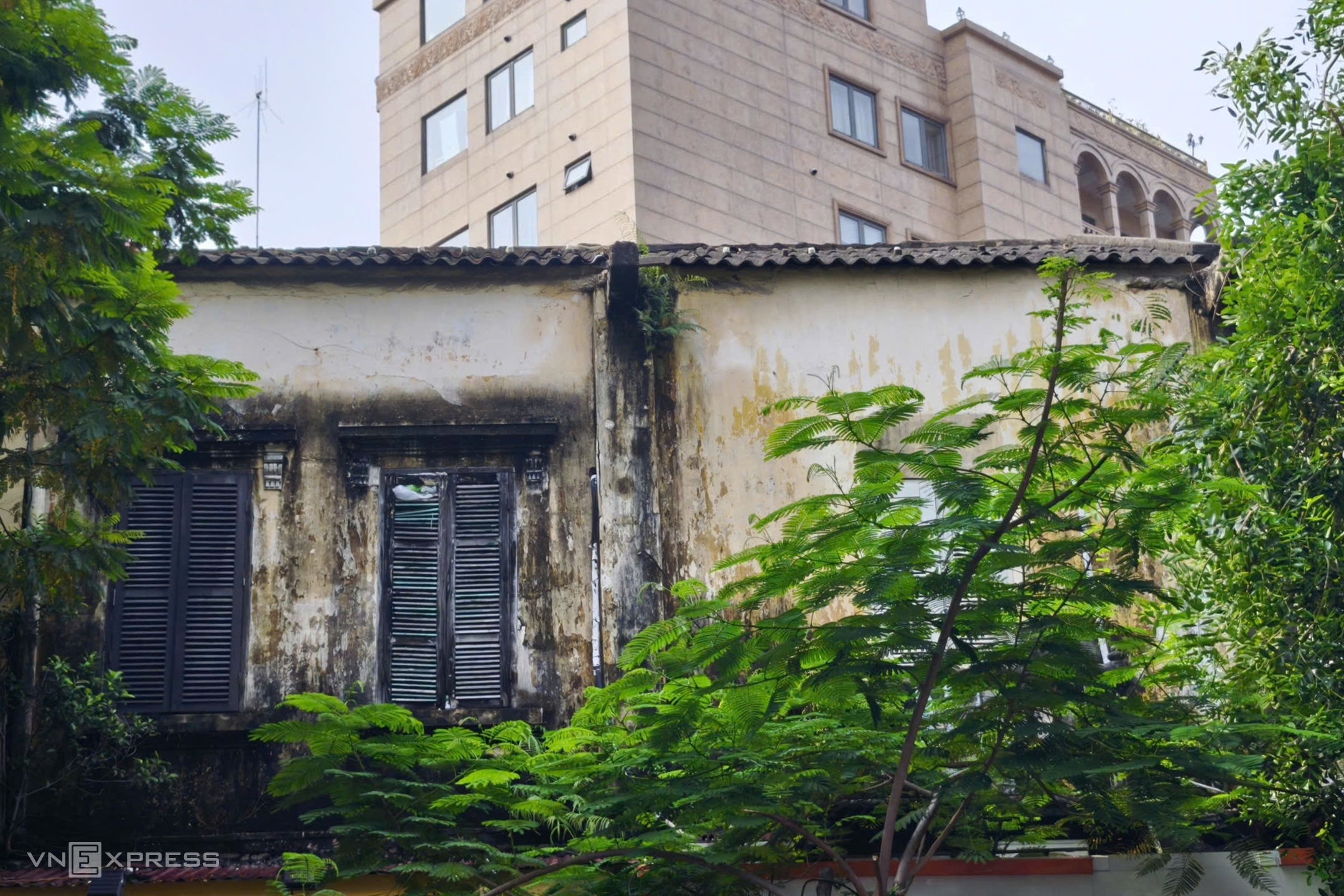
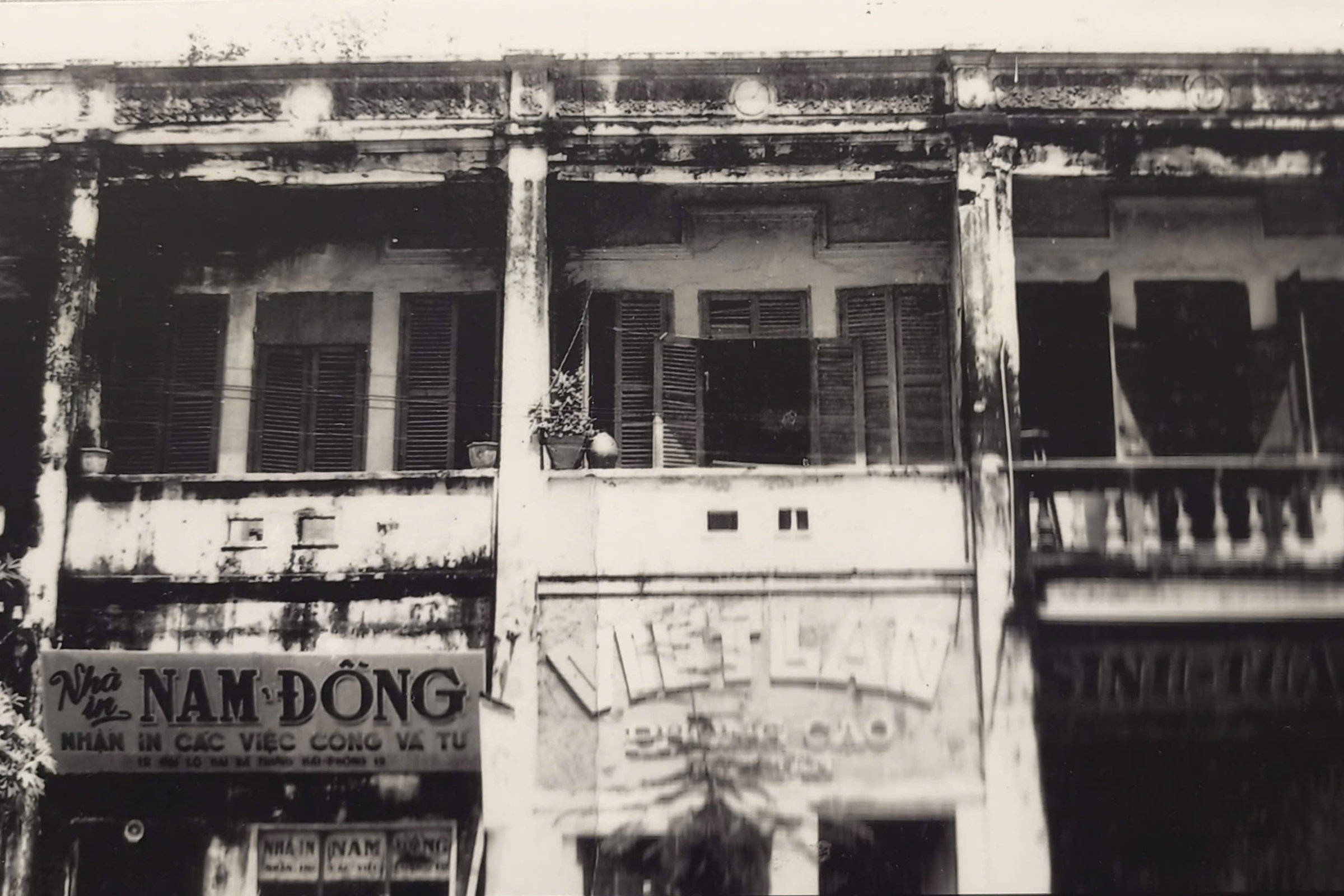
House 26 alley 186 Hai Ba Trung (formerly Tam Thuat alley) was a revolutionary base where Nguyen Duc Canh, Nguyen Luong Bang, and Ngo Gia Tu frequently resided. The house, built during the French colonial period, still retains its old architectural features and is currently privately owned. |
The second floor of house 1/42 Me Linh in An Bien ward, Le Chan district, built during the French colonial period, was a vital secret base for the revolution. From 1927 to 1929, it served as the secret headquarters of the Hai Phong Provincial Committee of the Vietnam Revolutionary Youth League. Later, from 1929 to 1930, it became the secret headquarters for the Hai Phong Provincial Committee of the Indochinese Communist Party.
This location once hosted Nguyen Duc Canh (1908-1932), a co-founder of the Communist Party of Vietnam and former Secretary of the Bac Ky Regional Committee. After attending political training organized by Nguyen Ai Quoc in Guangzhou in 9/1927, Nguyen Duc Canh returned to Vietnam to engage in revolutionary activities. He was then appointed Secretary of the Hai Phong Provincial Committee of the Vietnam Revolutionary Youth League by the Bac Ky Regional Committee.
In early 1928, Nguyen Duc Canh initiated training classes and published newspapers to raise revolutionary awareness among the masses, mobilizing them to fight against French colonial oppression and exploitation. The League's base at that time was 1 alley 42, Me Linh street. In 1989, this address was recognized as a national historical relic.
 |
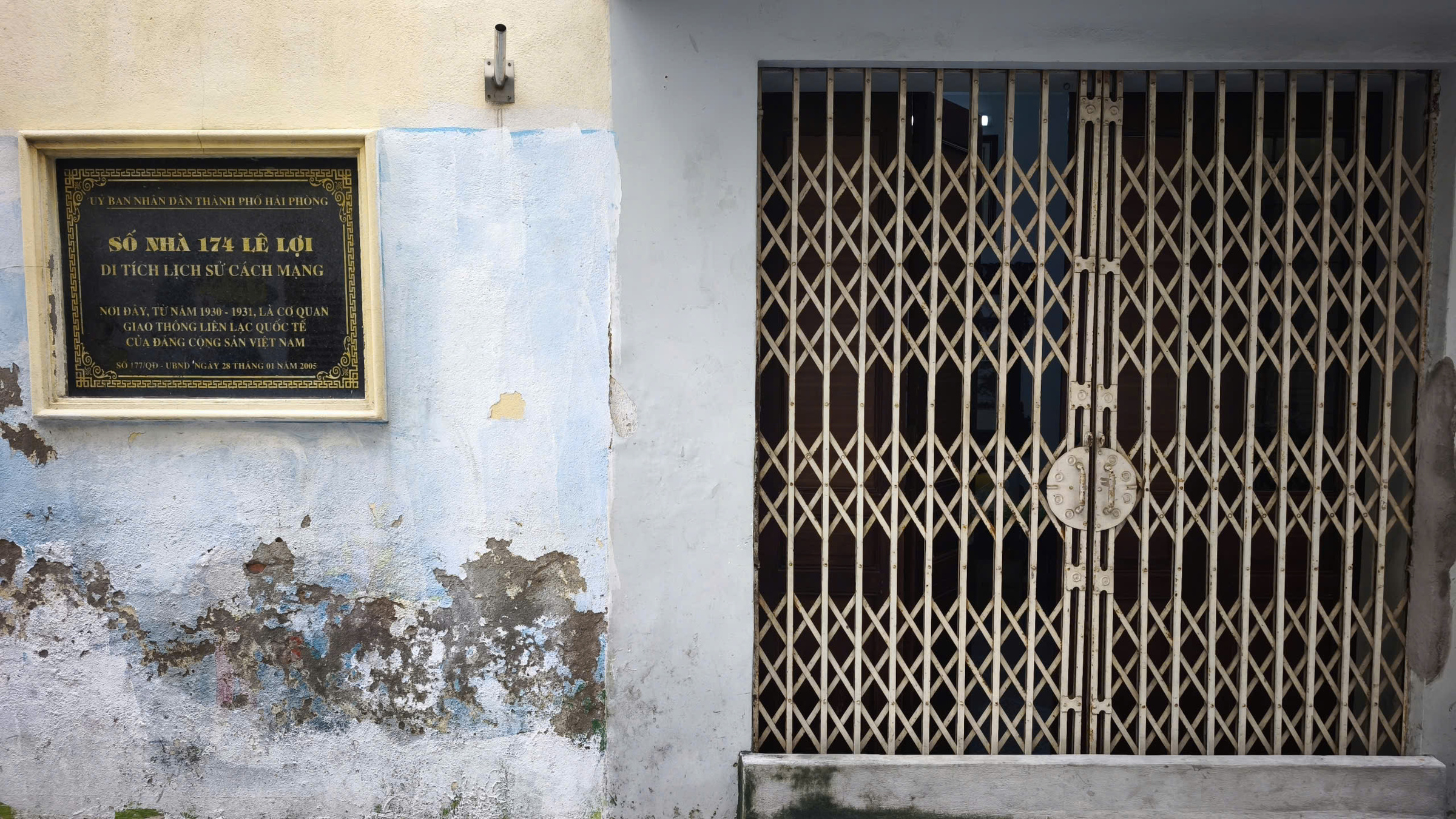
The second floor of house 174 Le Loi was the Party's international communication center from 1930 to 1931. It was part of a network of headquarters and communication stations that received and transferred documents and revolutionary newspapers from the Communist International abroad to Vietnam via Hai Phong port. In 4/1930, General Secretary Tran Phu stayed here while surveying Hai Phong for the drafting of the political platform. |
 |
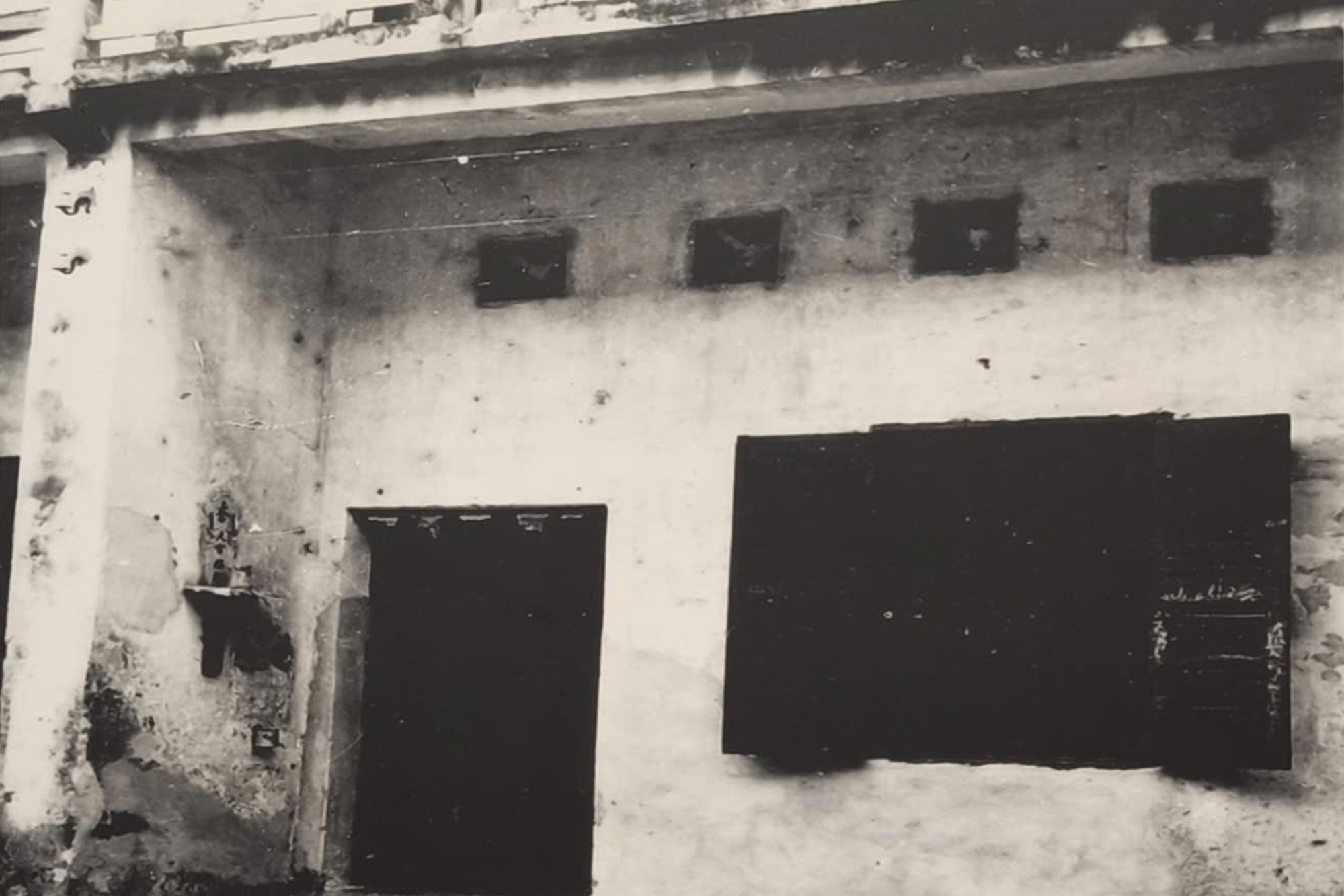 |
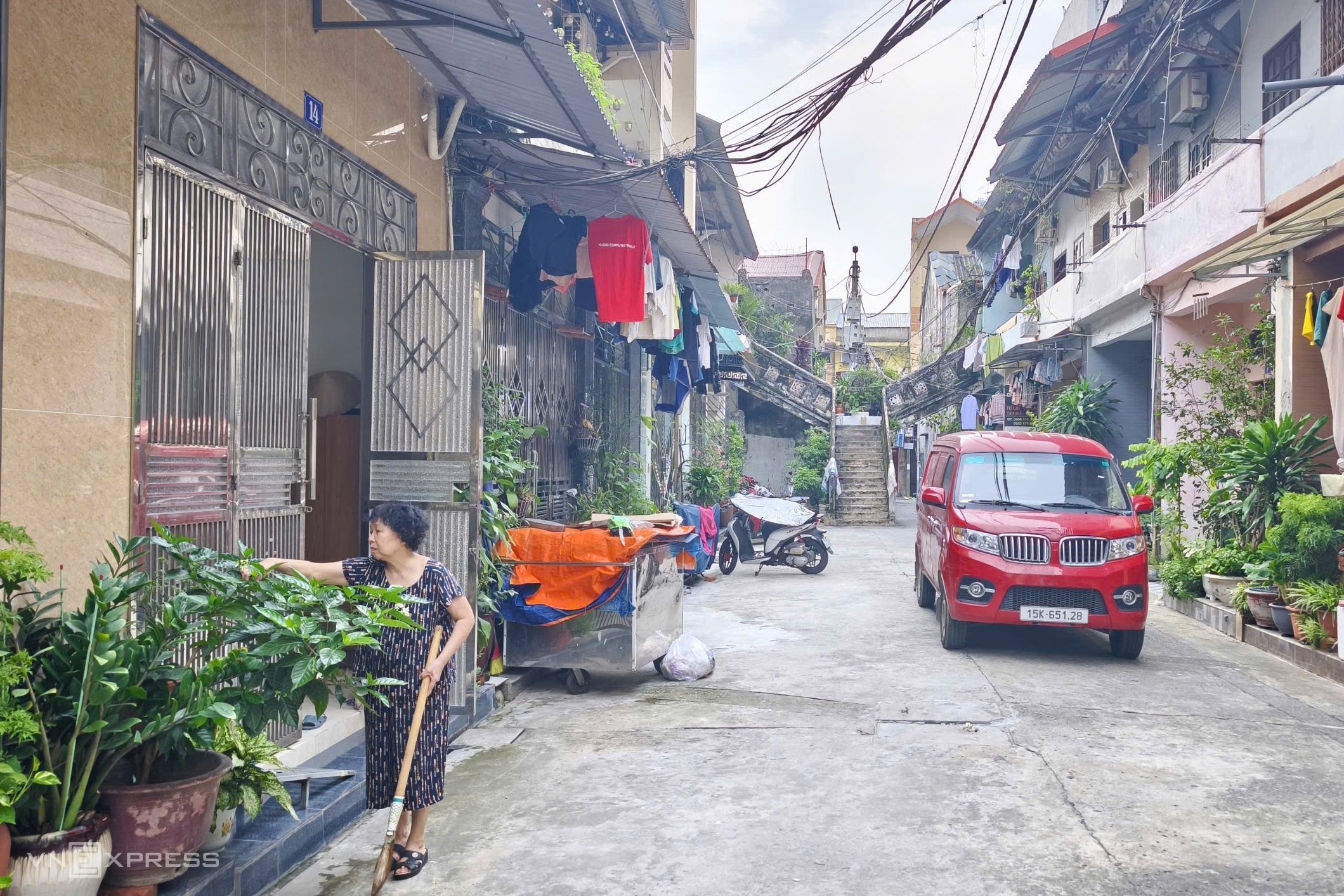
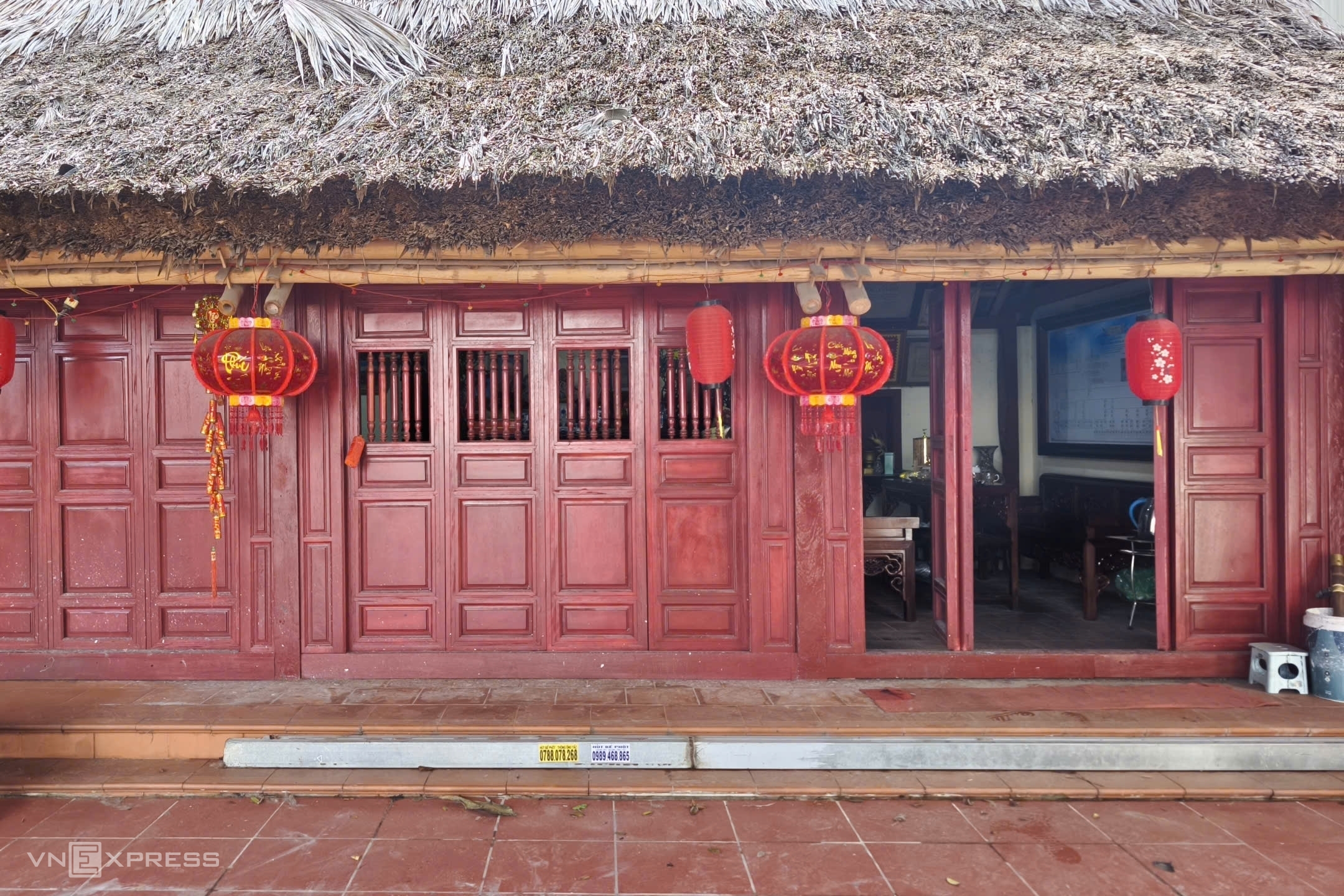
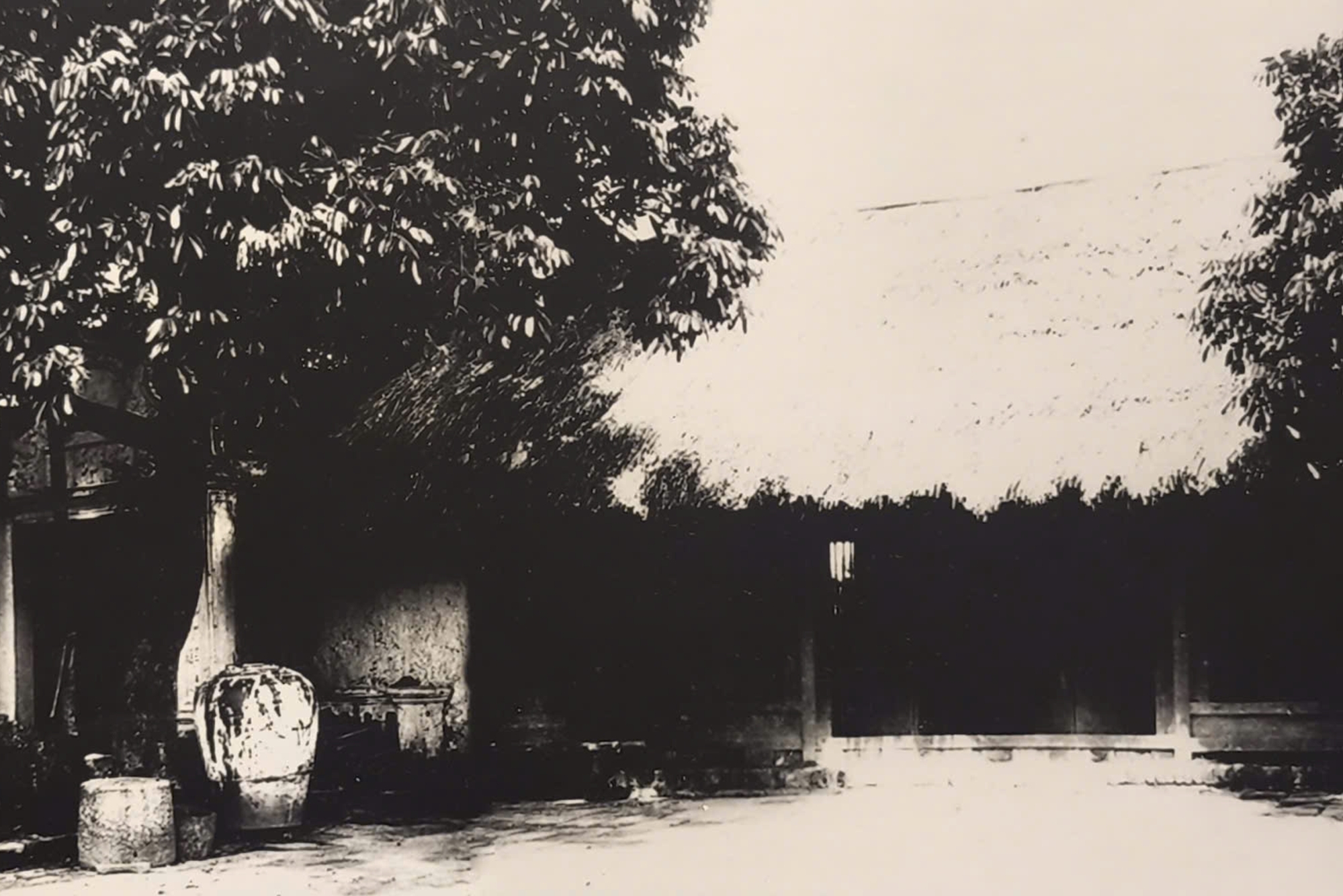
House 14 Ngo Gao (now 61 Ly Thuong Kiet street) functioned as a secret international communication station for revolutionary cadres in the 1920s. In the autumn of 1927, Nguyen Luong Bang (alias Sao Do) secretly transported several copies of "Duong Kach Menh" (The Revolutionary Path), written by Nguyen Ai Quoc in Guangzhou, to Hai Phong via the ship Song Bo.
Nguyen Luong Bang stored these books at house 14 Ngo Gao before distributing them to revolutionary cadres across various locations. This effort significantly contributed to the movement to establish the Communist Party of Vietnam on 3/2/1930. The house was recognized as a historical relic in 1986 but remains privately owned.
 |
 |
The house of Ms. Dang Thi Sau at 2 Du Hang Kenh ward served as the secret headquarters of the Hai Phong City Party Committee from 1936 to 1939. Ms. Sau is honored as a Heroic Vietnamese Mother, as four of her children served the revolution, with three becoming martyrs and one a severely wounded veteran.
At this location, Party cadres directly led the struggle movements of workers and laborers in factories and offices. In 9/1936, Nguyen Van Linh, the late General Secretary of the Central Committee of the Communist Party of Vietnam, returned from Con Dao and was tasked by the Party with organizing and leading revolutionary movements in Hai Phong. Nguyen Van Linh and Nguyen Cong Hoa, former Secretary of the Hai Phong City Party Committee from 1936 to 1939 and the first Secretary of the Quang Hong Inter-Provincial Committee, selected house 2 Du Hang Kenh ward as the command center for the revolutionary movement.
This house was designated a national relic in 1998 and has been relatively well-preserved.
 |
 |
 |
 |
House 10 Cat Dai street (now Hai Ba Trung street) was the meeting place for the Viet Minh Front to plan the seizure of power in Hai Phong in 8/1945.
Responding to the nationwide general uprising (13-15/8/1945), the revolutionary movement in Hai Phong - Kien An intensified. By mid-August, suburban districts had successively seized power.
On 21/8/1945, the Bac Ky Regional Committee dispatched Vu Quoc Uy to Hai Phong to directly lead the uprising. On the same morning, the red flag with a yellow star was raised at the Viet Minh City Committee headquarters at 14 Cat Dai. Representatives of the Uprising Committee met with the city mayor, who fully supported the Viet Minh.
On 23/8/1945, at the Hai Phong Grand Theater square, before a large crowd, Vu Quoc Uy, on behalf of the Uprising Committee, declared the abolition of the Japanese fascist puppet government and the establishment of the Provisional Revolutionary Administrative Committee. Revolutionary power officially passed to the people of Hai Phong - Kien An.
 |
 |
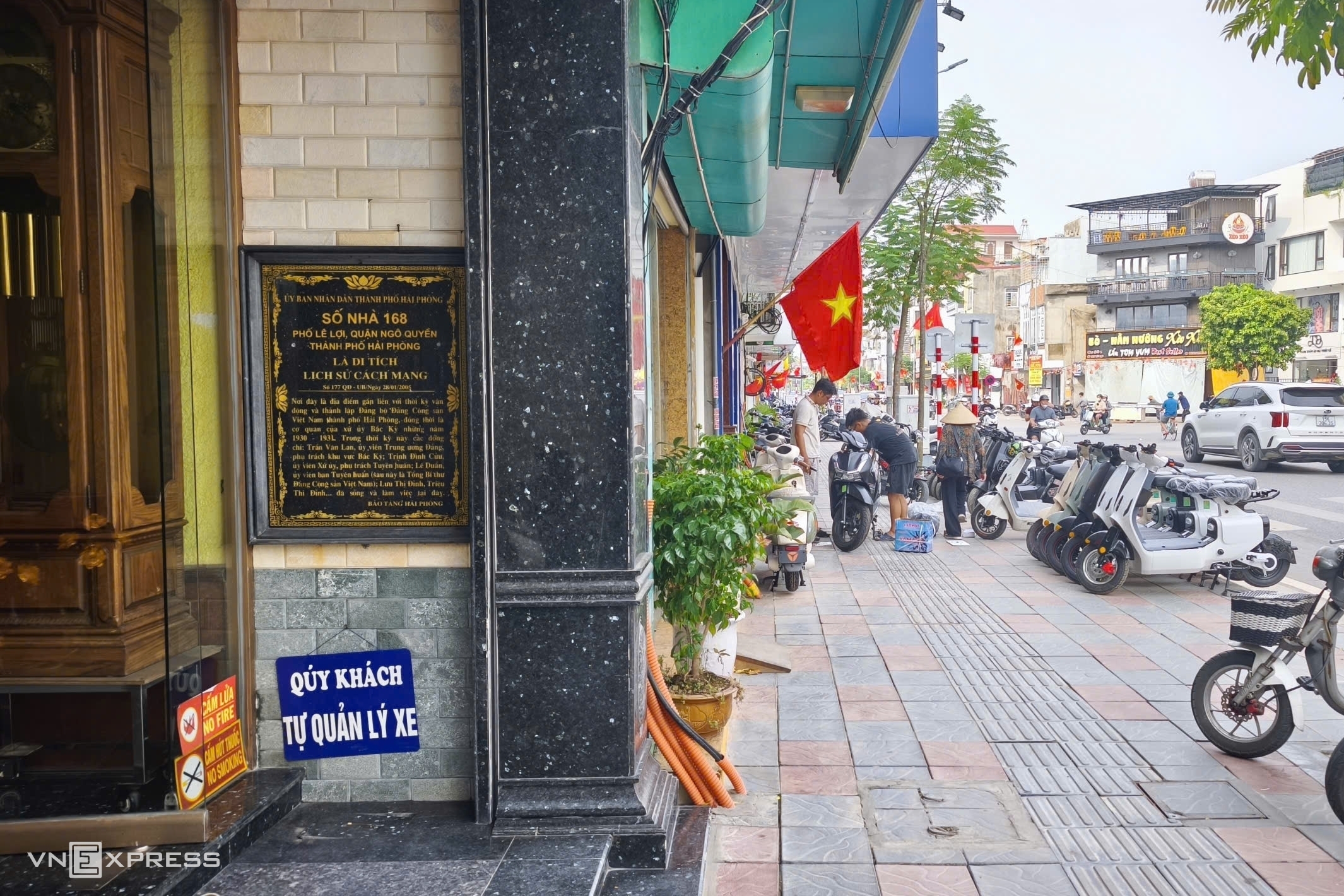 |
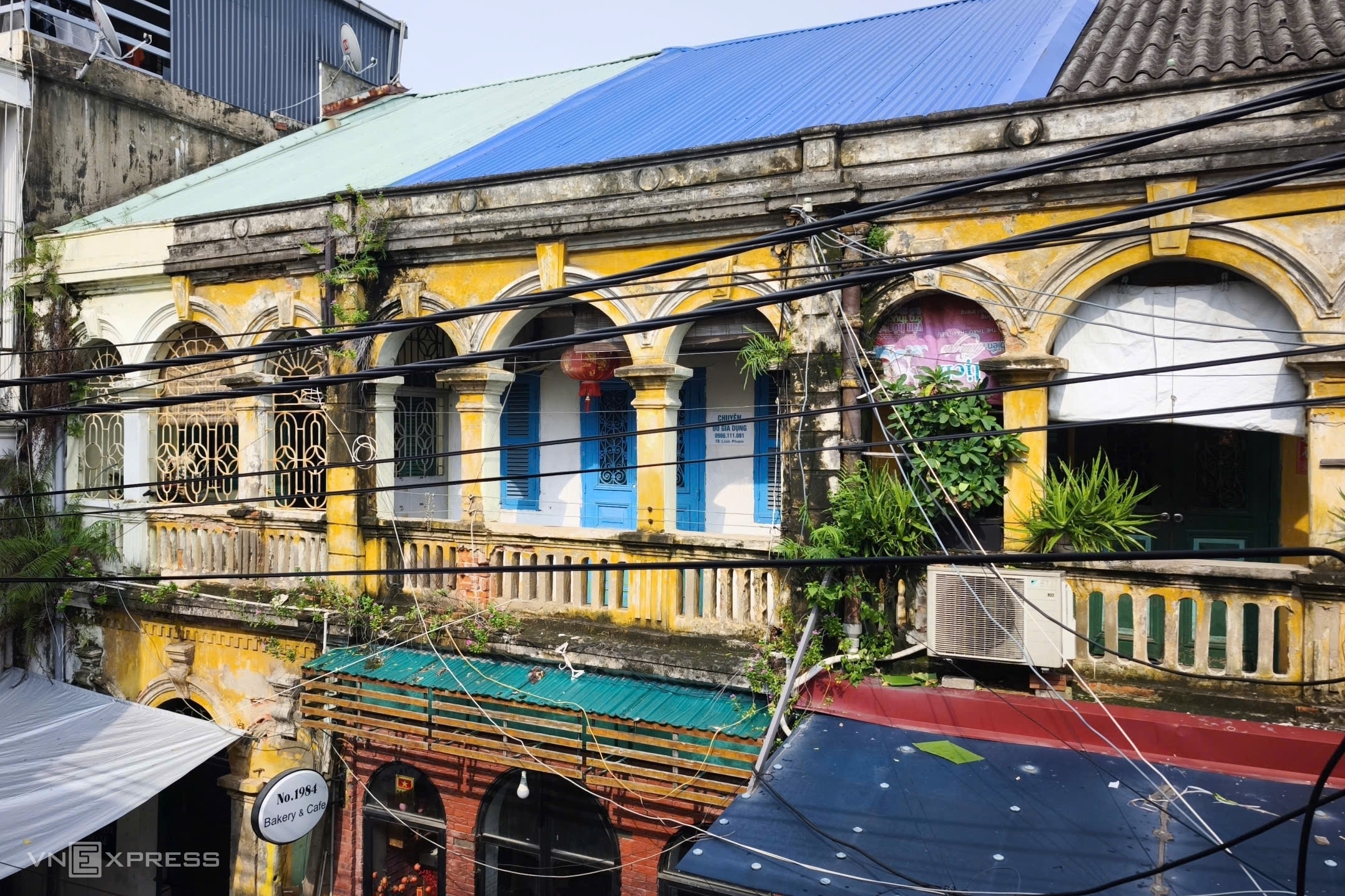
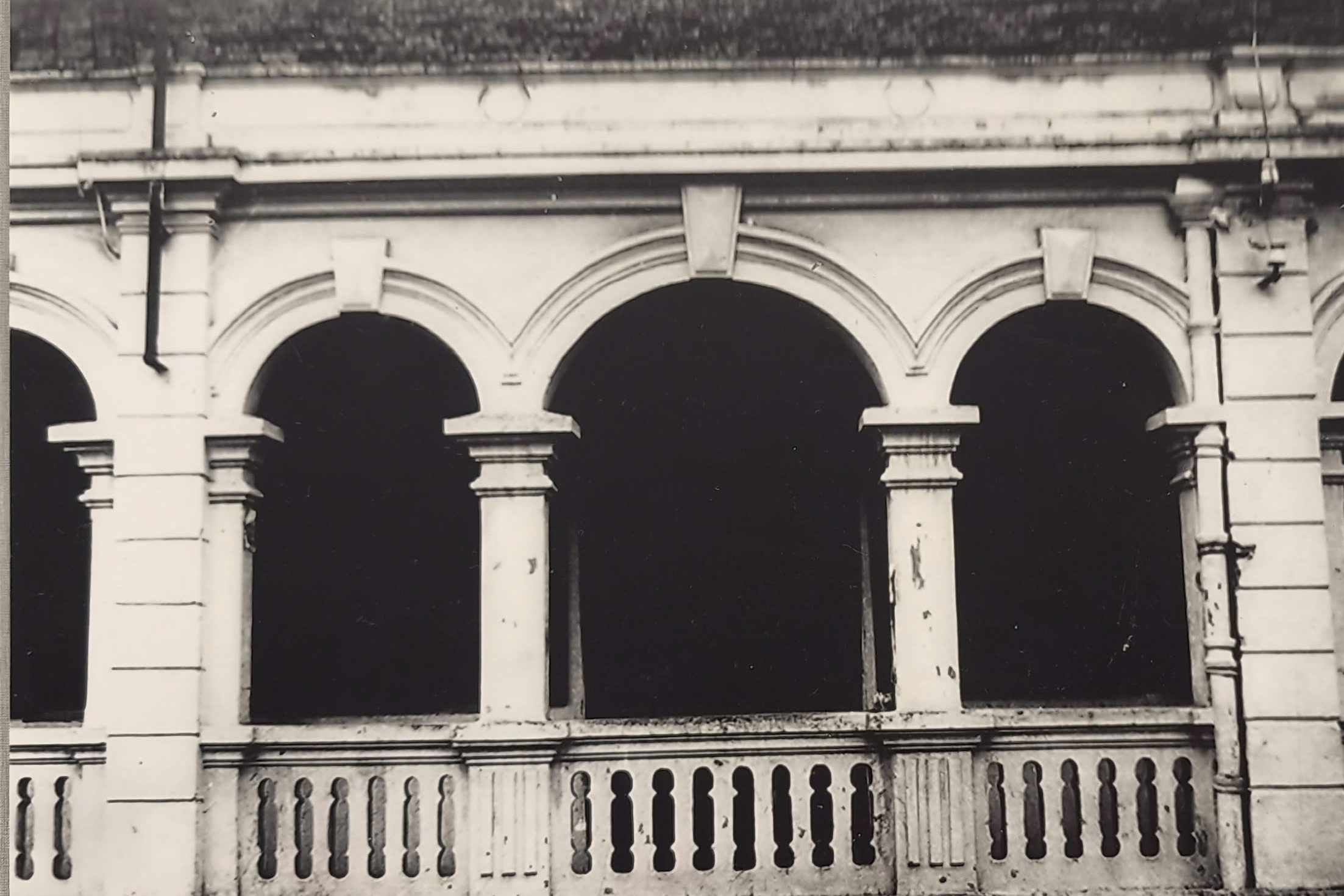
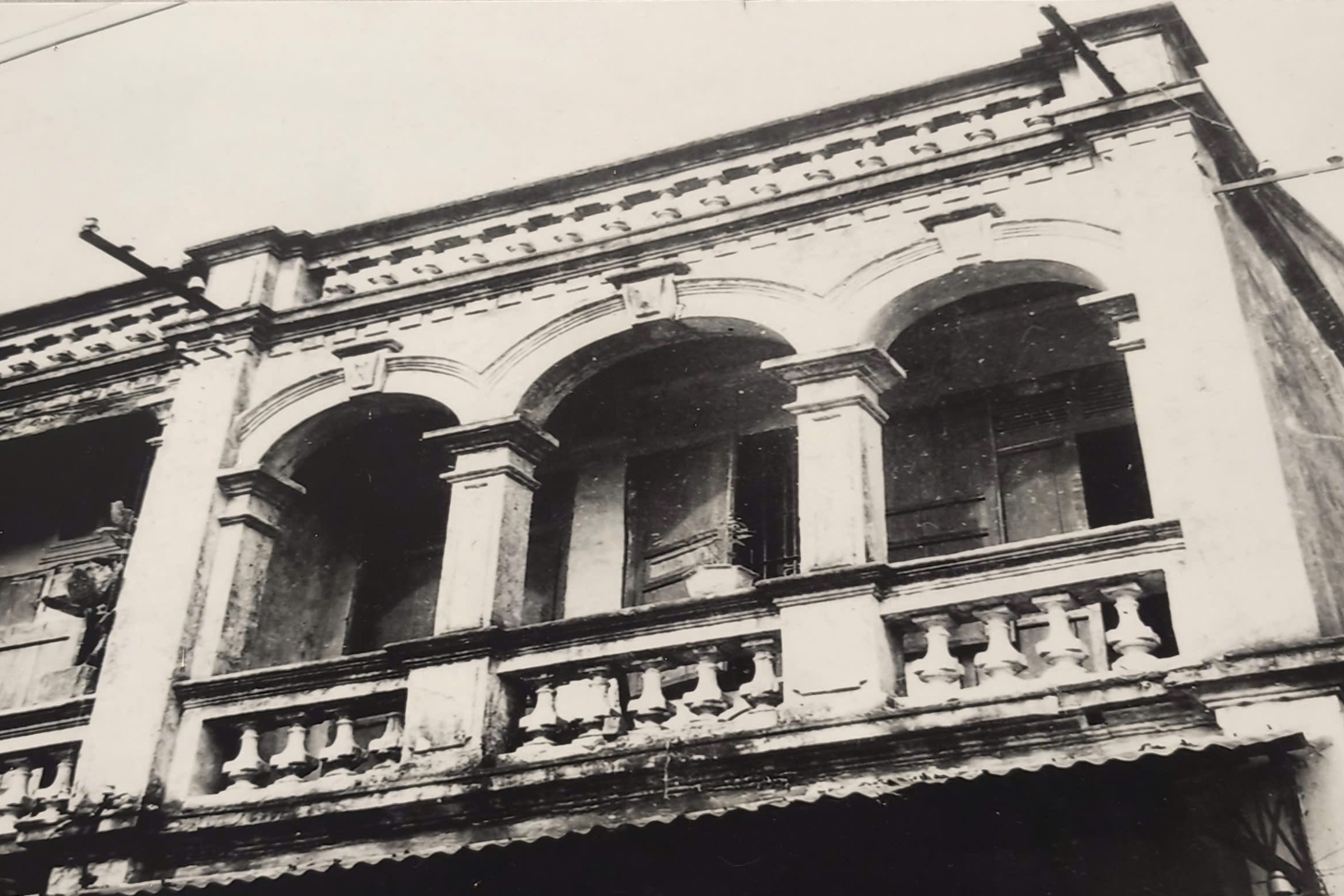
House 168 Le Loi served as a liaison and operational base for revolutionaries in the 1930s. After attending the Party founding conference in Huong Cang, China, Nguyen Duc Canh returned to Hai Phong to prepare for the establishment of the Hai Phong Party Committee of the Communist Party of Vietnam. The second floor of 166A (now 168 Le Loi) hosted numerous meetings and propaganda activities for communist youth, preparing for the establishment of the Hai Phong Indochinese Communist Party organization.
This street-front house, connected to winding alleys, was chosen as the secret headquarters for the Bac Ky Regional Committee due to its advantageous location, which allowed for secrecy and a safe retreat. Figures such as Tran Van Lan (Central Committee member, in charge of the Bac Ky region), Trinh Dinh Cuu (Regional Committee member, in charge of propaganda and training), Le Duan (Propaganda and Training Committee member, who later became General Secretary of the Communist Party of Vietnam), Luu Thi Dinh, and Trieu Thi Dinh, among others, lived and worked here.
From this location, the Regional Committee's communication network secretly expanded to factories, schools, and neighborhoods. Party newspapers and documents were quickly channeled through the propaganda apparatus, reaching cadres, party members, and the public nationwide.
Today, a commemorative stele is placed at 168 Le Loi street. In 2025, the Hai Phong City People's Committee recognized house 168 as a city-level revolutionary historical relic.
Le Tan