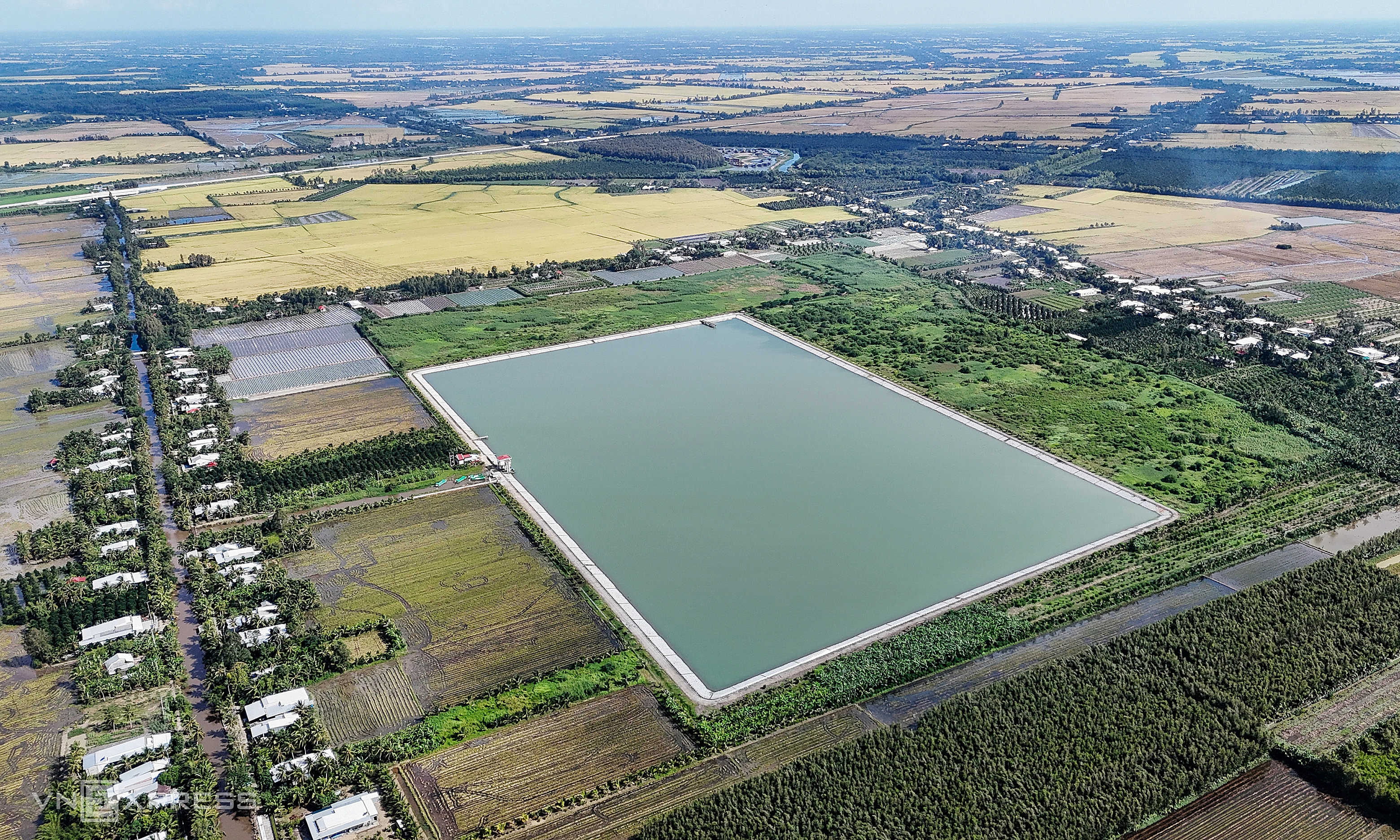
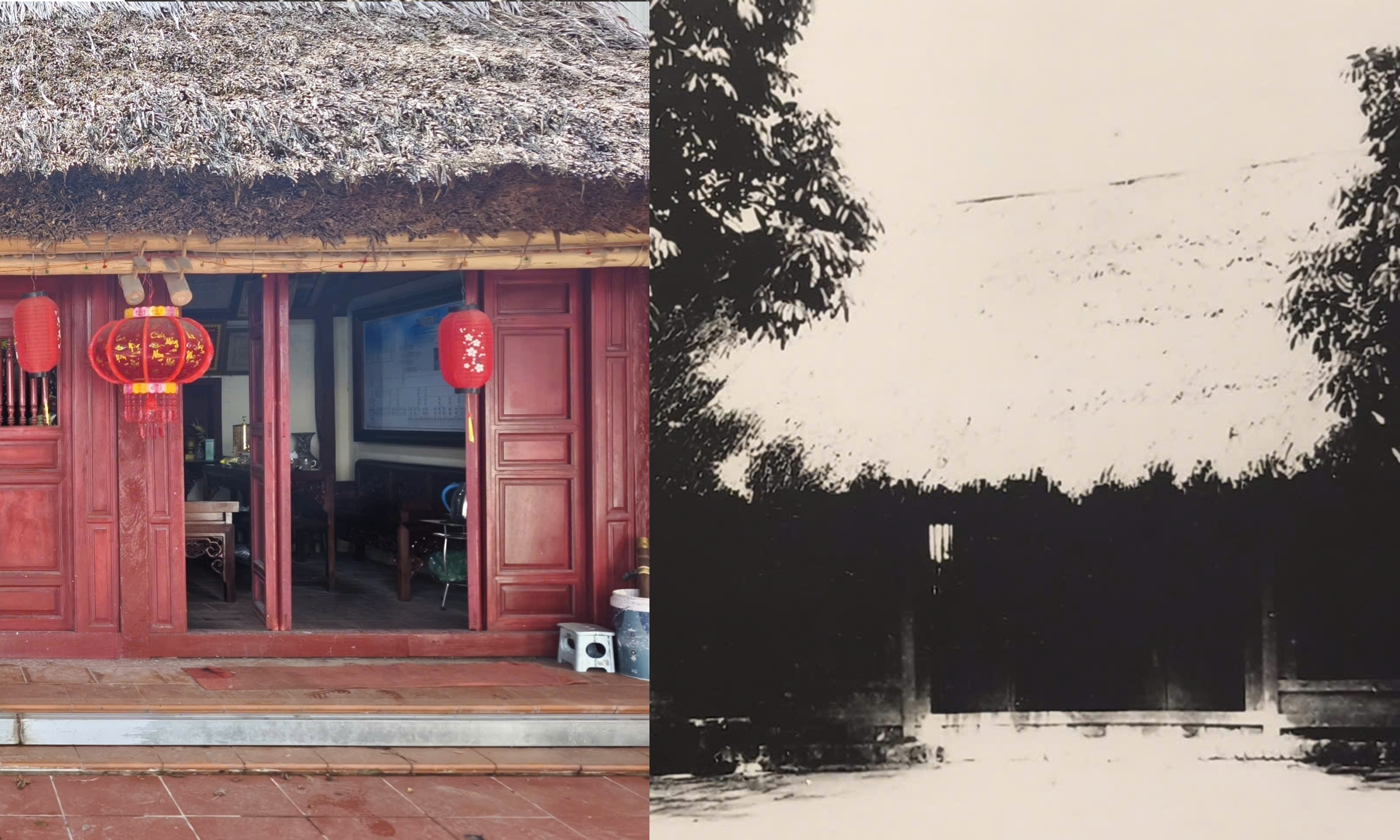
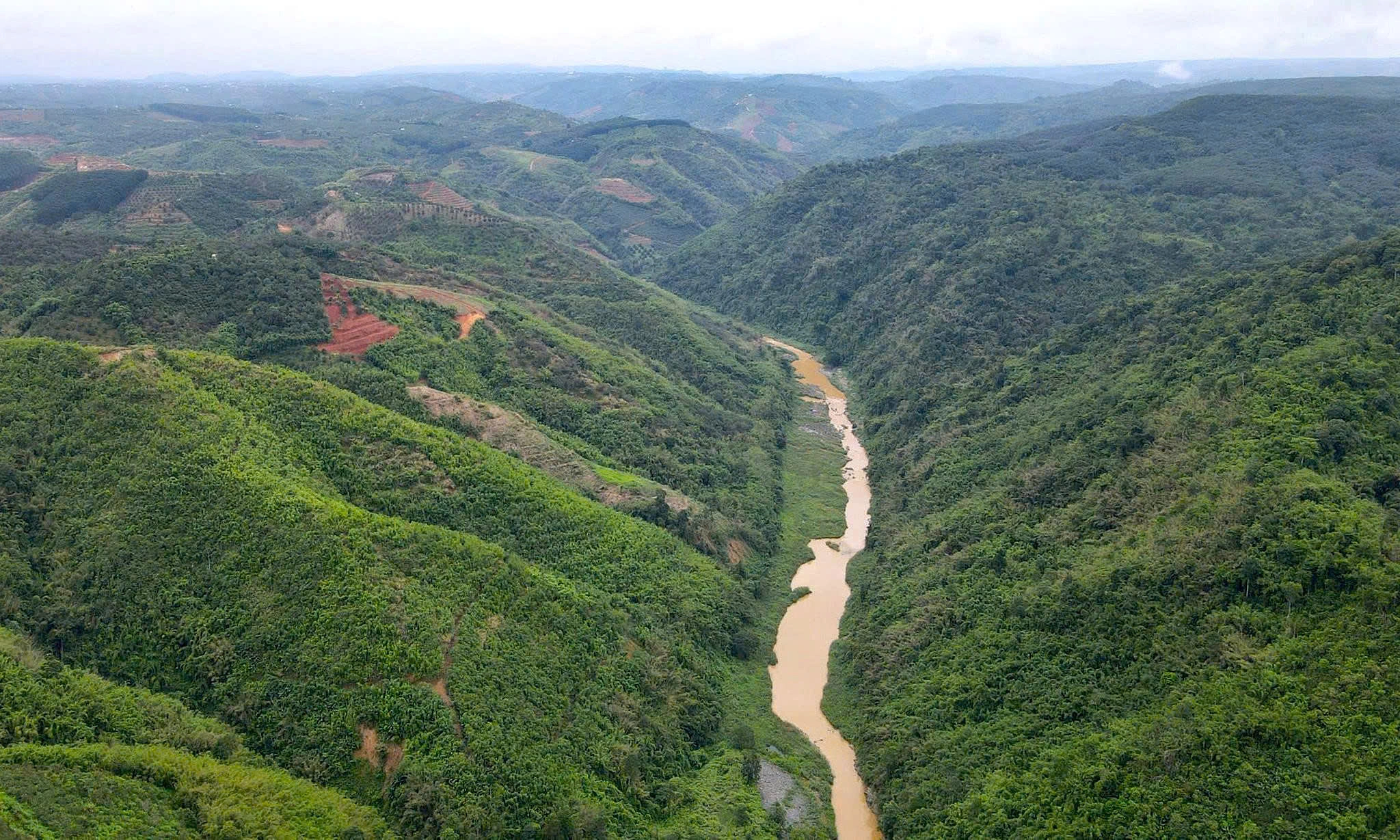
According to the recently issued list by the Can Tho City People's Committee, eight lakes and two ponds across six communes and wards are subject to strict protection. The largest is a 21-hectare freshwater reservoir in Vinh Tuong commune.
Following this are Bun Xang lake, spanning 18 hectares, and Xang Thoi lake, 6,5 hectares, both in Ninh Kieu ward; another Xang Thoi lake of 5,8 hectares in Nga Bay ward; and Nuoc Ngot lake, nearly 4 hectares, in Soc Trang ward. Sen lake, Tam Giac lake in Vi Thanh ward, and two water storage ponds in My Phuoc commune range from 0,7 to 3 hectares in size.
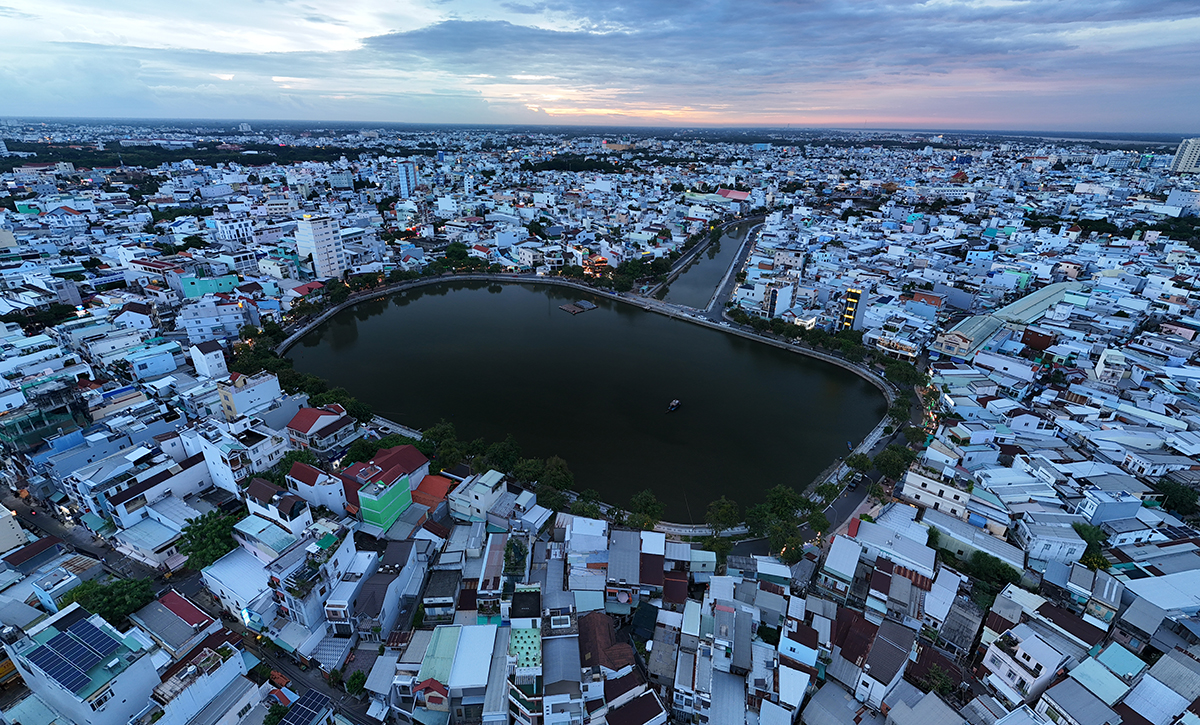 |
Xang Thoi lake in Ninh Kieu ward, Can Tho city. _An Binh_ |
These lakes and ponds serve multiple functions: storing, regulating, and draining water to combat urban flooding during the rainy and flood season. They also supply water for daily life and production during the dry season. Additionally, some areas help regulate the microclimate, enhance landscapes, prevent forest fires, and ensure water resource security.
The city mandates local authorities and management units to prevent wastewater discharge, unauthorized landfilling, renovation, or illegal construction within these lakes and ponds. They are also required to regularly inspect for and address violations. Information on these facilities is updated in the national water resource data system.
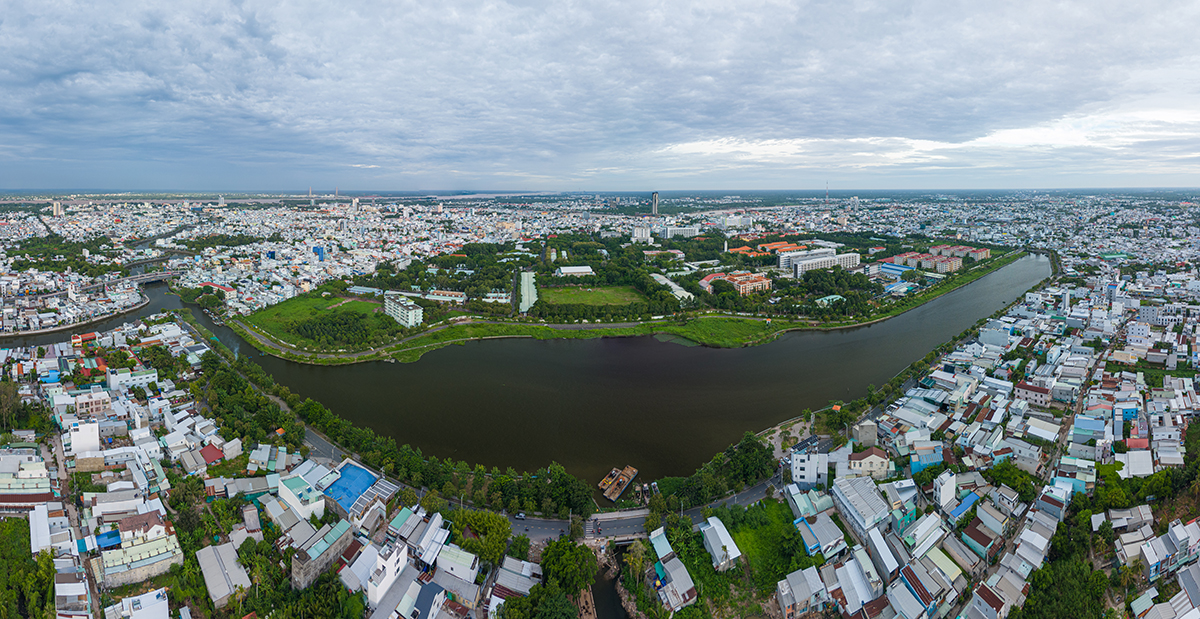 |
Bun Xang lake in Ninh Kieu ward after being cleared of water hyacinths and waste in 2024. _An Binh_ |
Can Tho spans over 6,360 square kilometers and has a population exceeding 4,19 million people, comprising 103 communes and wards. For many years, the city's central areas have frequently experienced flooding when heavy rain coincides with high tides.
Over the past 10 years, the city has invested over 10,000 billion dong in flood control projects, including river embankments, navigation locks, and regulating lakes. These efforts have helped mitigate the impact of heavy rain and high tides.