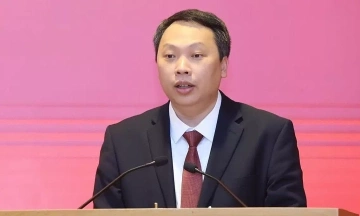
Mr. Nguyen Van Quang holds a Doctor of Law degree and is a native of Hai Phong. He served as a member of the Party Central Committee for the 13th and 14th terms, and a National Assembly delegate for the 15th and 16th terms. He spent a significant part of his career in the prosecution sector, holding positions such as Chief Procurator of Hai Phong City People's Procuracy, Chief Procurator of the High-level People's Procuracy in Ho Chi Minh City, and Deputy Chief Procurator and Secretary of the Party Committee of the Supreme People's Procuracy.
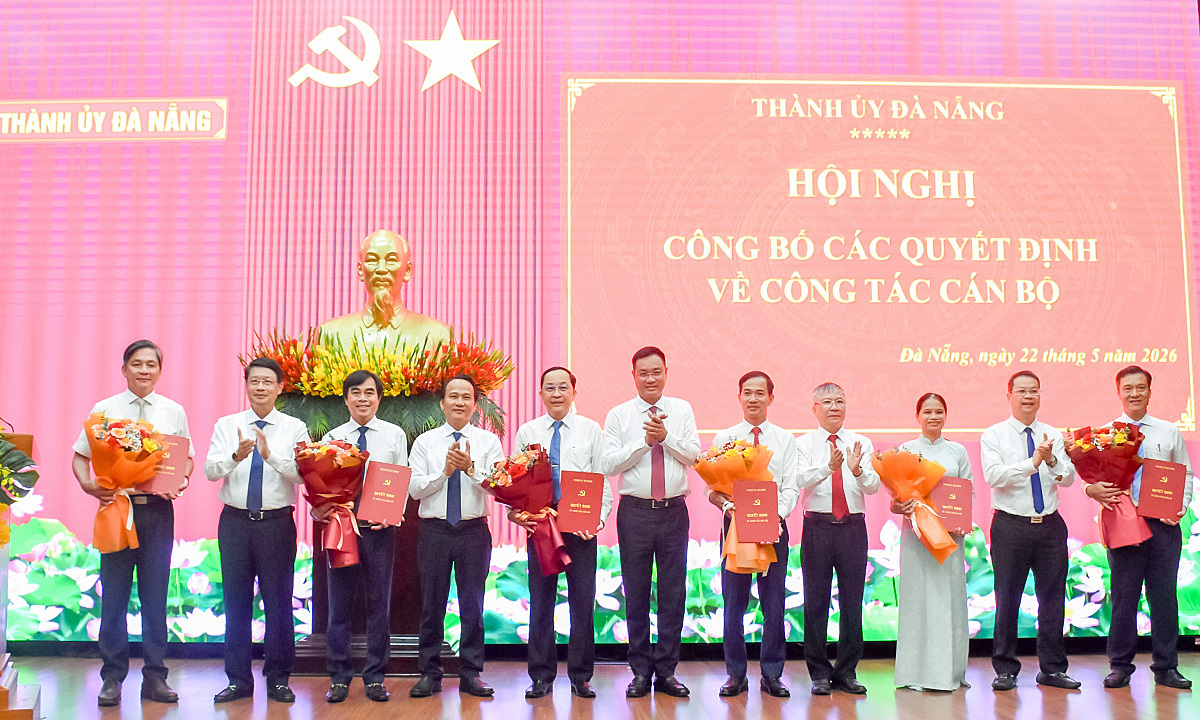
In late 2019, he was transferred to become Permanent Deputy Secretary of the Da Nang City Party Committee. Nearly one year later, he was elected City Party Secretary. Following administrative unification involving Da Nang and Quang Nam, the Politburo assigned him to continue as the new Da Nang City Party Secretary.
In September 2025, he was appointed Permanent Deputy Inspector General of the Government Inspectorate. By November 2025, the National Assembly elected him chief justice of the Supreme People's Court.
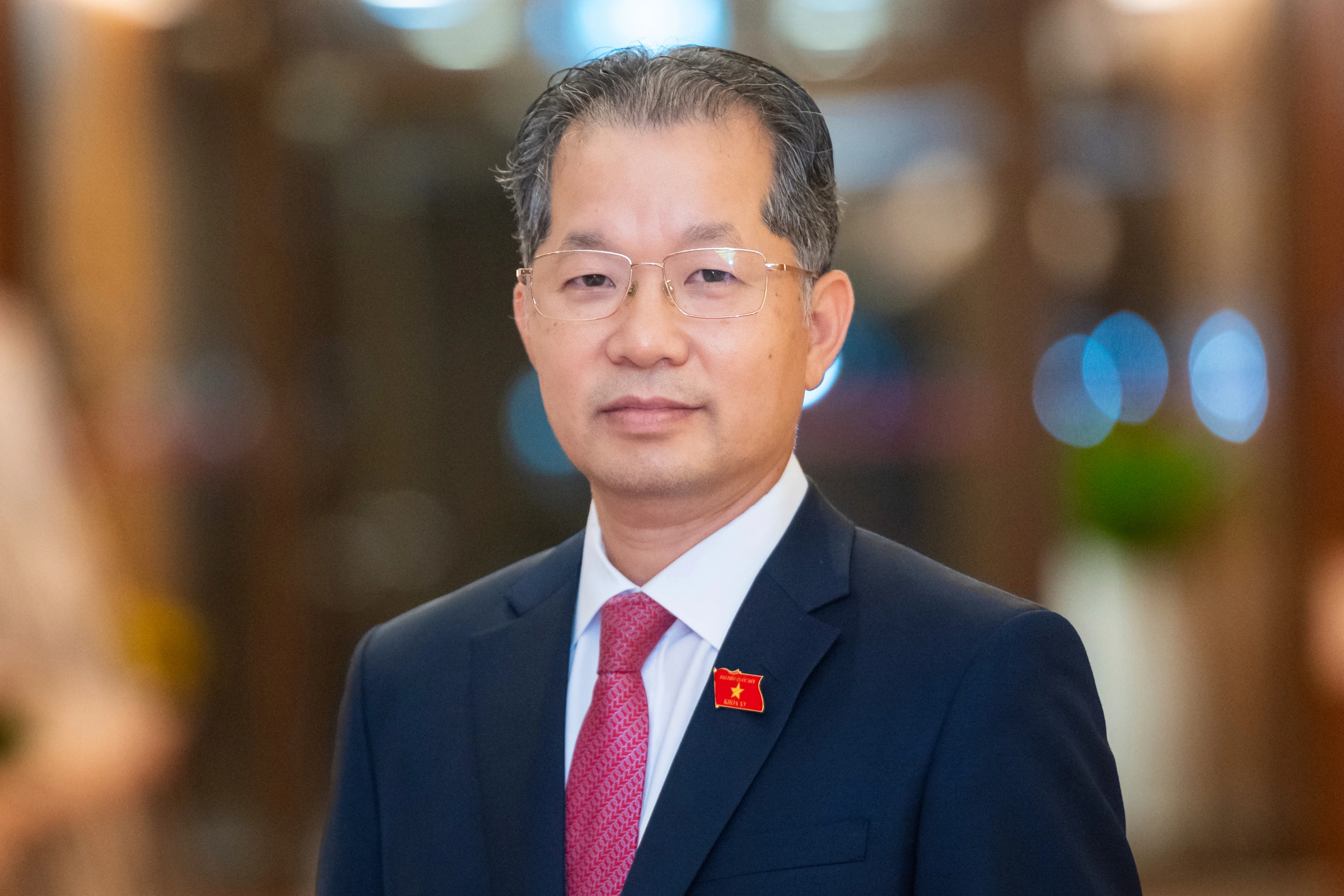 |
Mr. Nguyen Van Quang, Chief Justice of the Supreme People's Court. Photo: Pham Thang |
During his tenure as Da Nang City Party Secretary, he frequently emphasized administrative reform, removing procedural obstacles, and improving the investment and business environment. He focused on resolving land issues to harmonize interests and on orienting the development of high-tech industries, including semiconductor microchips and artificial intelligence.
Under his and the city's collective leadership, the project for the Da Nang Free Trade Zone and International Financial Center received approval from the Central Government and the National Assembly.
The Supreme People's Court currently includes Deputy Chief Justices: Nguyen Tri Tue, Duong Van Thang, Nguyen Van Tien, Pham Quoc Hung, Le Tien, and Nguyen Bien Thuy. As the highest judicial body, it conducts supervisory reviews and re-trials of legally effective judgments and decisions that have been appealed. It also supervises the adjudication of lower courts, summarizes judicial practices, and ensures the uniform application of law and the development of case precedents.
Son Ha