A wind convergence zone active at 1,500-5,000 m altitude brought continuous showers and thunderstorms to northern provinces over the past few days. Mountainous and Northeast regions saw heavy rain, causing localized flooding.
The National Center for Hydro-Meteorological Forecasting predicts that rain in the northern region will persist on 21/5, then rapidly decrease from 22/5 as a hot low-pressure area from the west develops. From 23/5 to 27/5, the northern region is likely to experience a widespread heatwave with common temperatures of 36-39 degrees Celsius, with some areas exceeding 39 degrees.
This heatwave is expected to be more intense than the one from 13/5-16/5. During the previous period, northern temperatures were commonly 36-38 degrees Celsius, with the highest recorded at Nho Quan (Ninh Binh) at 38,7 degrees Celsius.
US-based Accuweather reports that Hanoi's temperature today will be 27-33 degrees Celsius, gradually rising to 28-40 degrees by the weekend. High-altitude areas above 1,500 m, such as Sa Pa (Lao Cai), will see a maximum of 25 degrees Celsius.
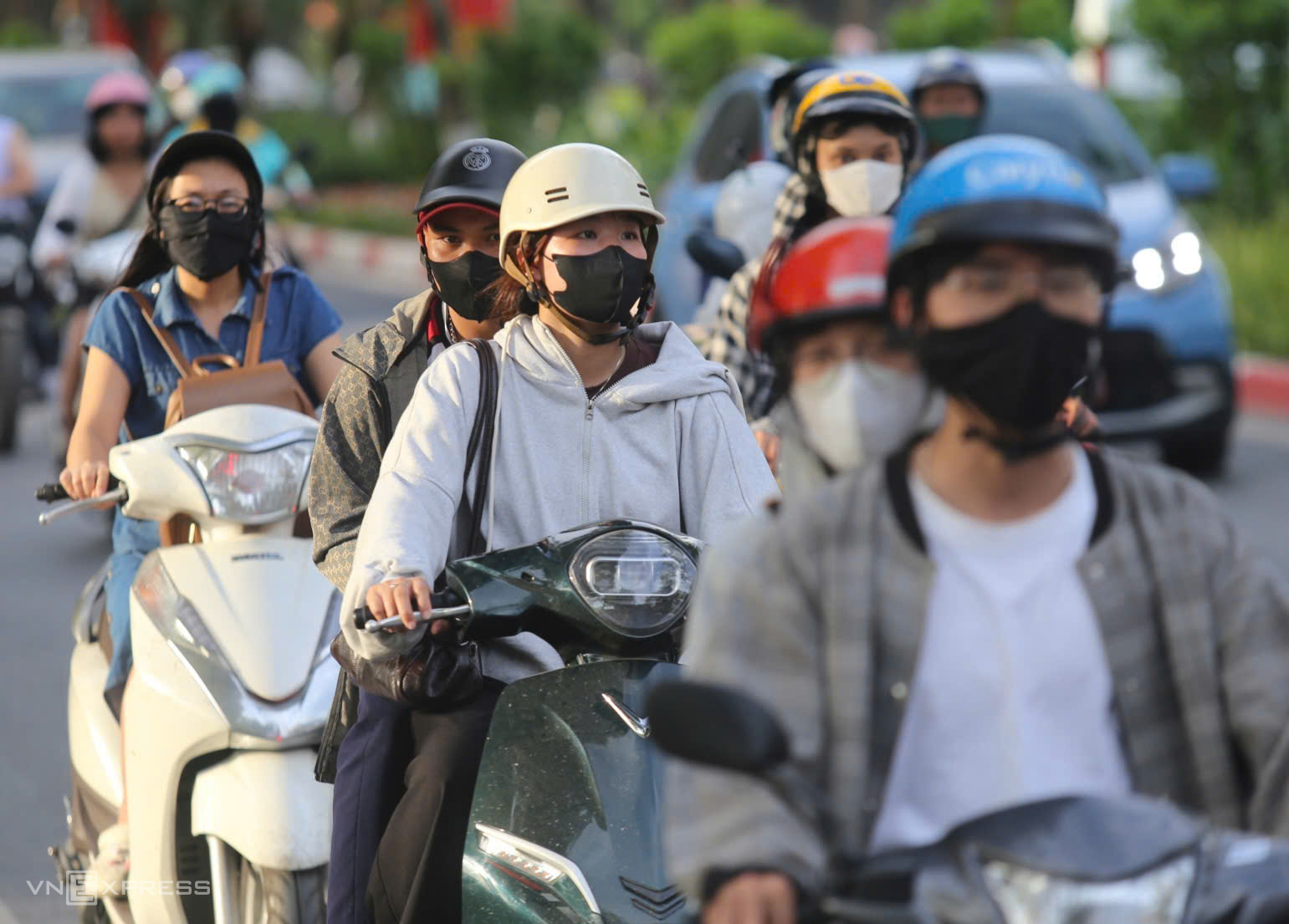 |
The northern region will experience widespread heat again from tomorrow. *Gia Chinh* |
The central region may experience heat earlier, starting from 22/5 and lasting until around 28/5. Common temperatures will be 38-40 degrees Celsius, with some areas exceeding 40 degrees; western mountainous areas could face an exceptionally severe heatwave.
During the mid-May heatwave, the central region recorded common temperatures of 37-39 degrees, with Son Hoa (Gia Lai) reaching 39,7 degrees Celsius.
The meteorological agency suggests this could be the last heatwave in May. In June, the entire country may experience an additional two to three heatwaves, with common temperatures of 37-39 degrees, and some areas reaching 41-42 degrees Celsius, concentrated in the western mountainous areas from Thanh Hoa to Hue City.
The average temperature for June across the country is forecast to be 0,5-1 degrees Celsius higher than the multi-year average, making heatwaves tend to be more intense.
The meteorological agency warns that prolonged heat could increase the risk of heat stroke, heatstroke, forest fires, residential fires and explosions, and localized water shortages. High temperatures combined with low humidity also significantly affect the elderly, young children, and outdoor workers.
Furthermore, after heatwaves, there is often a risk of thunderstorms, lightning, and strong gusts due to the conflict between hot air masses and weak late-season cold air. Residents are advised to proactively protect themselves from the heat, use electricity safely, and regularly monitor weather forecasts.
>>See detailed 7-day temperatures here.
*Gia Chinh*