"When people are fairly covered by health insurance (BHYT), they will proactively choose traditional medicine right from the grassroots level," General Secretary and President To Lam stated at a working session with the Party Committee of the Ministry of Health on Vietnamese traditional medicine, on the afternoon of 20/5.
According to him, integrating official traditional technical services and remedies into the BHYT coverage list is a key to bringing traditional medicine closer to the people. Developing traditional medicine does not mean reverting to old, manual methods; rather, it requires inheriting and developing ancestral essence on a foundation of modern science and technology. Traditional medicine must become an organic part of national medicine, a resource for national development in the new era.
General Secretary and President To Lam instructed the digitization of all valuable traditional remedies and indigenous knowledge of Vietnamese ethnic groups. He also called for the completion of a national database on traditional medicine. National key research programs in medicinal herbs and high-value remedies must be linked to commercialization and market demands, fostering coordination among research institutes, universities, hospitals, and local businesses.
He emphasized the need to build and strengthen several strong national and regional traditional medicine centers. These centers should not only provide examination and treatment but also serve as hubs for research, training, conservation, technology transfer, product development, and the promotion of Vietnamese medical culture. He stressed that developing the medicinal herb industry is an economic sector, requiring synchronized efforts across the entire chain, from seeds and standardized growing regions to traceability, product processing, branding, and export markets.
The integration of Eastern and Western medicine should follow an evidence-based approach. The two medical systems should not be in opposition but complement each other perfectly. To develop a synchronized traditional medicine and pharmacy ecosystem, with high-quality human resources and preserved medical ethics, the State must play a pivotal role in institutional creation and quality control. It should also encourage and facilitate private enterprises and large pharmaceutical corporations to invest in research, deep processing, and the development of traditional medicine pharmacy chains.
"Private traditional medicine pharmacies and traditional medicine practitioners' clinics must become effective extensions of the public health network," he said. He called for specific policies to identify, honor, preserve, and widely apply unique traditional remedies and treatment methods held by the people, ensuring these valuable legacies are not lost or forgotten. He also demanded decisive action against and zero tolerance for misconduct and profiteering at the expense of public health.
Medical and pharmaceutical universities must reform their traditional medicine doctor training programs. Traditional medicine practitioners should be knowledgeable in both Eastern medical theories and modern Western paraclinical achievements.
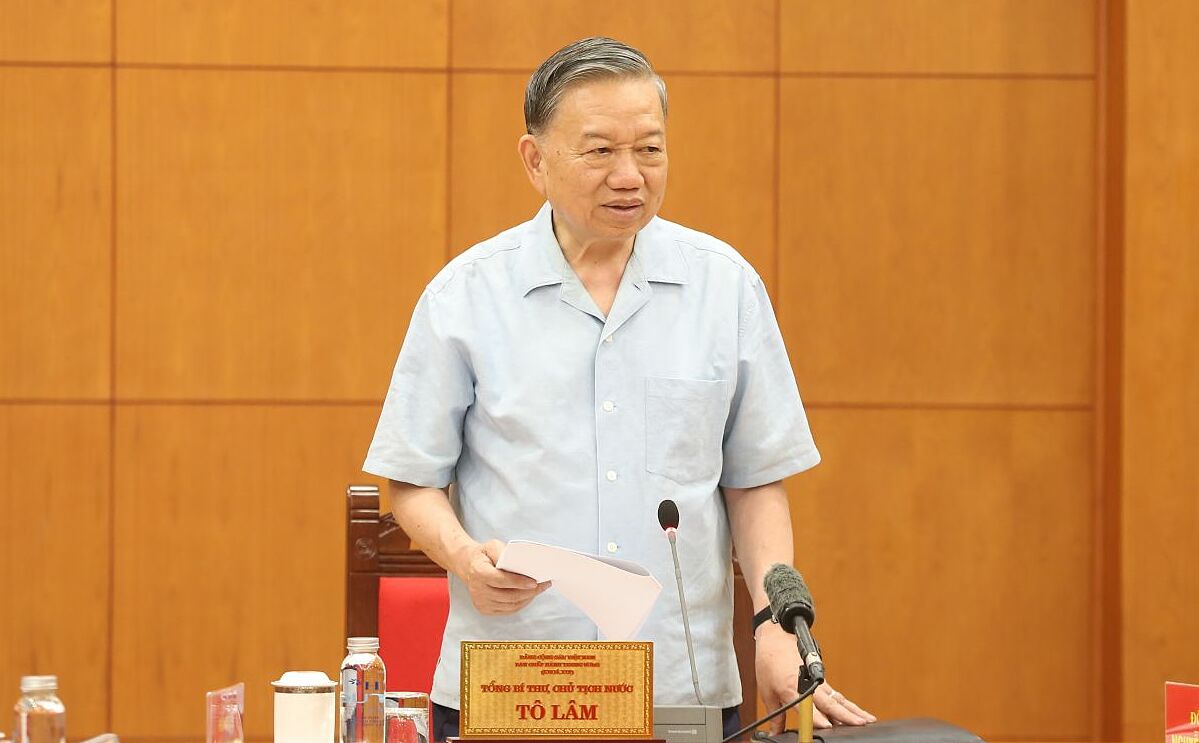 |
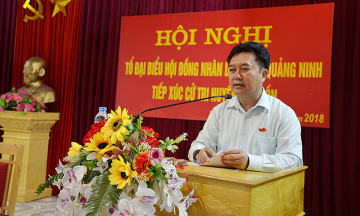
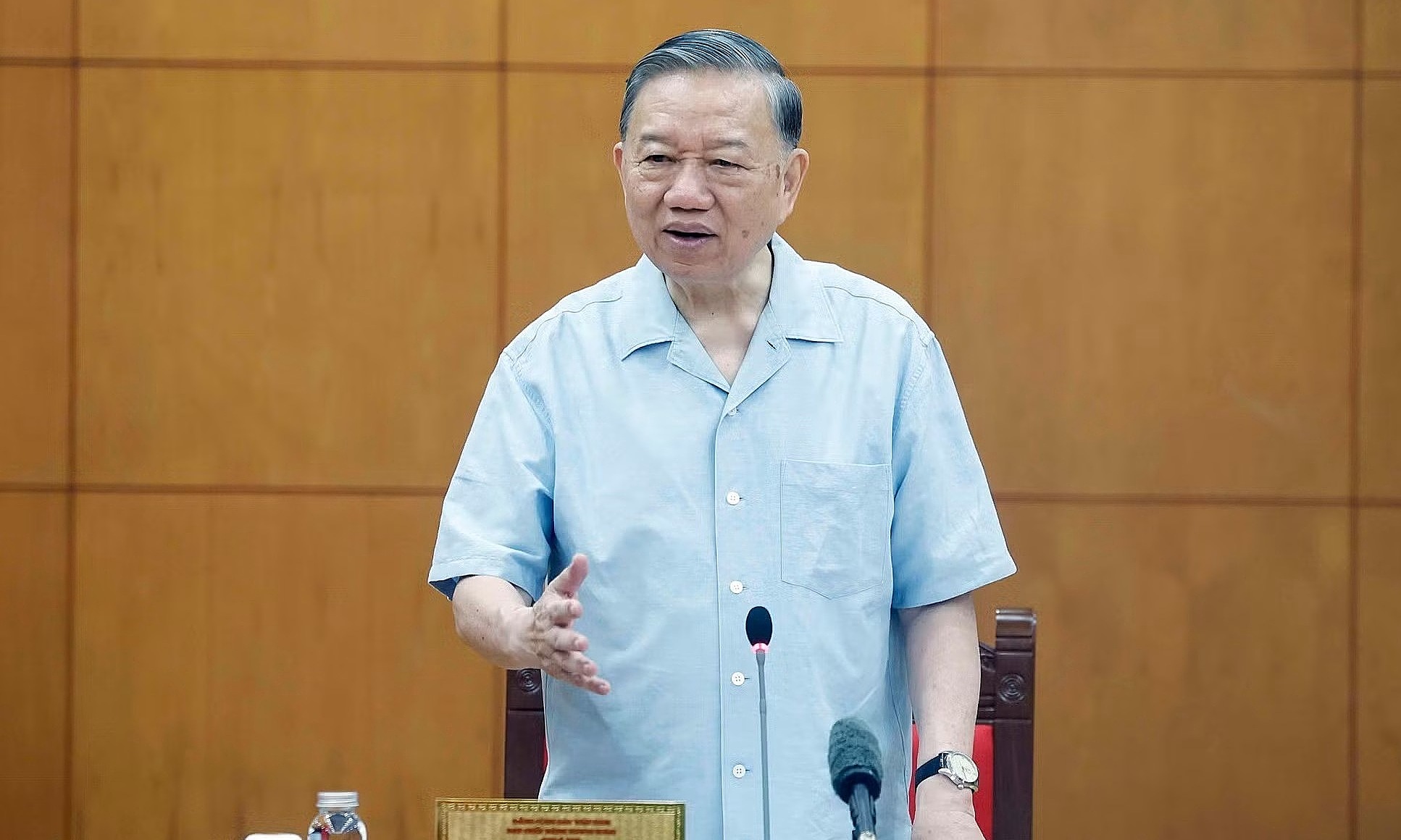
General Secretary and President To Lam works with the Party Committee of the Ministry of Health, on the afternoon of 20/5. Photo: Communist Party Portal |
Regarding Eastern medicine, General Secretary and President To Lam noted that medical ethics must come first. Extreme commercialization, false advertising, and unscientific treatments must not be allowed to erode public trust. This is not only a requirement for professional ethics but also a foundation for protecting the authentic values of national traditional medicine and preserving public confidence.
The development of a national brand for Vietnamese traditional medicine should be promoted, linking it with the health economy, healing tourism, product exports, and the soft power of Vietnamese culture. This brand must be built on three pillars: Vietnamese identity, scientific evidence for products and services, and international standards.
Furthermore, research should focus on developing pilot models for health care centers, resorts, wellness areas, medicinal herb villages, and medicinal herb development regions. These initiatives should be linked with sustainable poverty reduction and ecotourism.
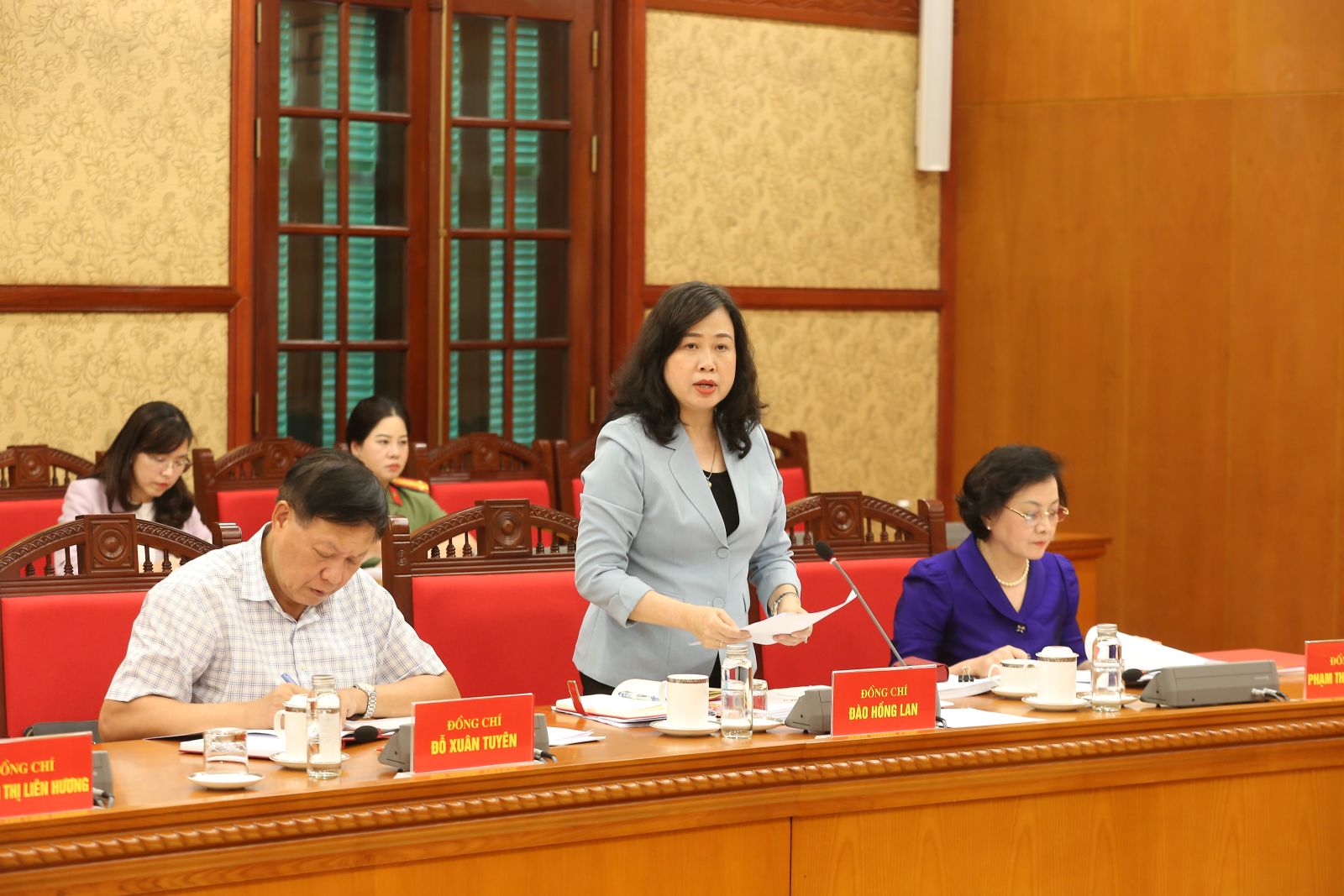 |
From right: Vice Prime Minister Pham Thi Thanh Tra, Minister of Health Dao Hong Lan, Vice Minister of Health Do Xuan Tuyen, at the working session with General Secretary and President To Lam, on the afternoon of 20/5. Photo: Communist Party Portal |
The Ministry of Health has been tasked with promptly developing and submitting for promulgation a strategy for Vietnamese traditional medicine development until 2030, with a vision to 2045.
Vu Tuan