Dismantling efforts have largely concluded for pillboxes on Thuong Thanh, a significant historical rampart in Hue Imperial City, restoring the area's original integrity. Lieutenant Colonel Le Van Thanh Ngoc, Head of the Engineer Board, Hue City Military Command, confirmed on 14/9 that the final two pillboxes, located at Tay Thanh Thuy Quan and Dong Thanh Thuy Quan, have been removed. This action has opened up the space on the rampart, aligning it with its appearance during the Nguyen Dynasty.
Tay Thanh Thuy Quan before and after pillbox dismantling. u1ea2nh: Vo Thanh
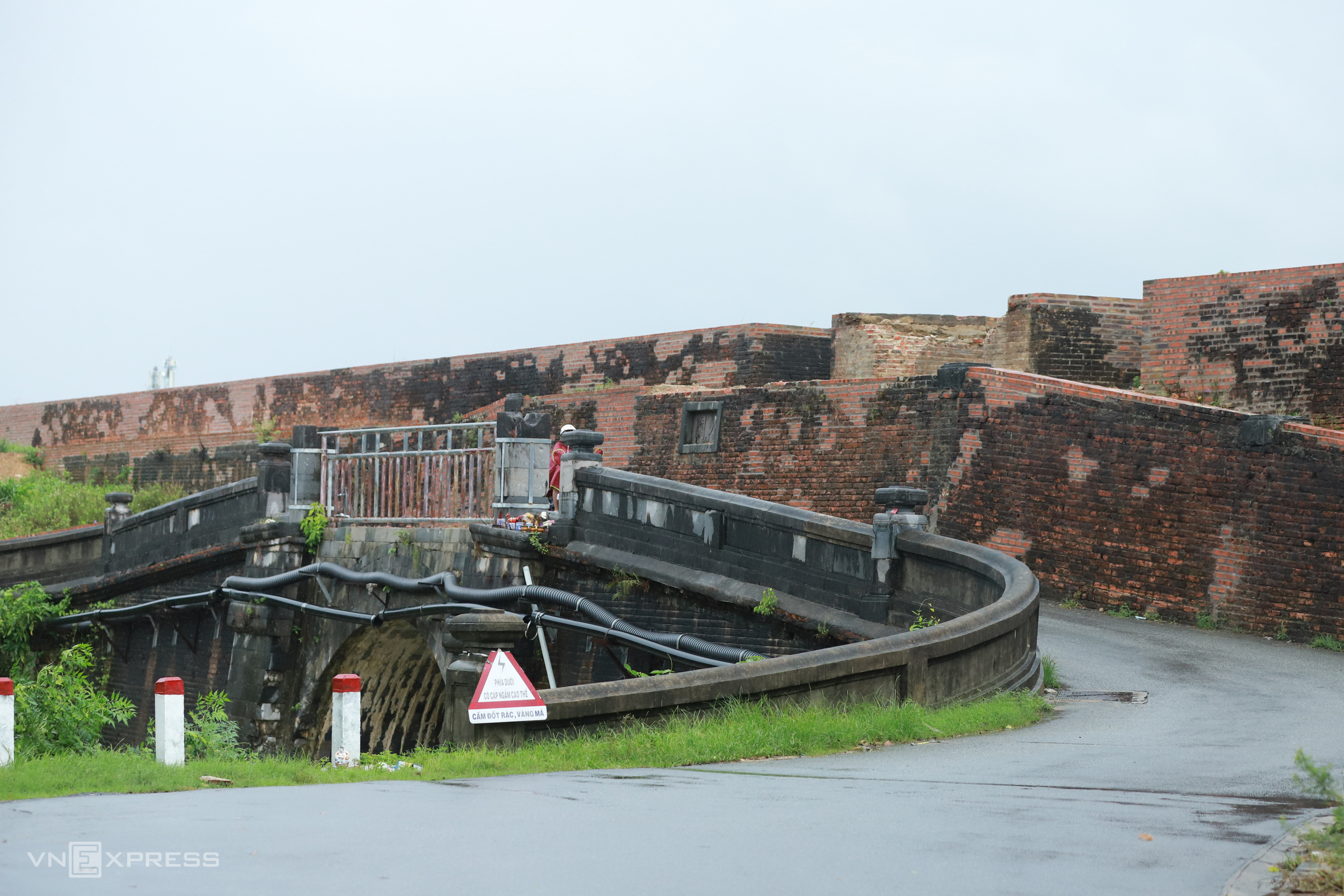 |
Thuong Thanh relic at Huu gate after pillbox dismantling. *Photo: Vo Thanh* |
The removal of these structures, particularly at Tay Thanh Thuy Quan and Dong Thanh Thuy Quan, required careful planning due to their impact on local traffic. According to Lieutenant Colonel Ngoc, the Engineer Company collaborated with local police and Phu Xuan ward authorities. They conducted operations at night to minimize disruption, managing traffic flow and ensuring public safety during the dismantling process.
Since 30/7, the Engineer Company of the Hue City Military Command has been systematically dismantling various combat structures within Hue Imperial City. This extensive project included the removal of 26 pillboxes, two hiding bunkers, two guard posts, and one anti-aircraft position. These constructions, originally built by the American military between 1957 and 1975, were deemed obsolete for national defense and detrimental to the historical landscape of the Nguyen Dynasty relics.
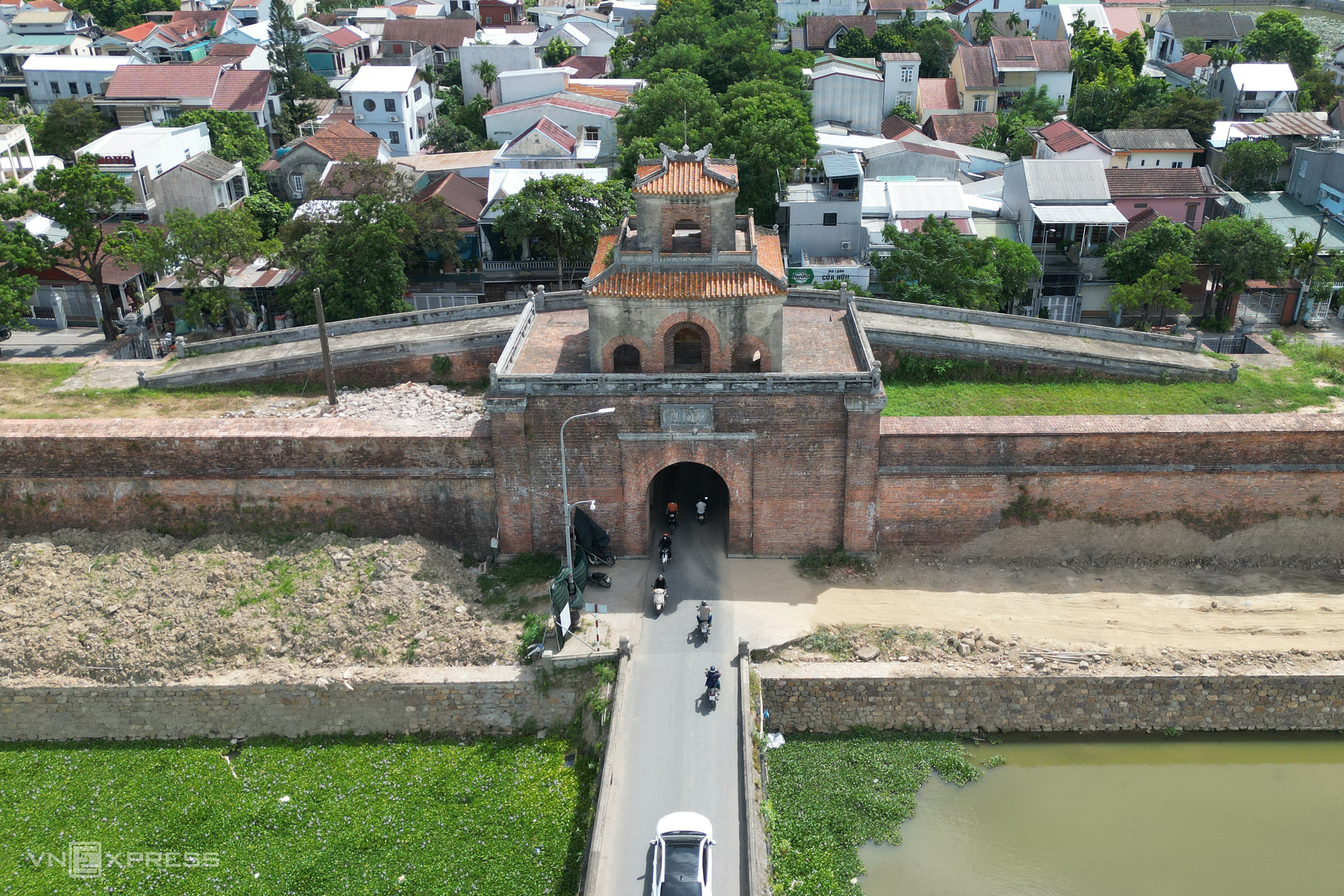 |
Hue Imperial City, a UNESCO World Heritage site, began construction under Emperor Gia Long and achieved its architectural completion under Emperor Minh Mang. Thuong Thanh forms a long defensive strip encircling the city. Beyond its 10 main gates, the Nguyen Dynasty also engineered two crucial river entrances to the Ngu Ha River, situated within the Imperial City: Dong Thanh Thuy Quan and Tay Thanh Thuy Quan. The recent dismantling efforts aim to restore the historical authenticity of these significant sites.
Vo Thanh