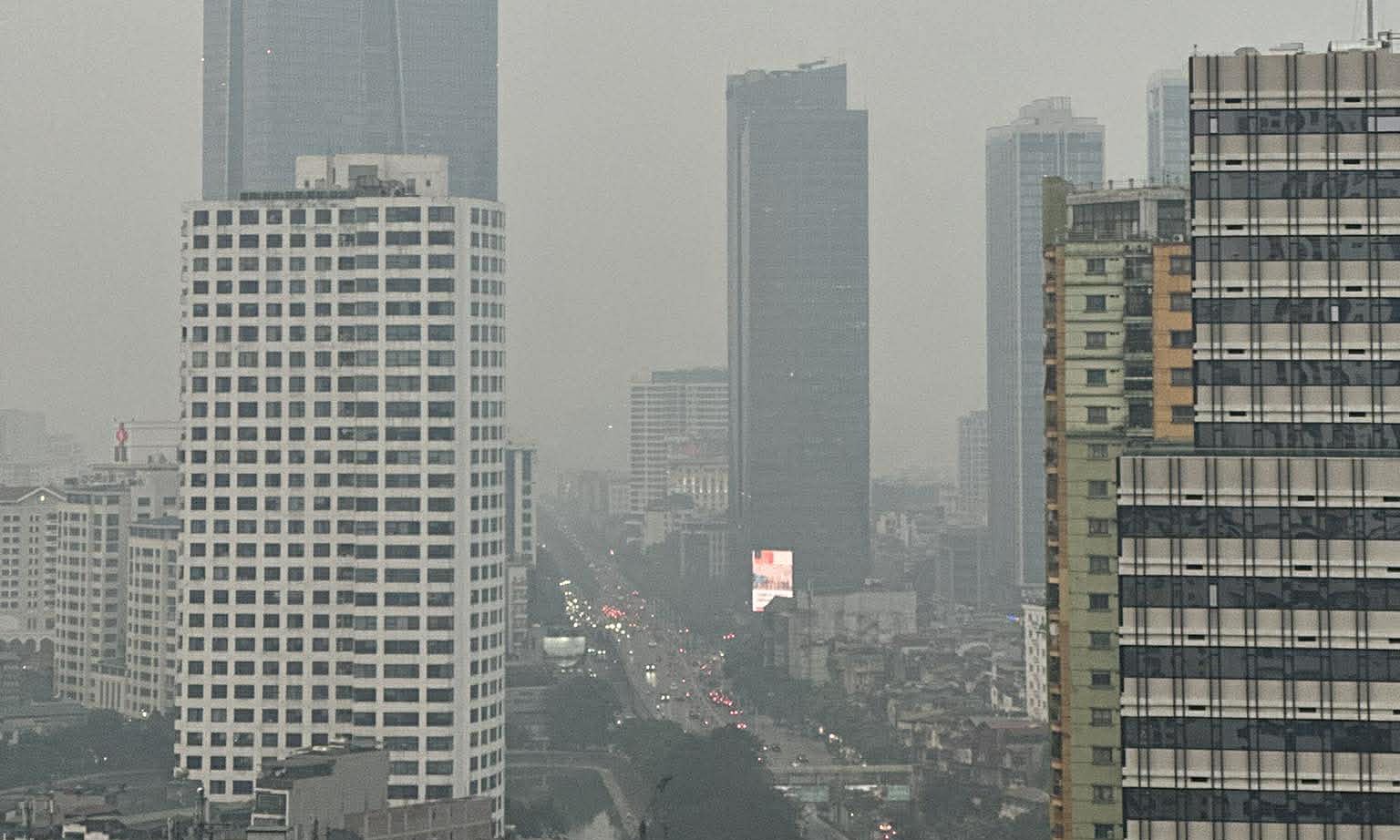
Hac Thanh Ward People's Committee is implementing a greening plan along several urban roads in central Thanh Hoa, focusing on major traffic arteries with median strips and vacant land. This significant urban landscape renovation targets areas such as: Le Loi Avenue, Tran Phu Street, Quang Trung Street, and Vo Nguyen Giap Street, aiming to enhance the landscape amidst increasing construction density.
The taiwanese almond tree (Terminalia mantaly) is the primary species chosen for this phase. According to Le Ba Hai, Chairman of Hac Thanh Ward People's Committee, the tree offers several advantages: strong vitality, drought resistance, minimal pests, an attractive canopy, year-round greenery, and lower investment costs compared to many other urban tree species. The ward's objective is to green vacant street sections and improve the overall aesthetic.
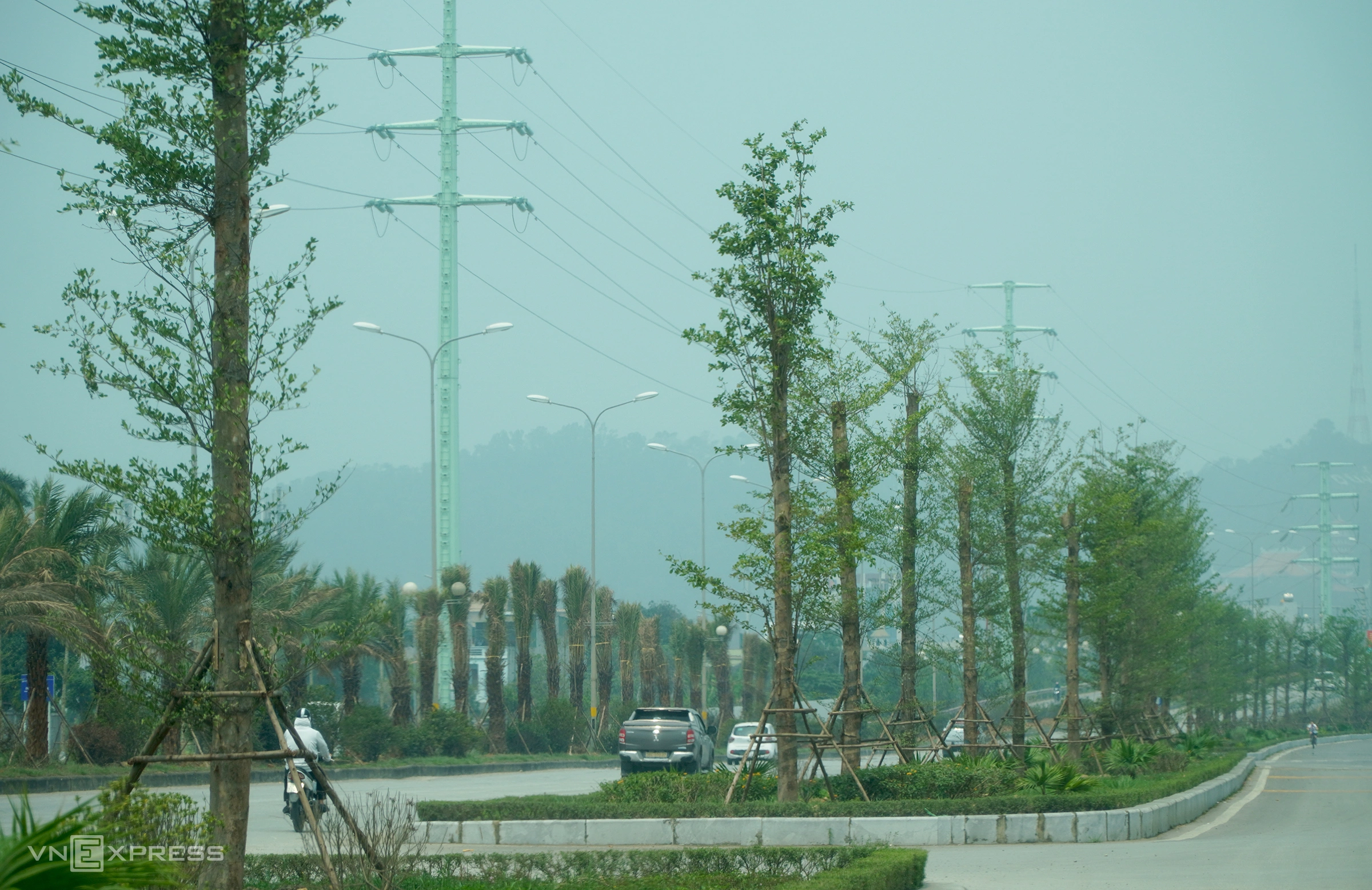 |
Taiwanese almond trees are being widely planted on many streets in Hac Thanh ward. Photo: Le Hoang
Under the plan, each taiwanese almond tree planted will have a trunk diameter of 10-15 cm and be approximately 5-6 m tall, spaced 8-10 m apart. The project's total investment exceeds 3 billion VND, with over 2 billion VND sourced from the state budget and the remainder mobilized through socialized funding. Hoang Cao Thang, Director of the Hac Thanh Ward Public Service Supply Center, reported that the project's implementation progress is currently about 80%, with efforts underway to complete the remaining work before 30/4.
In addition to almond trees, Hac Thanh Ward authorities are also planting imported date palms on some streets, including Nguyen Chi Thanh, Nguyen Thiep, and Lac Long Quan, to diversify the green infrastructure. However, due to their imported nature and high cost, date palms are being planted on a limited basis, primarily sponsored by large businesses.
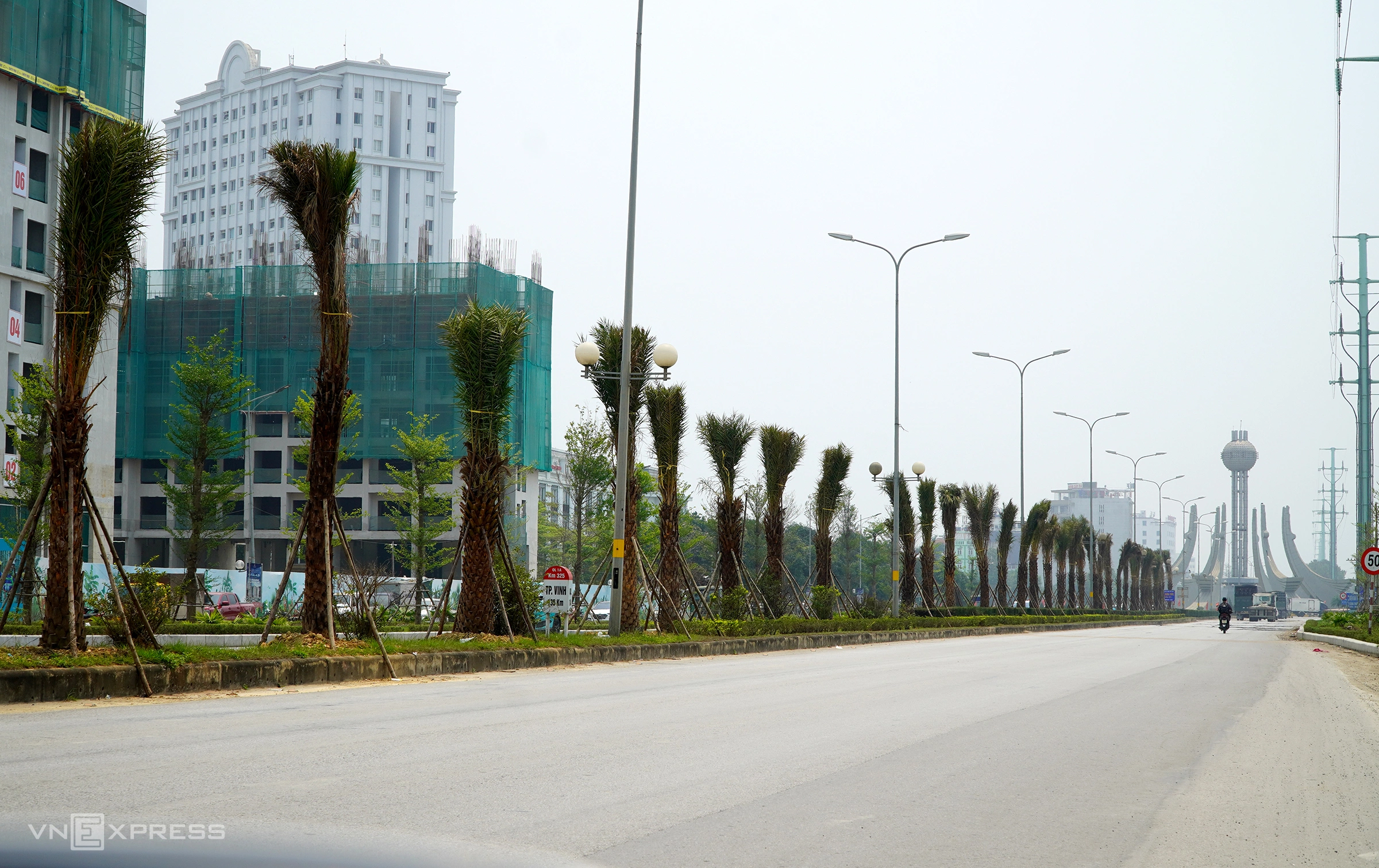 |
Date palms are encouraged by Hac Thanh Ward authorities for planting by businesses on other shorter roads such as Nguyen Chi Thanh and Lac Long Quan. Photo: Le Hoang
The taiwanese almond tree is widely planted in many major Vietnamese cities due to its straight form, neatly tiered canopy, and small leaves that shed infrequently and do not clog drains, making it suitable for modern landscapes. This species adapts well to various climatic conditions, requires low maintenance, and is commonly found along major roads, in new urban developments, and parks. However, its canopy is not expansive, offering limited shade compared to many native trees.
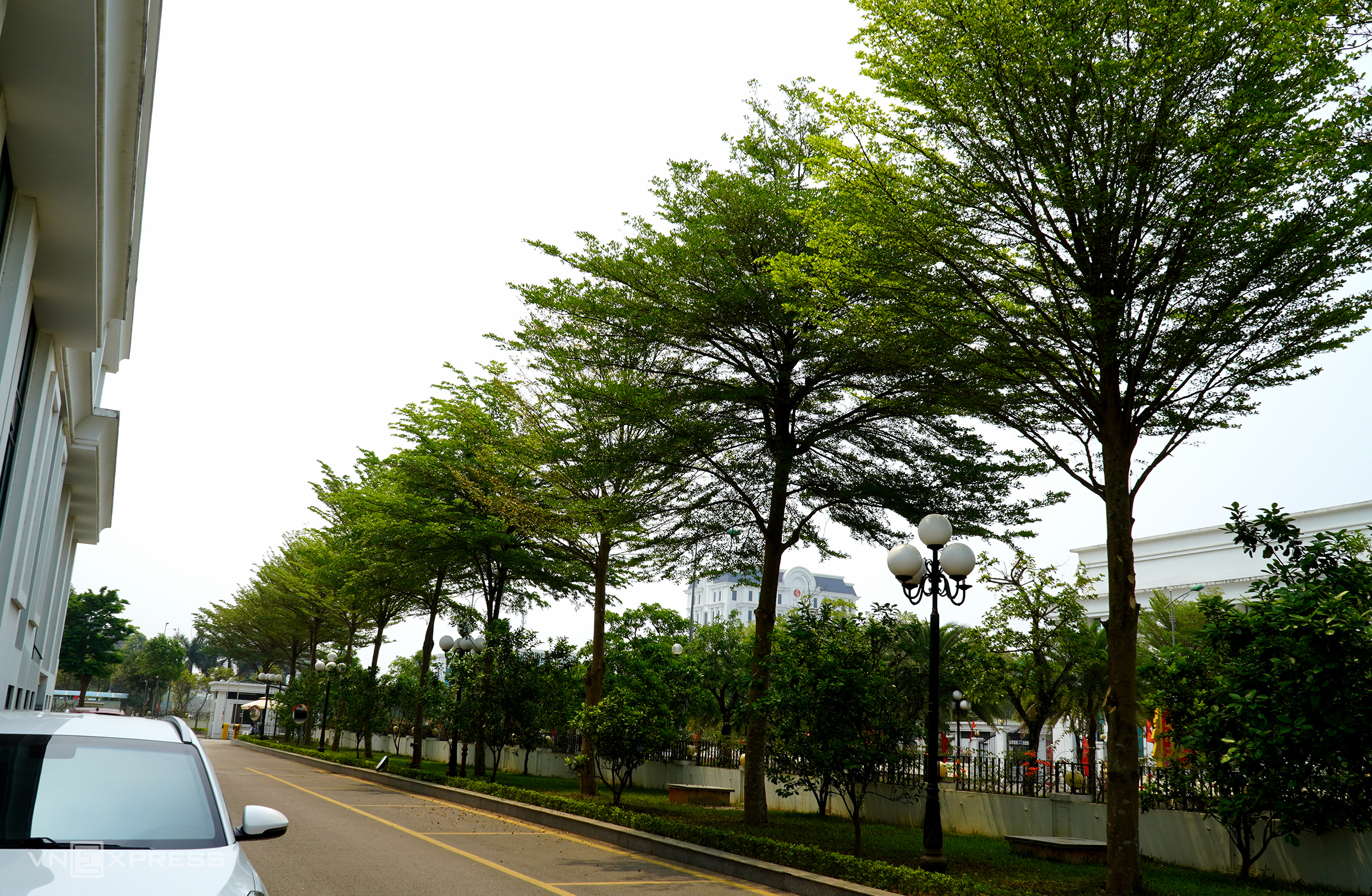 |
A row of taiwanese almond trees planted within the grounds of the former Thanh Hoa City Convention Center, now the headquarters of Hac Thanh Ward People's Committee. Photo: Le Hoang
Previously, taiwanese almond trees were not widely planted in Thanh Hoa, only appearing in some areas like Sam Son or newly planned residential zones.
Le Hoang