On the afternoon of 1/4, during a session of the National Assembly Standing Committee on socio-economic affairs, Le Thi Nga stated that food hygiene and safety issues have become increasingly complex over the past term, particularly in the last two years.
According to her, many serious cases have been uncovered, including fake functional foods, counterfeit beef, fake cooking oil, and violations at Ha Long Canned Food Joint Stock Company. The most recent incident involved African swine fever-infected pork being supplied to semi-boarding school kitchens in Ha Noi.
"I propose that the government conduct a nationwide food safety inspection to assess the current situation and implement decisive solutions, ensuring safety for citizens as public concern grows", said Le Thi Nga, standing vice chairwoman of the National Assembly’s Committee for Public Aspirations and Supervision.
 |
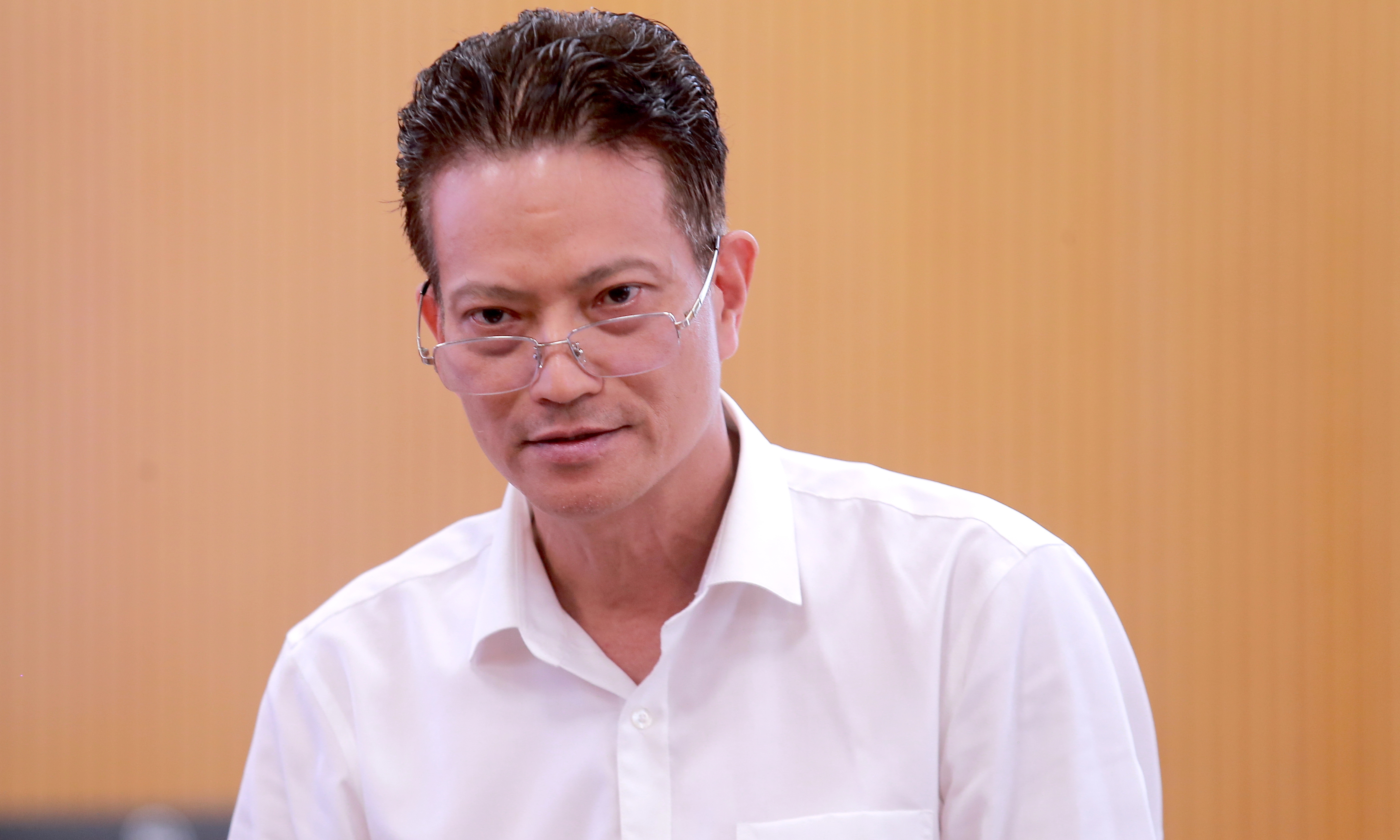
Le Thi Nga, standing vice chairwoman of the National Assembly’s Committee for Public Aspirations and Supervision, spoke on the afternoon of 1/4. Photo: Hoang Phong
Food safety violation cases have been complex recently, including the supply of unsafe food to schools, collective kitchens, and management-related irregularities.
On 17/3, the Economic Police Department of Ha Noi Police inspected a slaughterhouse in Van Phuc, discovering that Nguyen Thi Hien, the owner, was slaughtering pigs infected with African swine fever and colluding with quarantine officials to bypass control procedures.
Investigators determined that from early 2026 until now, this group has distributed approximately 3,600 infected pigs, equivalent to nearly 300 tons of meat, through wholesale markets, local markets, and supplied it to a food enterprise that delivered it to schools.
Previously, Hai Phong Police discovered about 130 tons of diseased frozen pork at a warehouse belonging to Ha Long Canned Food Joint Stock Company. From this raw material, the company processed over 1.7 tons of finished pate, equivalent to approximately 14,000 cans; some other products also tested positive for the African swine fever virus.
Additionally, in 1/2026, the Ha Noi People’s Court sentenced 55 defendants in a bribery case at the Food Safety Department (Ministry of Health), related to product appraisal, licensing, and post-inspection activities.
The violations primarily occurred during dossier appraisal, issuance of product declaration registration certificates, advertising content confirmation certificates, and good manufacturing practice certifications, with illicit payments ranging from 5 to 10 million VND per dossier through intermediaries.
According to current regulations, food safety management is assigned to various ministries and sectors, each responsible for specific stages in the chain. The Ministry of Agriculture and Environment manages livestock farming, slaughtering, quarantine, and animal product origins; the Ministry of Health, through the Food Safety Department, is responsible for managing food circulating in the market, processed foods, and collective kitchens; while the Ministry of Industry and Trade oversees the circulation and distribution of goods.
National Assembly delegates believe that the continuous discovery of violations in recent times necessitates a comprehensive review of food safety management, clarifying the responsibilities of agencies and units throughout the entire chain, from production and processing to consumption.
Son Ha