According to the administration, 19 Vietnamese-owned ships currently operate in the Middle East and need to pass through the Strait of Hormuz. These include 4 Vietnamese-flagged vessels and 15 foreign-flagged vessels. While some ships operate normally, others are anchored, awaiting favorable conditions to transit the area.
Following proposals from shipowners, the Vietnam Maritime and Inland Waterways Administration has recommended that the Ministry of Construction report to the Ministry of Foreign Affairs. This report would facilitate discussions with Iran, requesting assistance for the safe passage of Vietnamese ships and crew, prioritized as follows:
The highest priority group includes Vietnamese-flagged ships owned by Vietnamese enterprises, transporting goods between Vietnam and the Middle East. The second group comprises foreign-flagged ships owned by Vietnamese enterprises with Vietnamese crew members. The third group consists of foreign-flagged ships owned by Vietnamese enterprises, carrying foreign crew members and transporting goods outside Vietnamese territory.
Additionally, the administration requested facilitation for Vietnamese ships transporting crude oil and oil products from the Middle East to Vietnam, contributing to a stable energy supply. The administration also urged authorities to ask Iran to issue an official notice promptly, allowing Vietnamese vessels and crew to transit the Strait of Hormuz. This official notice is crucial for shipping companies to acquire risk insurance, as many insurance providers currently restrict services without confirmed transit conditions.
The Vietnam Maritime and Inland Waterways Administration further requested that the Ministry of Foreign Affairs instruct Vietnamese representative agencies in the Middle East to proactively monitor the situation. These agencies should promptly provide information and assist ships and crew members during emergencies.
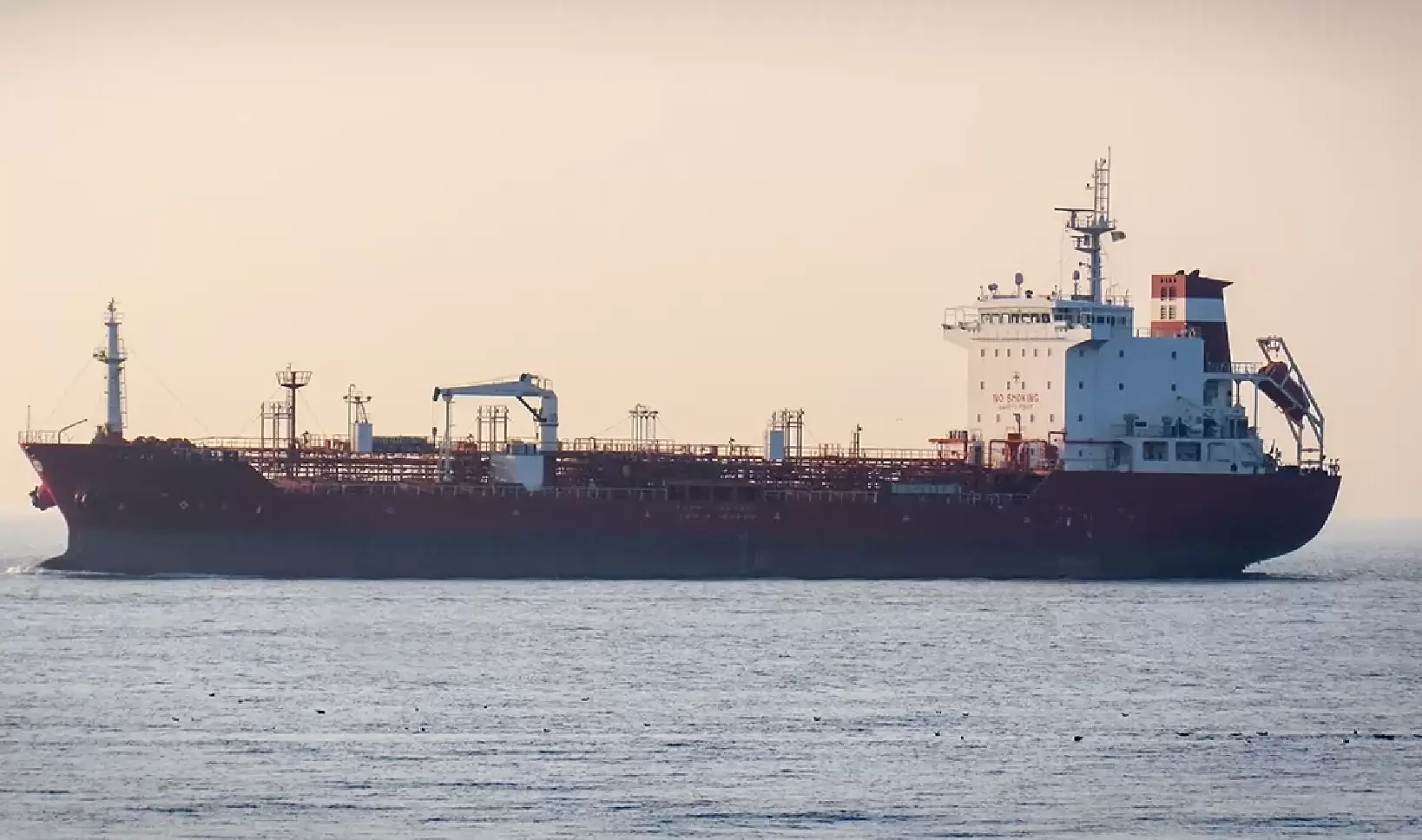 |
A Bangchak Group oil tanker from Thailand. Photo: The Nation
Amid complex regional developments and rising fuel costs, Vietnam's shipping fleet faces significant pressure, particularly on routes through the Strait of Hormuz. Many ships have had to alter their itineraries, increasing operational costs and risks, which impacts supply chains and import-export activities.
To support businesses, the Ministry of Construction called on maritime pilotage organizations to reduce service fees. Consequently, a minimum 10% reduction applies to Vietnamese-flagged vessels, especially oil tankers, when entering and departing ports between 1/4 and 1/5. Numerous pilotage organizations nationwide have agreed to implement these reductions, helping to lower logistics costs and support businesses in maintaining operations.
Doan Loan