 |
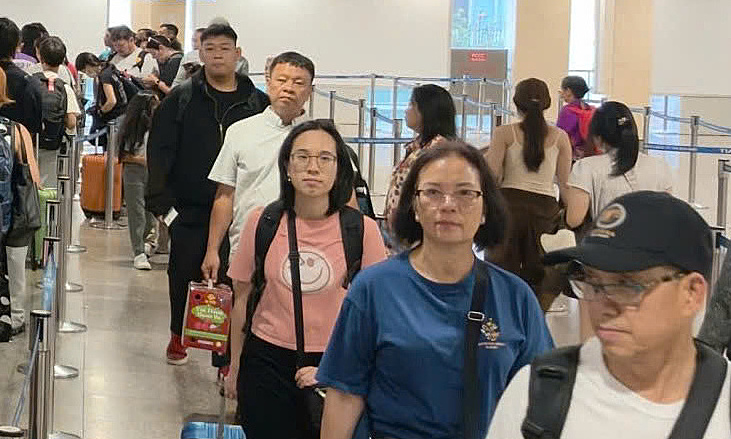
Hundreds of households in Hong Ha ward, located within the Tu Lien Bridge project's scope, are urgently relocating and handing over the site to facilitate the project's construction.
The Tu Lien Bridge and its approach roads span 5,15 km, with a total investment of nearly 20,000 billion dong. This will be the first bridge over the Red River to commence construction in 2025. The project's starting point connects to Nghi Tam street in Tay Ho district, while its end point links with Truong Sa street in Dong Anh district.
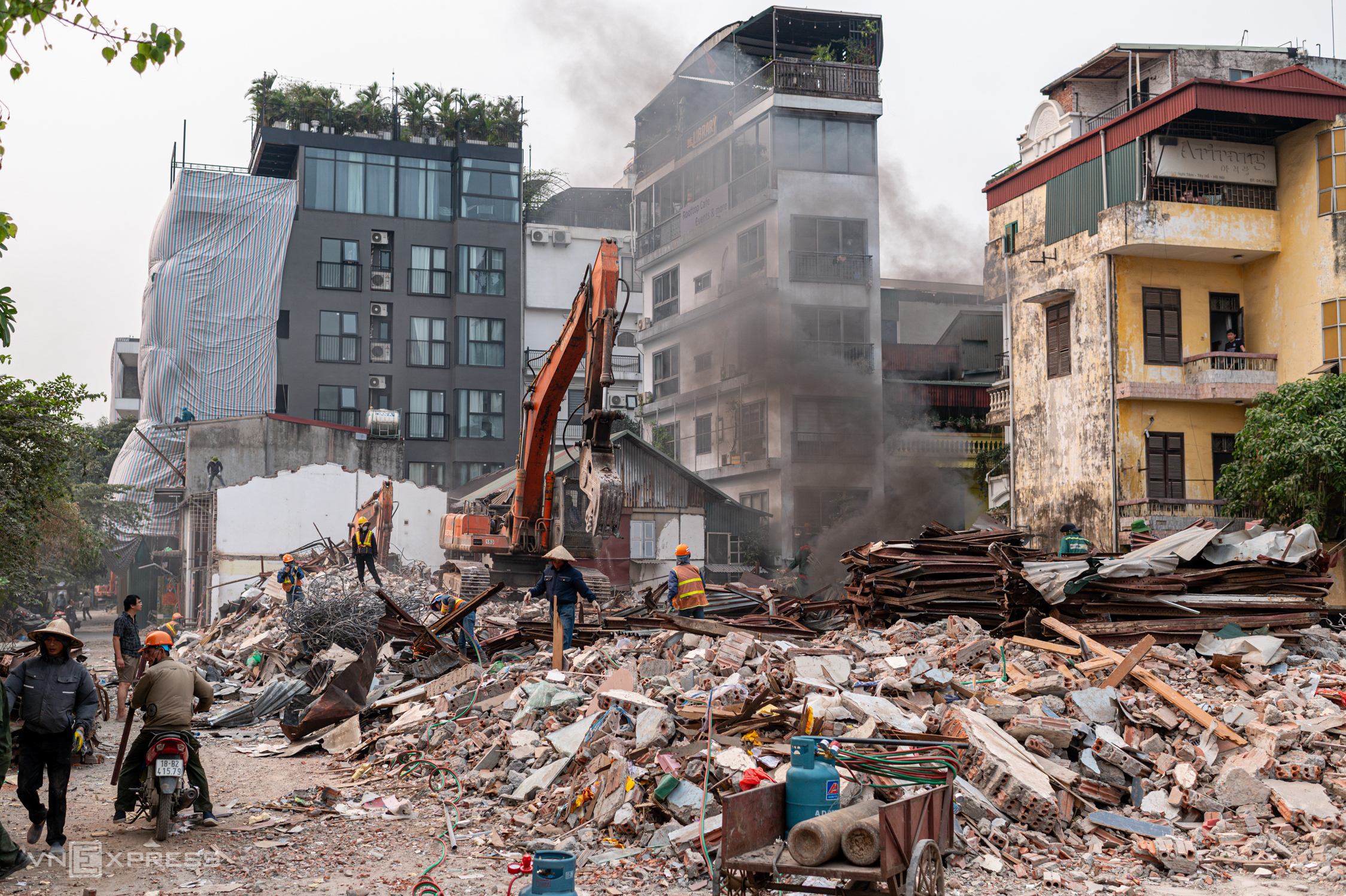
Households and businesses in alley 310 Nghi Tam are dismantling and relocating assets to hand over the site for the construction unit. In Hong Ha ward, to serve the Tu Lien Bridge project, authorities plan to reclaim nearly 294,000 m2 of land, corresponding to 732 plots, including: 339 residential plots with houses, 233 agricultural plots, 151 plots of alluvial land and mid-river shoals, and 9 plots managed by organizations.
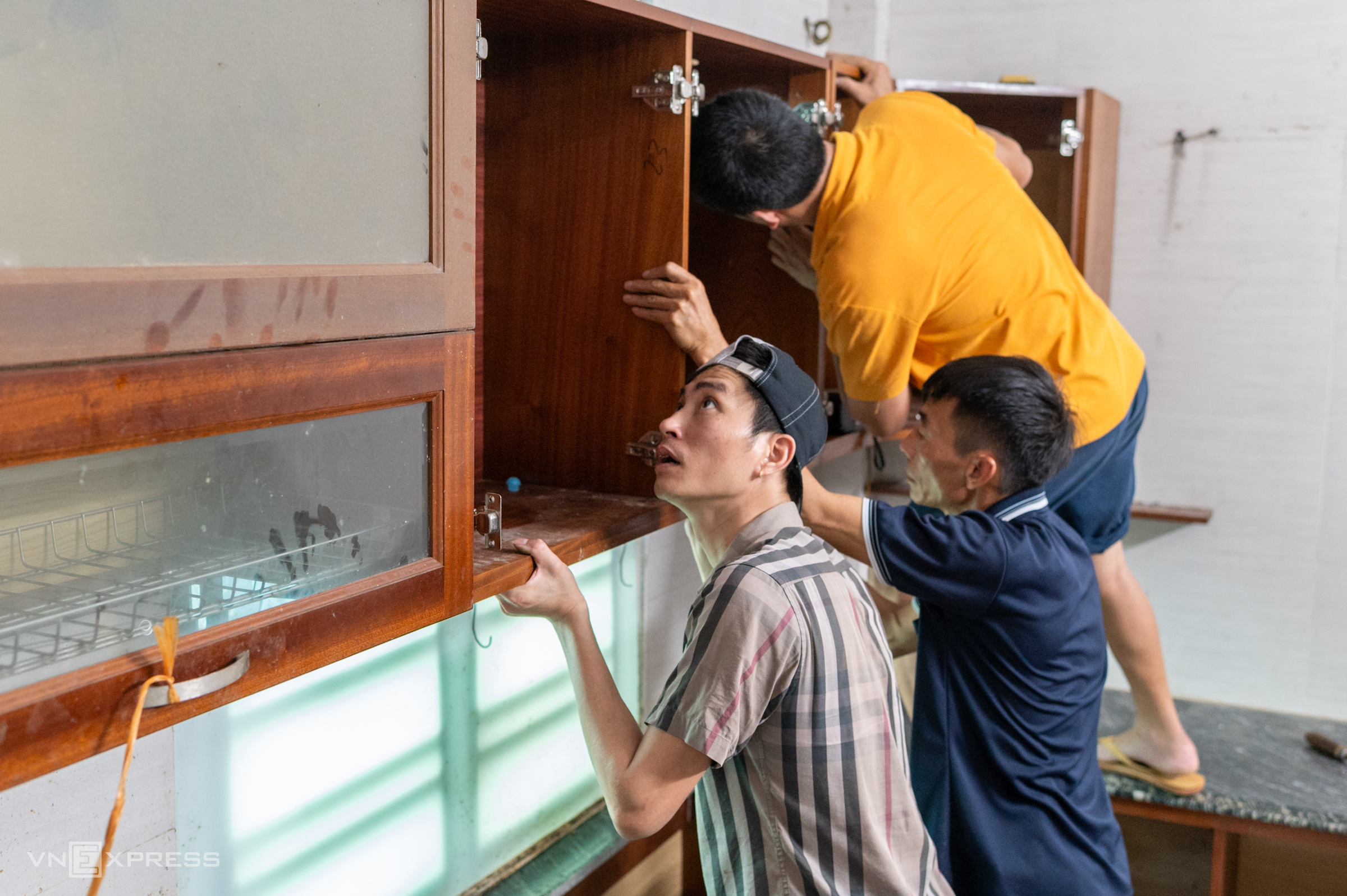 |
Nguyen Tien Hoa, a resident of alley 310 Nghi Tam, stated his family recognized this as a major city policy. They proactively dismantled their home and rented temporary accommodation to expedite site handover and ensure project progress.
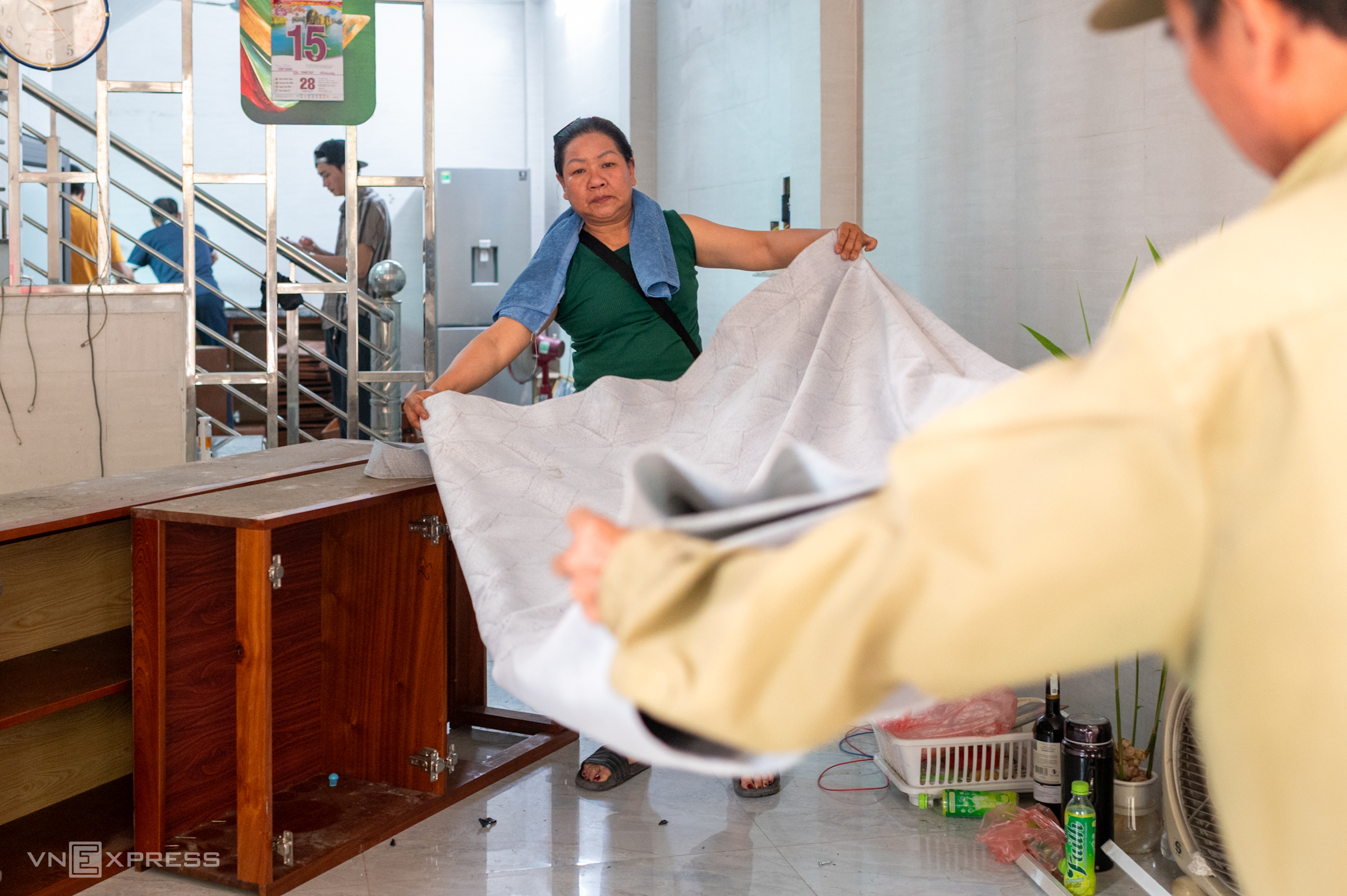 |
Busy moving belongings to their rented place, Tran Phi Bang and Nguyen Thi Nguyen said their family was small and had to rely on relatives for assistance with dismantling and transport. "Although we just drew lots for resettlement land and haven't seen it yet, the family is still strictly complying with the city's relocation request," said Nguyen.
Nearby, Bui Van Thinh stated his family signed the site handover record on 12/4 and hired a transport company to complete the asset relocation, ensuring progress. Currently, most households need to rent temporary accommodation. Hong Ha ward proposed support policies to accelerate land clearance, including recommending that the Hanoi City People's Committee supplement temporary housing support for households needing to rent homes, and simultaneously develop a specific mechanism for cases not yet eligible for resettlement to rent or purchase social housing.
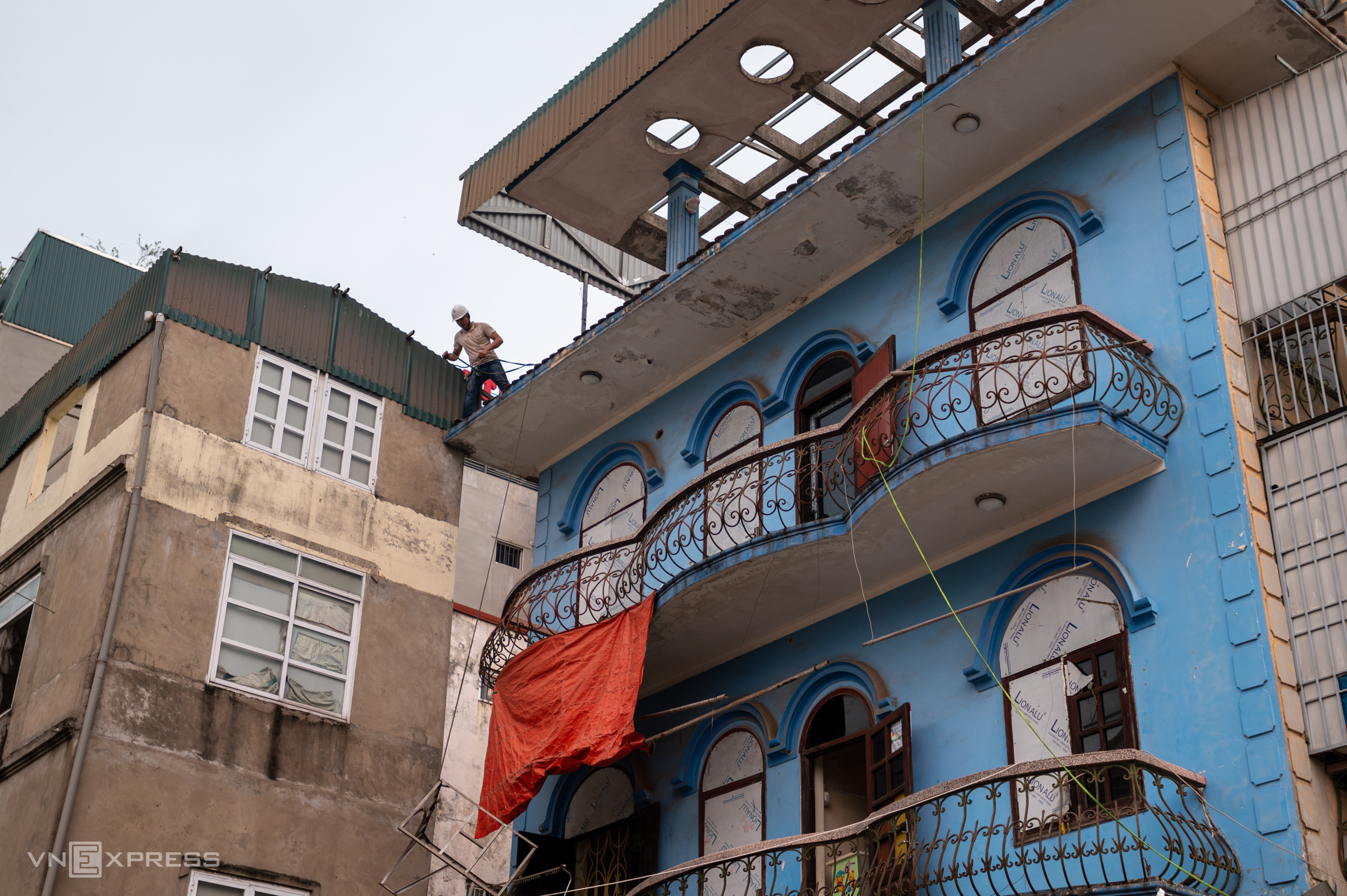 |
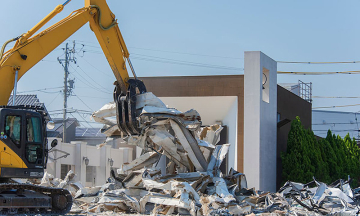
A three-story house in alley 310 Nghi Tam is currently being dismantled.
According to the Hong Ha ward People's Committee, due to the varying circumstances and wishes of each household, local authorities are increasing direct dialogue, addressing requests within their jurisdiction, and compiling issues beyond their authority to report to the city for timely consideration and resolution.
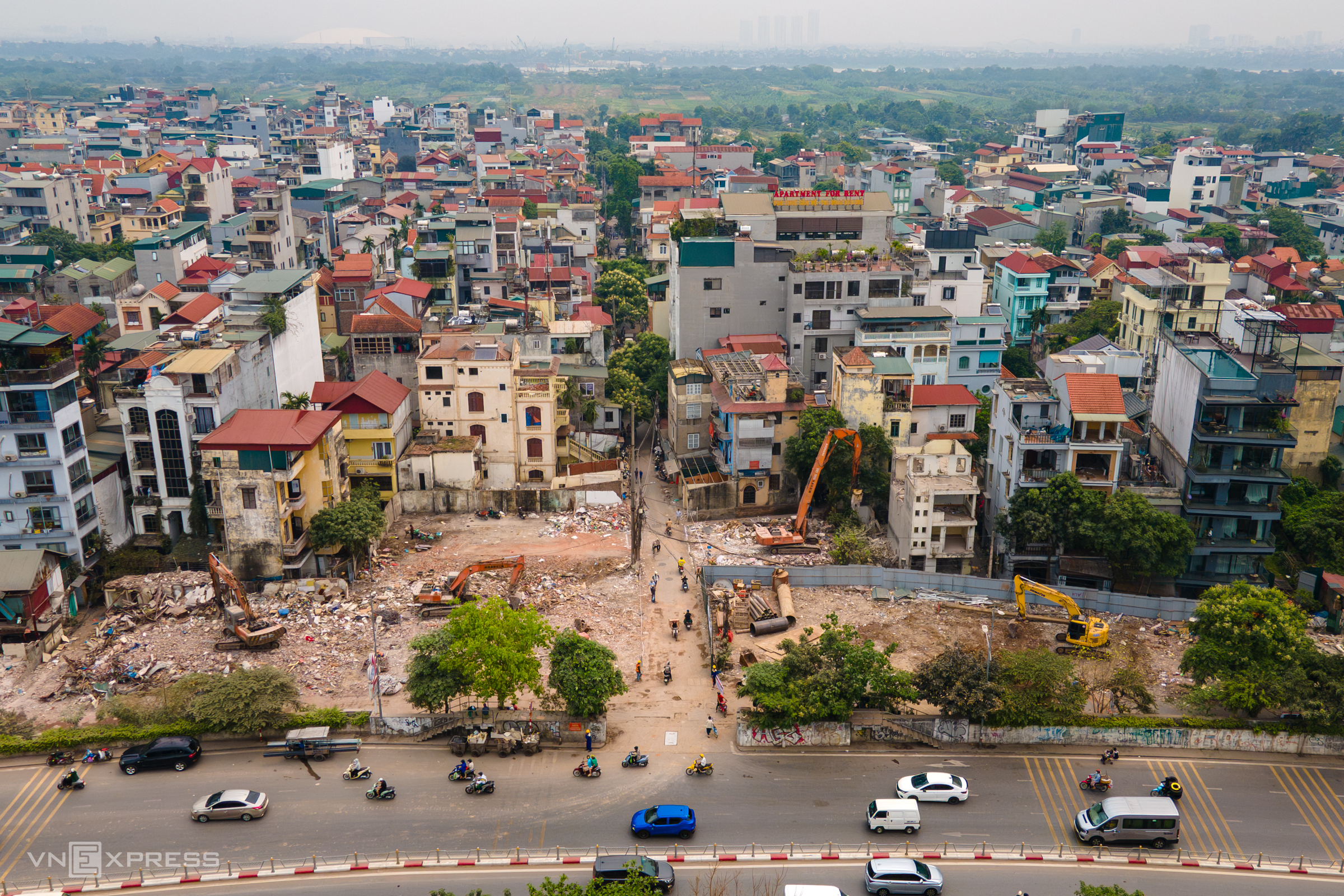 |
The dense residential area on Nghi Tam street is one of the key points in the land clearance efforts for the Tu Lien Bridge project.
According to the Hanoi Traffic Project Investment and Construction Management Board, the Tu Lien Bridge and its two approach roads have achieved nearly 80% land clearance; Hong Ha ward alone reached over 63%.
In the project area passing through Bac Cau street, extending across the Duong River to the Truong Sa street interchange, the site is now clear after land clearance. Many structures and houses within the project's scope have been dismantled, creating an open space for construction.
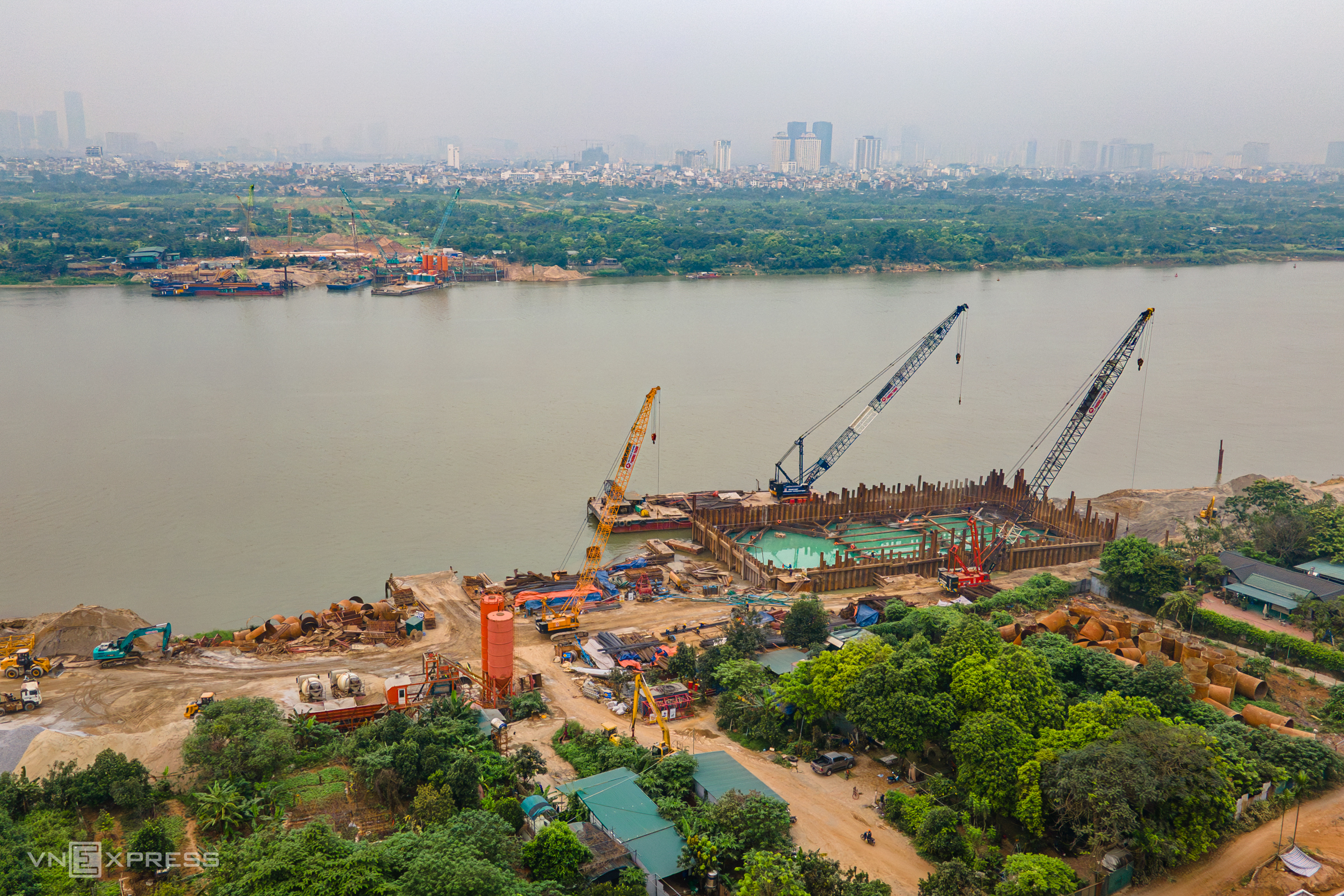 |
Many machines and workers have been mobilized for construction; several important items, such as main pier bored piles, underpasses, and the Nghi Tam interchange, are being implemented simultaneously.
According to the design, the Tu Lien Bridge and its approach roads have a total length of approximately 5,15 km, comprising four component projects, expected to be completed in 2027. The main bridge is a cable-stayed bridge, 43 m wide, with a main span of 500 m and towers 185 m high; the Nghi Tam approach road is 48 m wide, and the Dong Anh approach road (Truong Sa street) is 60 m wide, connecting synchronously with interchanges, underpasses, and technical infrastructure.
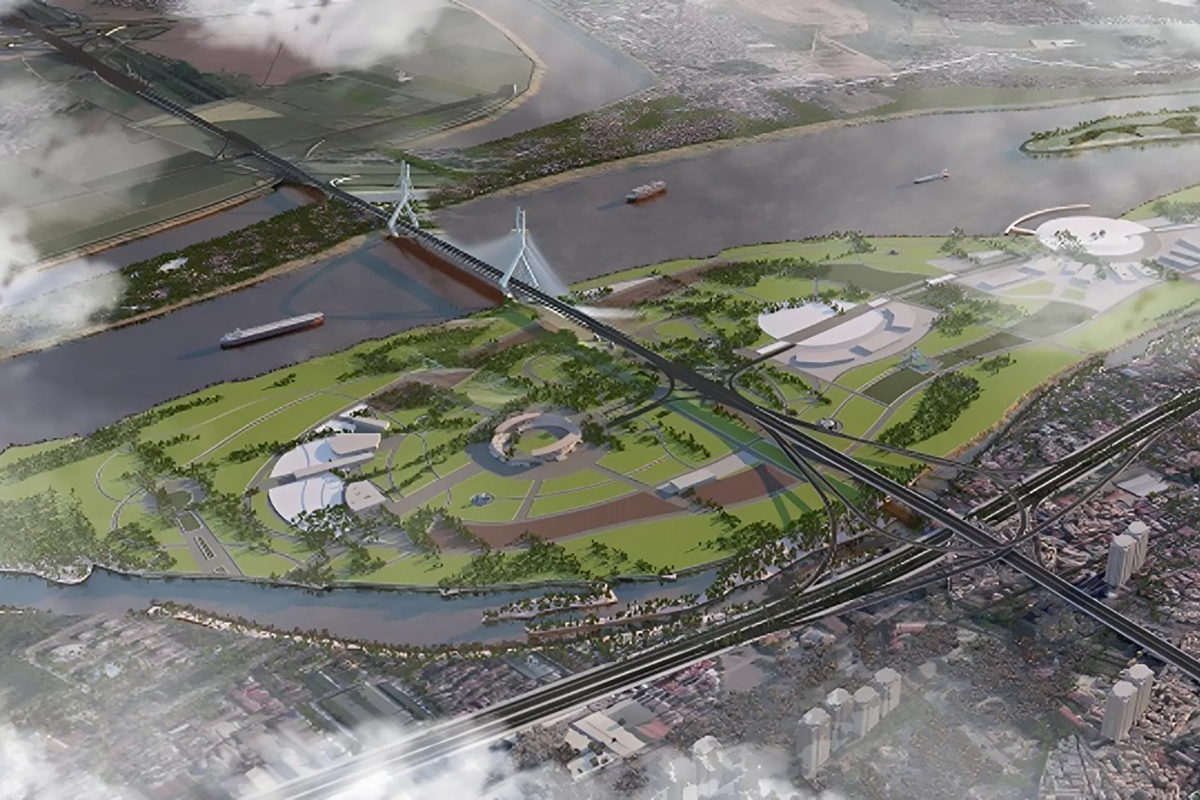 |
Tu Lien Bridge crosses the Duong River and Red River. *Graphics: Tam Thao*.
The Bang