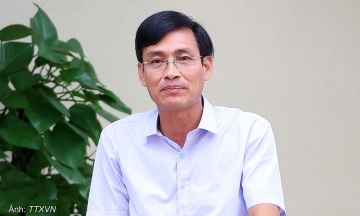
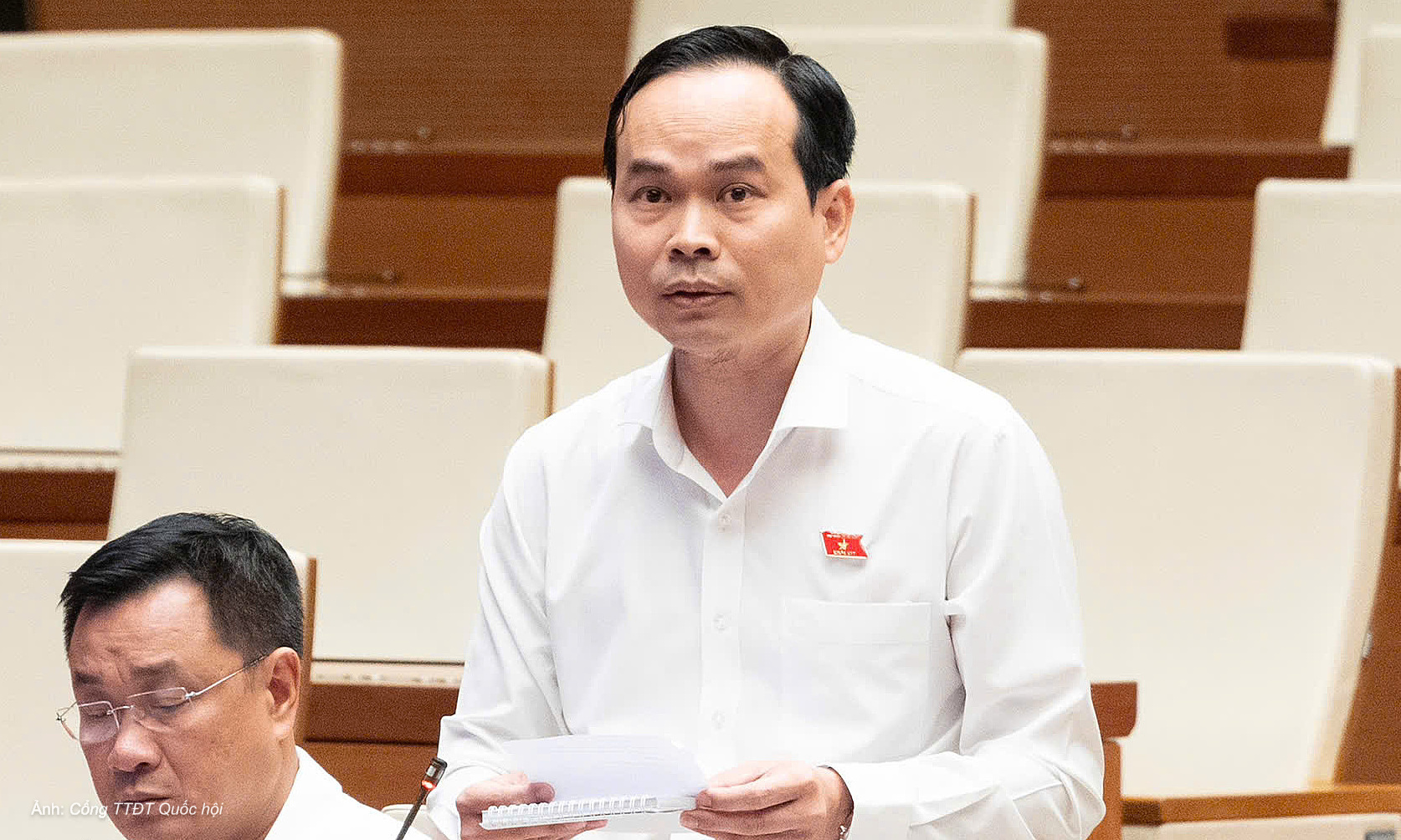
Mr. To Tu Ha, Deputy General Director of Airports Corporation of Vietnam (ACV), shared this information at the "From Drone to Kite: An Aviation Challenge in Urban Areas" seminar organized by Tuoi Tre newspaper on the afternoon of 21/8.
According to Mr. Ha, over the past year, the aviation sector has recorded 28 incidents involving UAVs (unmanned aerial vehicles, including drones and flycams) that impacted aviation operations. The first incident occurred at Tho Xuan Airport in mid-6/2025. The most serious event was at Tan Son Nhat on 11/8, when UAVs intruded twice, affecting more than 100 flights.
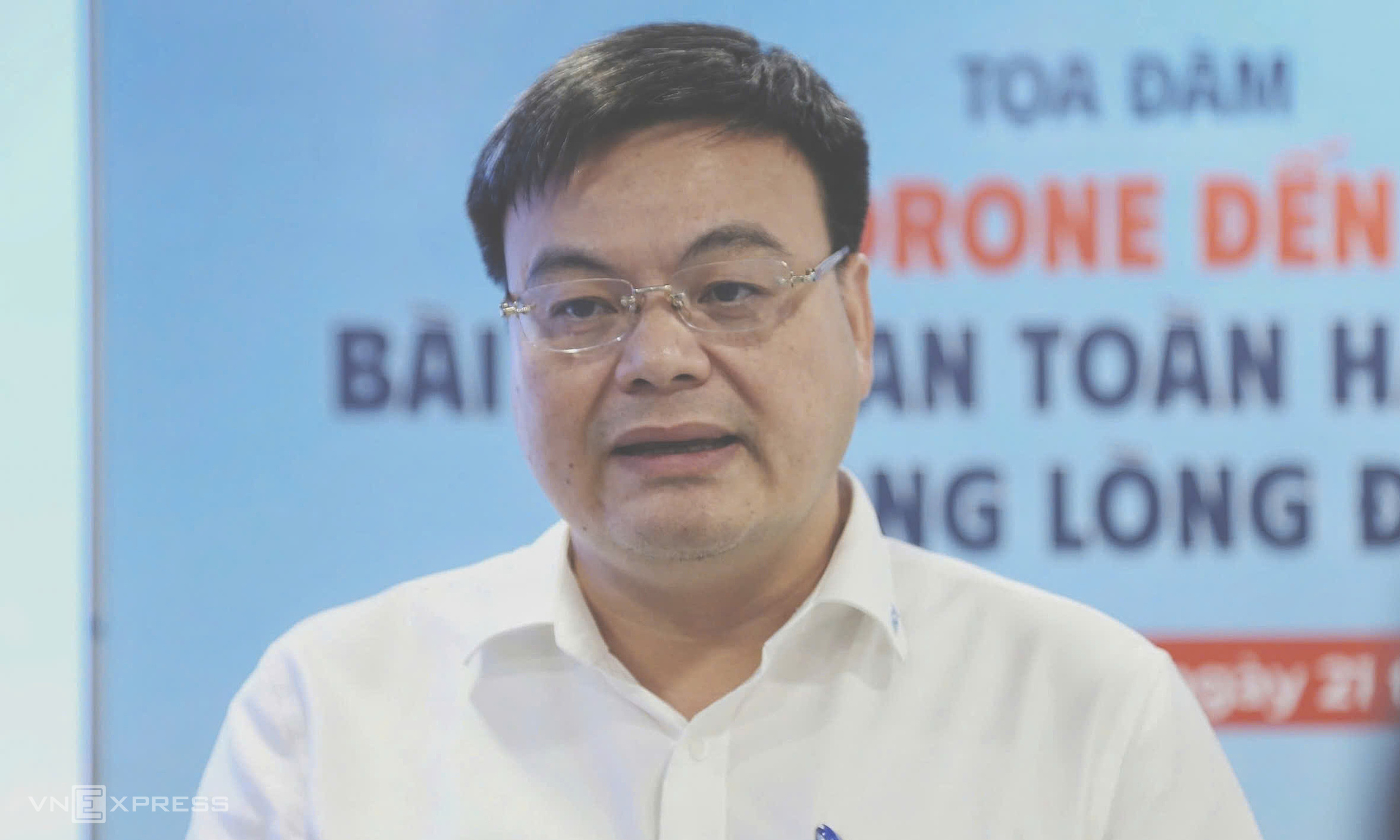 |
Mr. To Tu Ha, Deputy General Director of Airports Corporation of Vietnam (ACV), speaking at the seminar on the afternoon of 21/8. Photo: Dinh Van |
Mr. To Tu Ha, Deputy General Director of Airports Corporation of Vietnam (ACV), speaking at the seminar on the afternoon of 21/8. Photo: Dinh Van
Tan Son Nhat is an urban airport with high operational density, handling about 48 flights per hour. Mr. Ha stated that the approximately two-hour operational halt forced many domestic and international flights to circle or wait in the air. Normal operations only resumed nearly half a day later.
"The assessment of this incident's impact is only preliminary, not yet including damages incurred by airlines due to holding patterns, fuel consumption, and reduced operational efficiency," Mr. Ha noted.
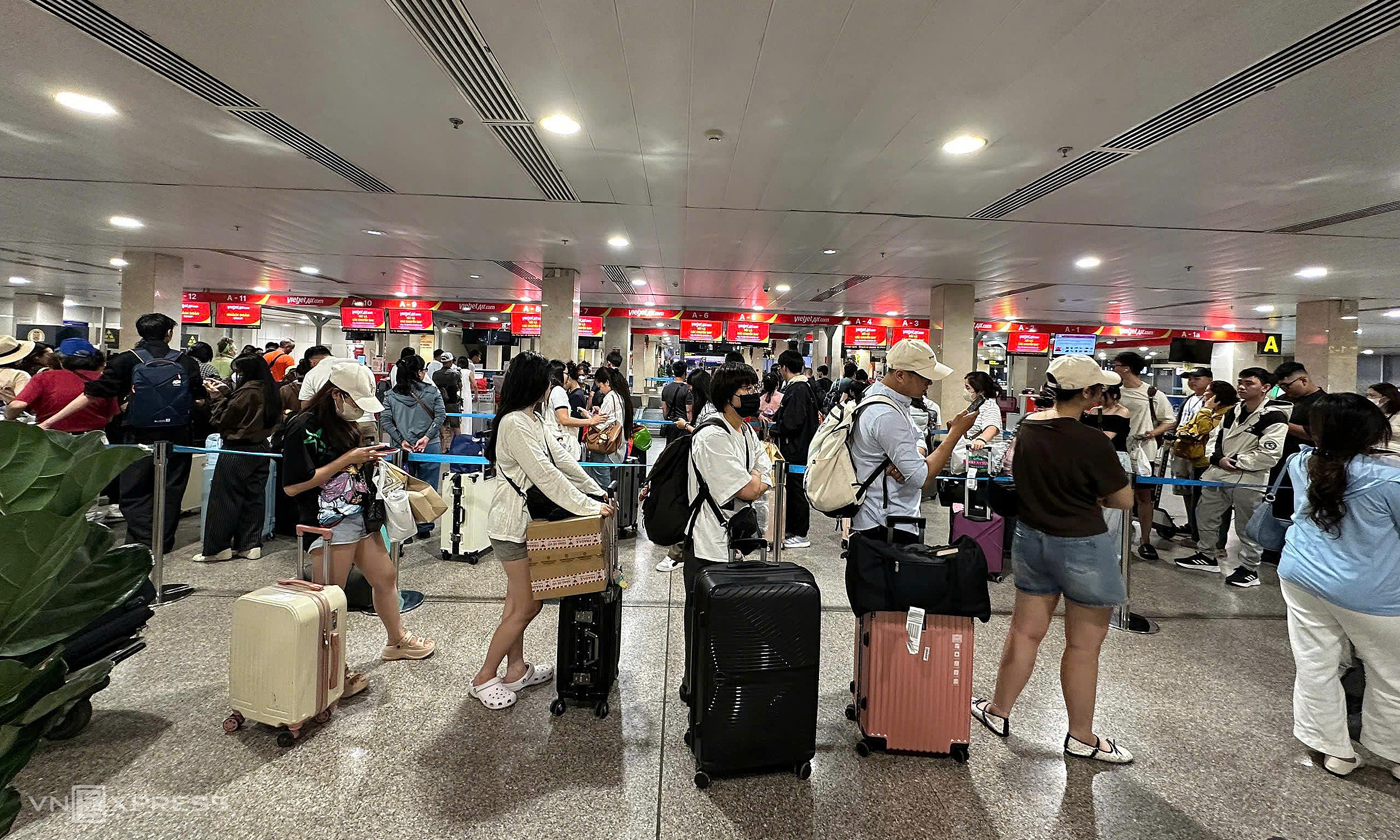 |
Passengers waiting to check in at Tan Son Nhat on the night of 11/8. Photo: Tuan Viet |
Passengers waiting to check in at Tan Son Nhat on the night of 11/8. Photo: Tuan Viet
According to ACV leadership, detecting and handling UAVs remains complex. Pilots primarily determine the relative position of the device compared to the aircraft, while detection systems rely on observation and binoculars. Small UAVs can change direction continuously, making them difficult to track.
From a local management perspective, Mr. Nguyen Khac Minh, Deputy Head of the Culture - Social Department of Tan Son Nhat Ward People's Committee, explained that many people purchase flycams out of curiosity for filming and photography but do not pay attention to safety corridors. Some event organizers, despite being licensed to fly flycams, exceed height or operational range limits, making local control difficult.
Mr. Minh added that there are insufficient warning signs, such as no-fly zone markers, in vacant lots and areas near the airport for residents to recognize.
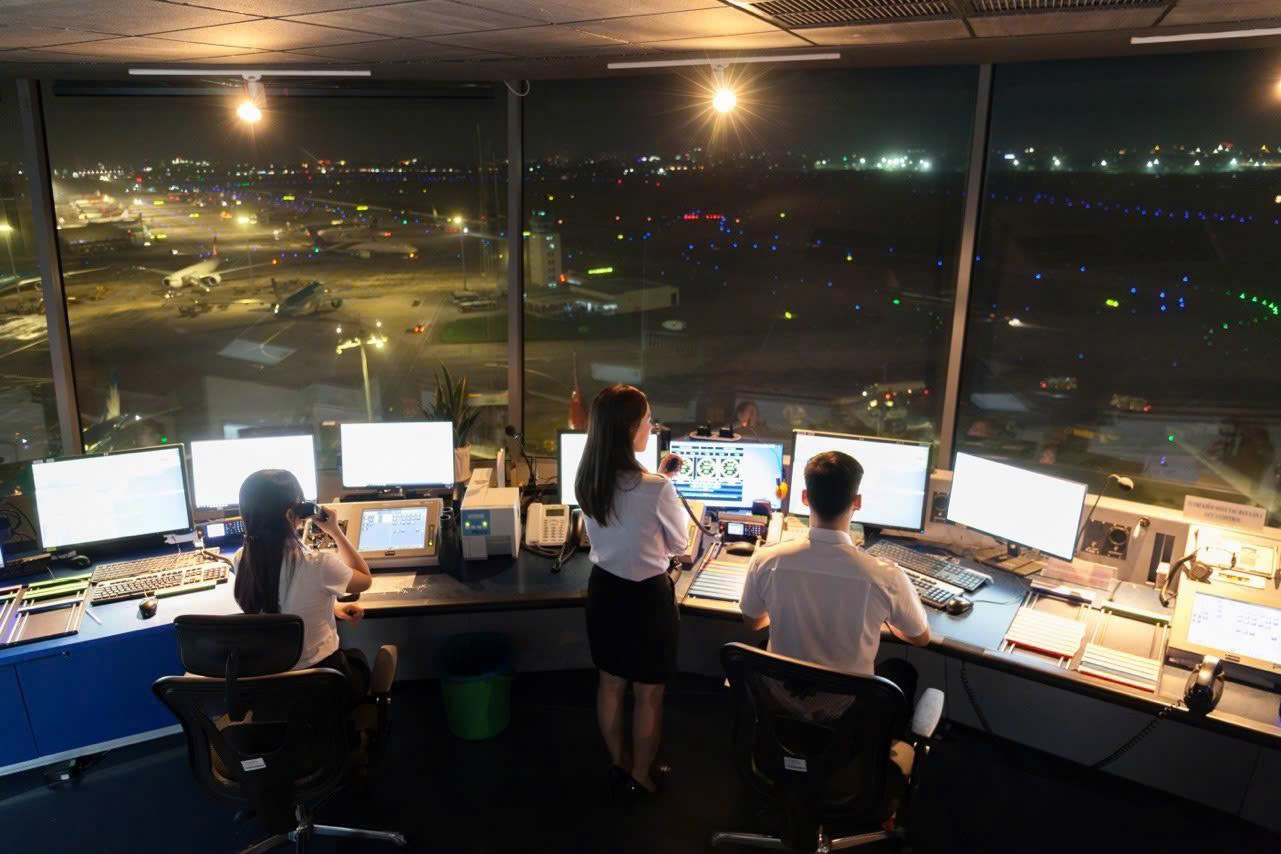 |
Tan Son Nhat air traffic control tower team on duty. Photo: VATM |
Tan Son Nhat air traffic control tower team on duty. Photo: VATM
Regarding solutions, ACV Deputy General Director To Tu Ha proposed that authorities strictly manage UAVs from import, registration, and identification to granting control permits, which would facilitate tracing and penalizing violators.
In terms of technical equipment, Tan Son Nhat Airport received two UAV early warning and monitoring systems developed by the Ministry of Public Security on 21/8 for trial operation.
Associate Professor, Doctor Nguyen Thien Tong, former Head of the Department of Aeronautical Engineering, Ho Chi Minh City University of Technology, suggested that specialized agencies need to develop appropriate policies to both manage UAVs and create a framework for these devices to serve commercial, service, and recreational purposes.
According to Mr. Tong, it is necessary to develop a low-altitude economic ecosystem instead of completely banning UAVs or excessively limiting their operational space.
Dinh Van