In Ca Mau, the haze was most noticeable in the early morning but persisted throughout the day with varying intensity, slightly reducing visibility. A similar phenomenon was observed in Can Tho, An Giang, and some southwestern sea areas like Nam Du island from the afternoon of 14/9 to the morning of 15/9.
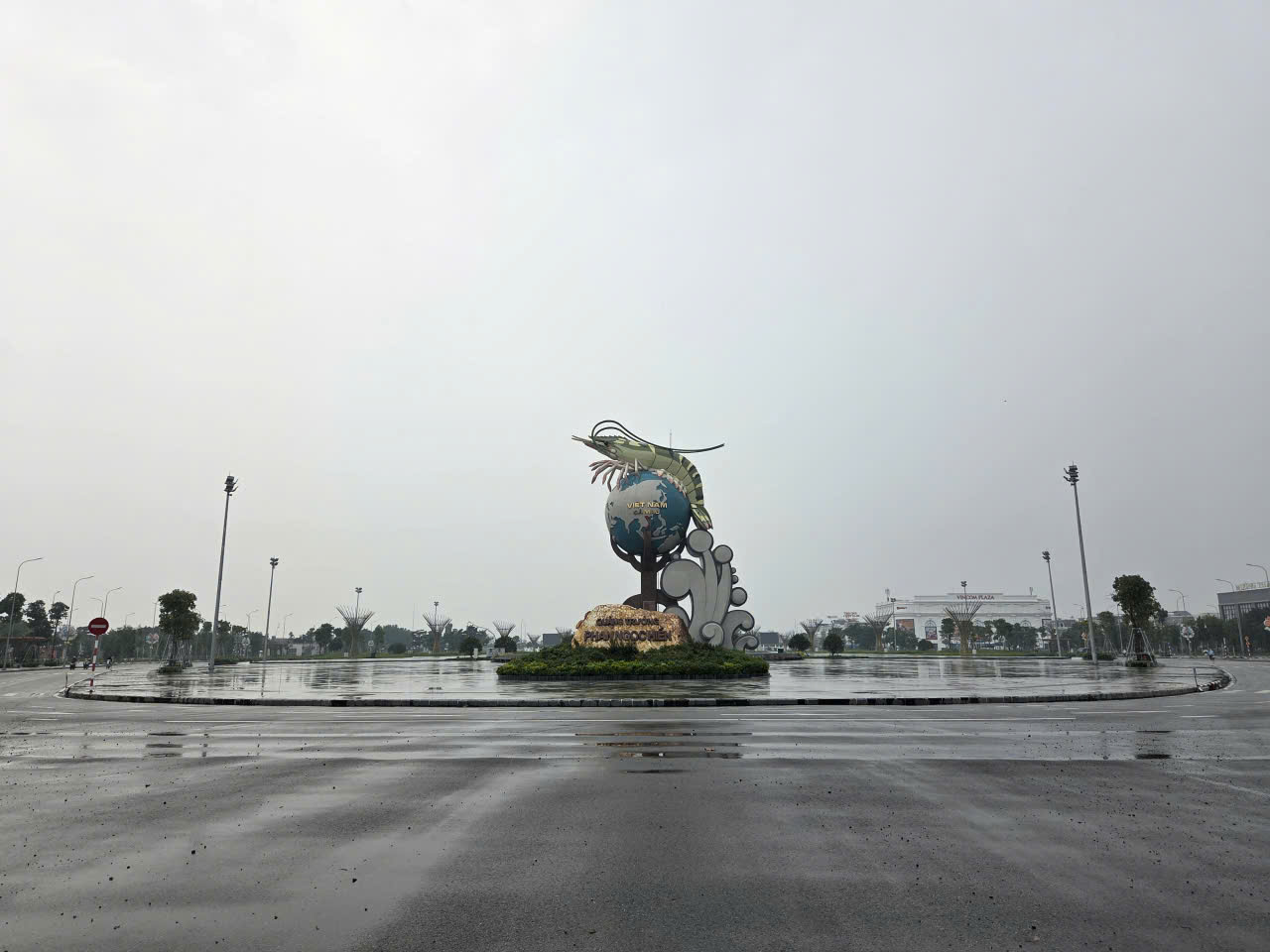 |
A murky sky at noon on 15/9 in An Xuyen ward, Ca Mau province. Photo: Chuc Ly |
Huynh Minh Nhan, director of the Ca Mau Provincial Hydrometeorological Station, stated that in recent years, the province has not recorded such a prolonged hazy phenomenon. Data from the Ca Mau Meteorological Station indicates that current weather conditions are not conducive to the formation of fog according to meteorological patterns.
One possibility noted by specialized agencies is cross-border haze. Indonesia currently has many forest fire hotspots in Sumatra and Kalimantan, and smoke could spread across countries in the region. However, more data is needed to determine the extent of the impact on the Mekong Delta.
In 2015, the Southern region recorded a similar phenomenon in Ca Mau, Can Tho, Ho Chi Minh City, and other areas. At that time, smoke from forest fires in Indonesia was identified as a contributing factor to dry haze.
Tran Van Hung, deputy director of the Southern Hydrometeorological Station, also believes this phenomenon is not solely due to meteorological factors like wind and humidity. However, the specific cause requires additional monitoring data on fine particulate matter and air quality.
Authorities advise that reduced visibility could impact traffic, especially in the early morning and on busy routes. If the air contains fine particulate matter or pollutants, children, the elderly, and individuals with respiratory illnesses should limit prolonged outdoor activities.
While awaiting the cause to be determined, residents should limit unnecessary outdoor excursions, wear masks, and use appropriate protective measures.
Chuc Ly - Dinh Van