Associate Professor Vu Hai Quan, 52, from Ninh Binh province, is a member of the 13th and 14th Party Central Committees and a National Assembly deputy for the 15th and 16th terms. He is an expert in artificial intelligence and serves as vice chairman of the Ho Chi Minh City advisory council for research and development of artificial intelligence applications.
Before being appointed permanent deputy minister of science and technology in 9/2025, he served as director of Vietnam National University, Ho Chi Minh City.
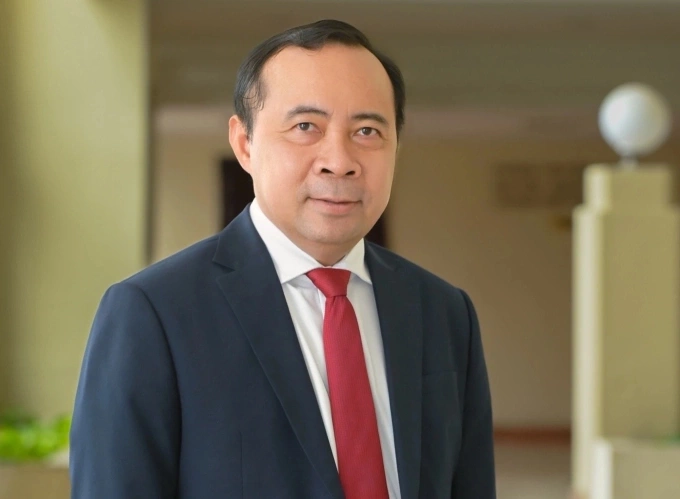 |
Associate Professor Doctor Vu Hai Quan, permanent deputy minister of science and technology. Photo: Hoang Phong |
Associate Professor Doctor Vu Hai Quan, permanent deputy minister of science and technology. Photo: Hoang Phong
Running for National Assembly deputy in electoral unit 4, Quang Ngai province, Associate Professor Vu Hai Quan stated he would leverage his experience as a scientist and manager to promptly convey voters' opinions to the National Assembly and the government.
He announced plans to promote innovation in agriculture and forestry, supporting brand building and traceability for local specialty products such as Ngoc Linh ginseng and Tra Bong cinnamon. He also proposed advancing digital transformation at the commune level through online public services, telemedicine, and digital education to narrow the development gap between mountainous and urban areas.
Associate Professor Vu Hai Quan also pledged to help build a legal system that is practical at the grassroots level and propose completing specific mechanisms for digital infrastructure, transportation, education, healthcare, and clean water for residents. He emphasized preserving and promoting the cultural values of ethnic minority communities, including the gong culture space of the Ba Na, Gia Rai, and Xo Dang ethnic groups, linked to the development of cultural life in Quang Ngai's mountainous communes.
Additionally, he proposed increasing training for grassroots officials from ethnic minority groups while developing policies to help students from disadvantaged areas access higher education and vocational training based on a "training linked to employment" model, enabling graduates to return and serve their local communities.
In the new development phase orientation, science, technology, and innovation are identified as key drivers for achieving double-digit economic growth, coupled with improving labor productivity and growth quality. Policies focus on increasing investment in research and development, promoting digital transformation, developing digital infrastructure, and forming an innovation ecosystem where businesses play a central role, and the state acts as a facilitator and leader.
Viet Tuan