Doctor Naheed Ali, a senior consultant at Vera Clinic in Turkey, states that continuous fan airflow puts significant pressure on the body. Fans cool skin by accelerating water evaporation. Prolonged direct airflow dries out the nasal passages and throat. Lacking moisture, the respiratory system automatically produces thicker mucus to trap allergens. This can lead to symptoms like coughing, hoarseness, or sinus congestion.
Additionally, cold air exposure to muscles and joints for 7-8 hours lowers tissue temperature. The body's immediate defensive response is to contract these muscle areas.
"The most common symptoms after a night of direct fan exposure include a stiff neck and sore shoulders," Ali said. He advises warm showers or gentle stretching in the morning to restore blood circulation.
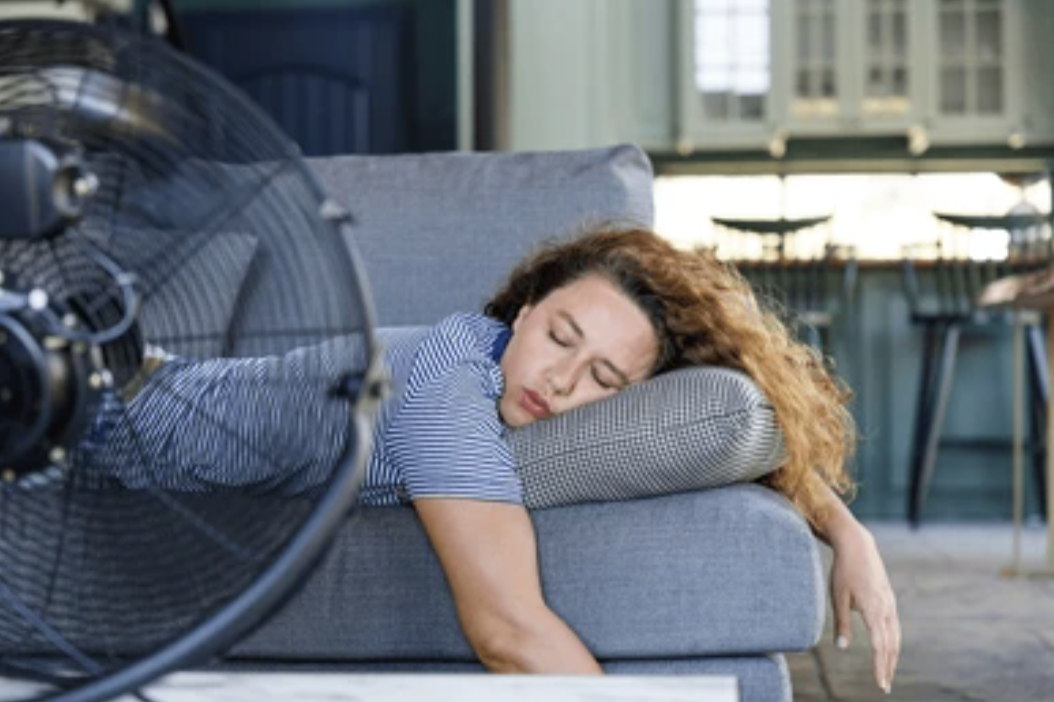 |
Sleep experts indicate that directing a fan at the body can harm health. Illustration: Shutterstock |
Sleep therapist Natalie Pennicotte-Collier from MattressNextDay in the UK further analyzed the negative effects on the rest cycle. While cooling devices offer initial comfort, as room temperatures drop in the morning, continuous airflow hinders the body's natural temperature regulation process, which is necessary for waking up.
"Continuous airflow interrupts sleep, causing slight awakenings as the body attempts to self-regulate its temperature," Natalie said.
To protect health, Doctor Anis Khalaf, a traditional medicine specialist in the US, advises people to turn the fan away from their bodies to maintain bedroom air circulation.
Doctor Naheed Ali suggests setting a timer to turn off the fan after the first 90-minute sleep cycle. Users can also direct the fan towards a wall opposite the bed and keep a glass of water nearby to replenish hydration upon waking.
Minh Phuong (According to Ladbible)