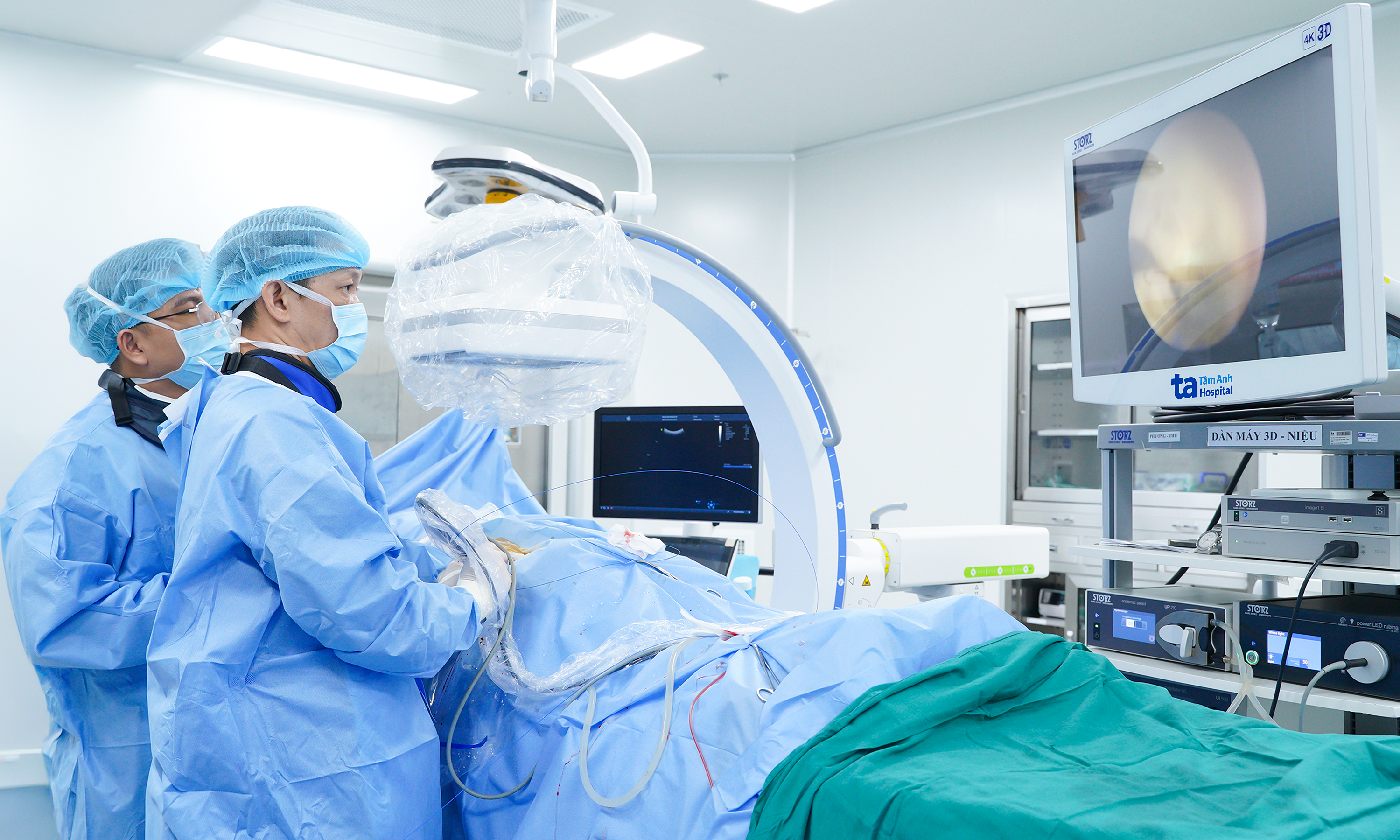
The patient was rushed to the International Cardiovascular and Stroke Center at Phuong Dong General Hospital with a severe headache and high blood pressure measuring 180/120 mmHg. A magnetic resonance imaging (MRI) scan revealed a brain hemorrhage. According to Doctor Doan Du Manh of the Vietnam Vascular Association, had the patient not sought medical attention promptly, he would have faced risks of increased intracranial pressure, ruptured brain vessels, or massive brain hemorrhage.
A hemorrhagic stroke occurs when blood vessels in the brain rupture and bleed. This type of stroke is more dangerous and debilitating than other forms, potentially causing paralysis, permanent disability, a vegetative state, or death if not treated in time.
Doctor Manh explained that extreme heat rapidly leads to dehydration and electrolyte loss. Dehydration increases blood viscosity and reduces circulating blood volume, forcing the heart to work harder to pump blood. This condition elevates the risk of blood clot formation, a primary cause of ischemic stroke.
Hot weather also overloads the cardiovascular system because the body works intensively to cool down through sweating and peripheral vasodilation. This places significant stress on a cardiovascular system already compromised by a previous stroke or weakened by other underlying conditions. Patients may experience heart attacks, heart failure, or sudden hypertension, which are high-risk factors for recurrent stroke.
Stroke symptoms, such as headache, dizziness, blurred vision, nausea, and numb or weak limbs after sun exposure, are often confused with heatstroke or exhaustion. This misunderstanding can delay crucial treatment within the "golden hour." Doctors advise limiting outdoor exposure between 10h and 16h on hot days. It is important to drink sufficient water daily, wear sun-protective clothing, and use a hat when outdoors. Avoiding frequent transitions between air-conditioned rooms and the outdoors helps prevent temperature shock.
Young individuals should undergo general health check-ups and regular stroke screenings every six months to one year. Blood tests, ultrasound, MRI, and CT scans can detect even minor abnormalities, enabling proactive stroke prevention. If any unusual symptoms like headache or high blood pressure occur, immediate medical evaluation is essential.
Thuy Quynh