 |
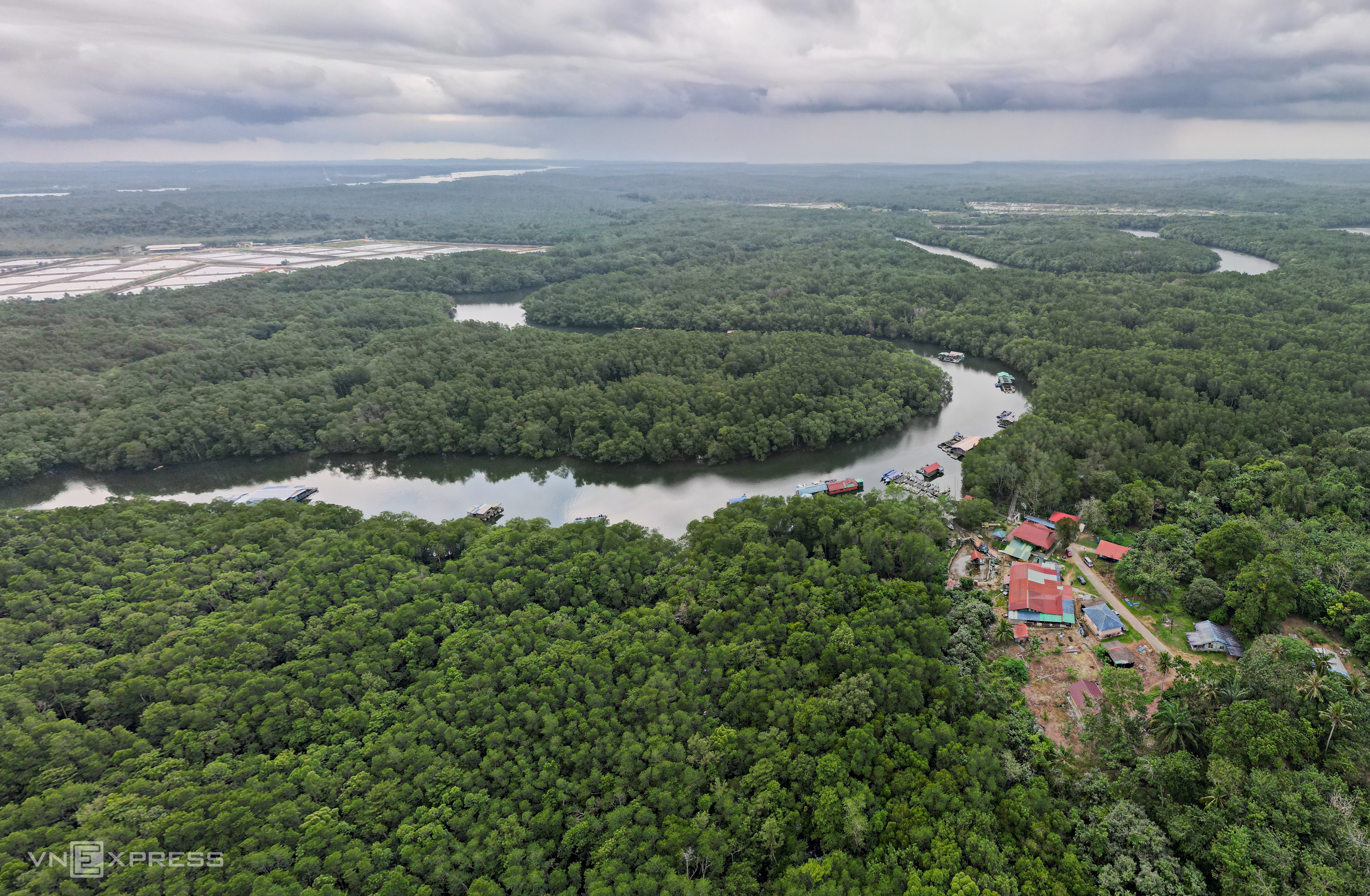
Tanjung Surat, a small island situated in the lower Johor river in Johor state, southern Malaysia, is home to approximately 1,500 hectares of mangrove forest. This area stands out as one of the best-preserved mangrove ecosystems along the Johor river, boasting high tree density, diverse species, and robust ecosystem health.
The Johor state government is currently developing Tanjung Surat as a destination that combines ecotourism with community-based tourism, offering visitors a unique blend of natural exploration and cultural immersion.
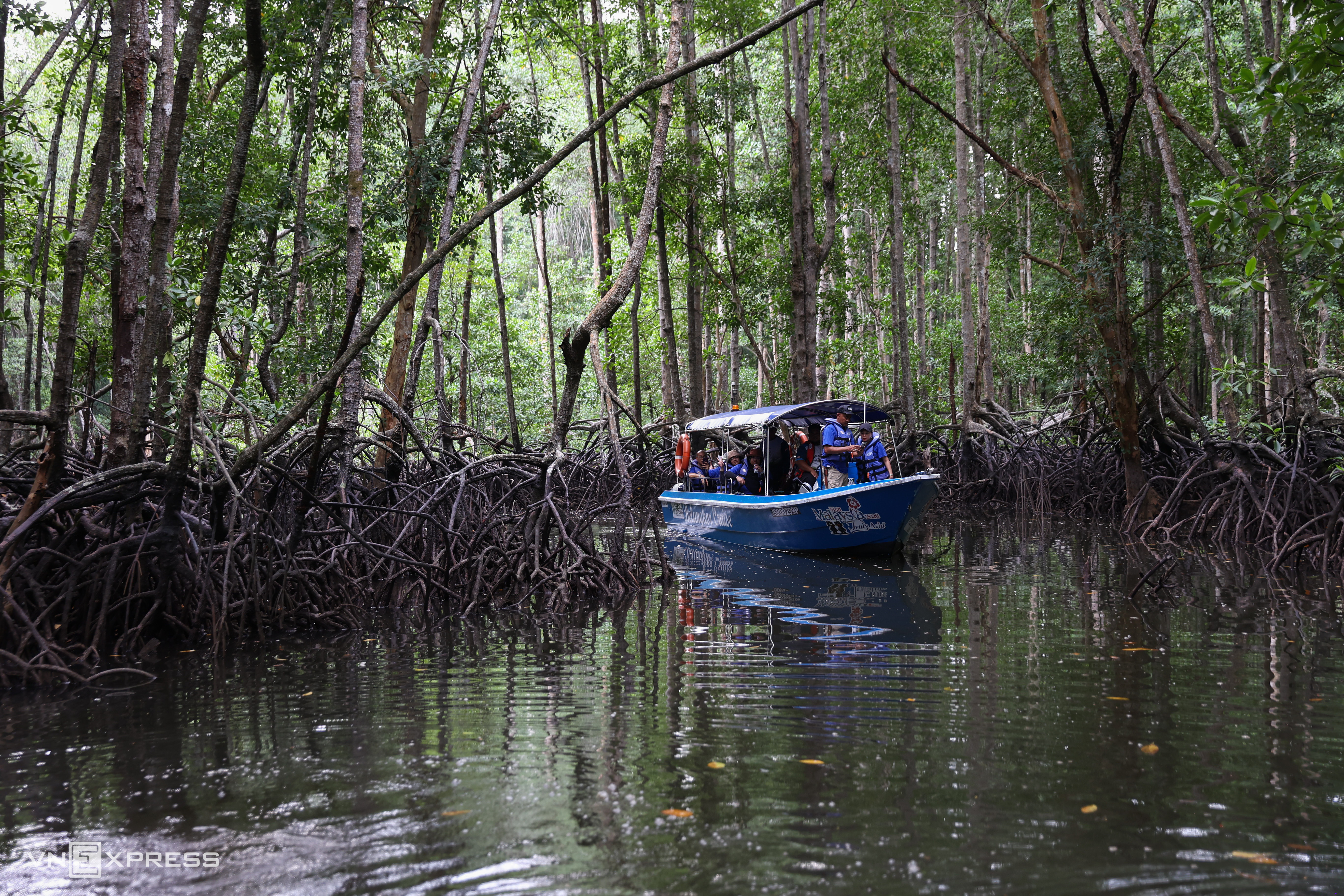 |
Located near the Malaysia - Singapore border, Pulau Tanjung Surat is accessible by boat from Jeti Tanjung Belungkor pier on the mainland. After a 15-minute river crossing, visitors transfer to smaller boats to weave through canals, exploring the scenery of one of the best-preserved mangrove ecosystems in Johor state, located in the southern part of peninsular Malaysia.
Down the winding river branches, dense rows of mangroves line both sides. When the tide rises, the water covers the tree roots, creating a characteristic scene of a tropical wetland ecosystem.
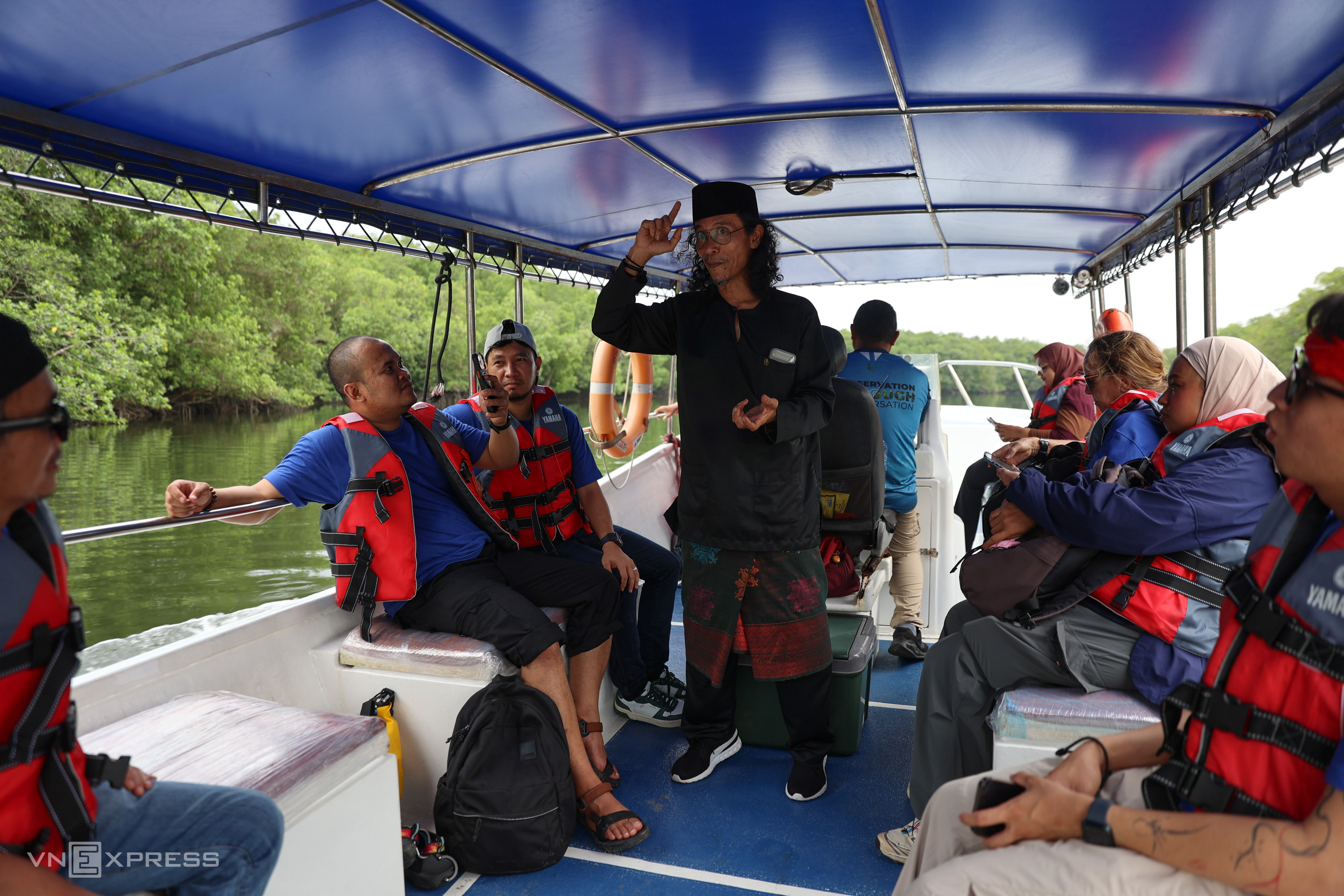 |
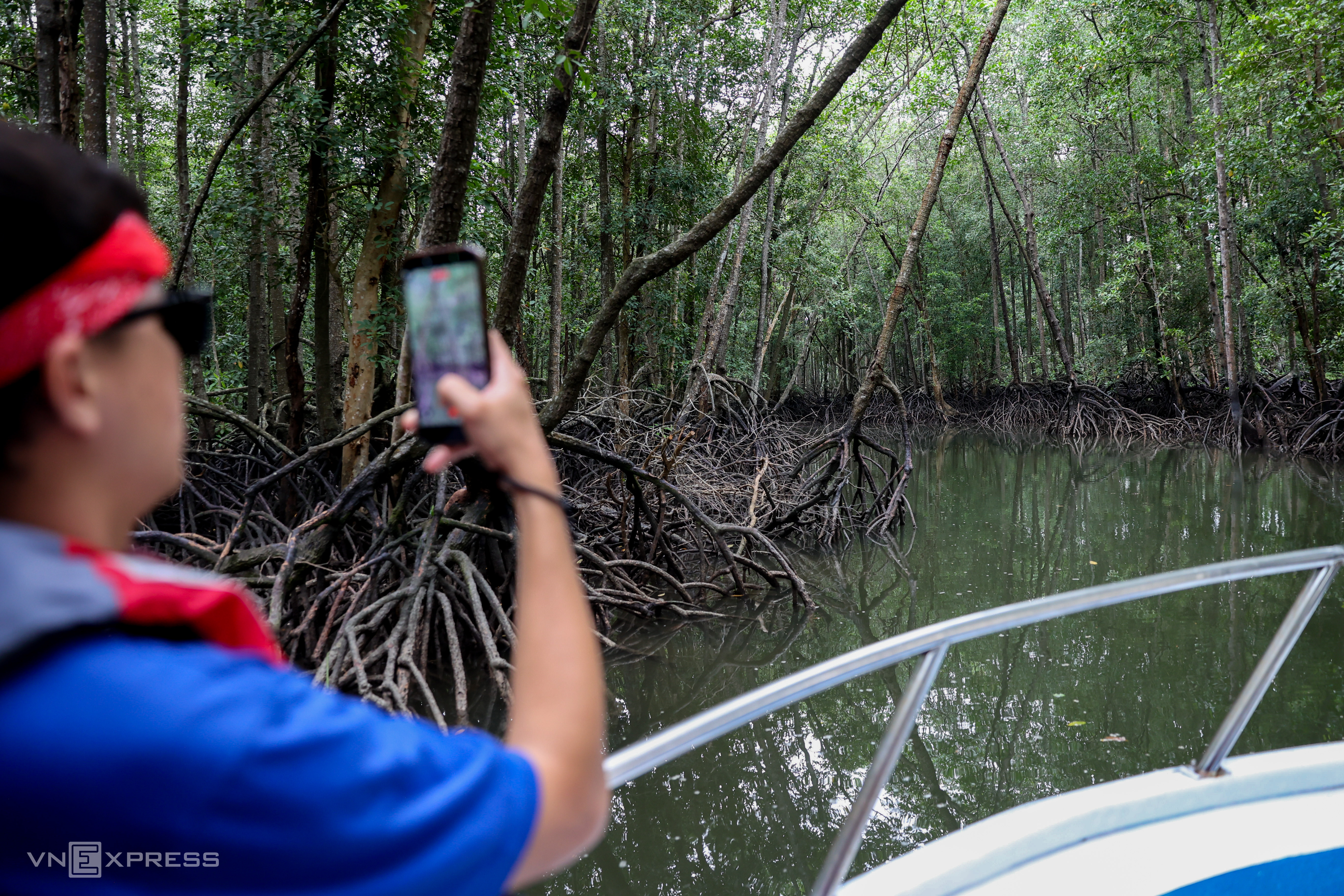
Mr. Blerong, a tour guide, explains that the island's mangrove flora comprises about 9 tree species. The most prominent is the mangrove (Rhizophora), known for its deep roots that effectively prevent coastal erosion.
The extensive mangrove root system provides a vital breeding and nursery ground for various aquatic life, including fish, crabs, shrimp, mollusks, and numerous species of waterfowl and aquatic animals. This contributes significantly to maintaining the rich biodiversity of the Johor river estuary.
 |
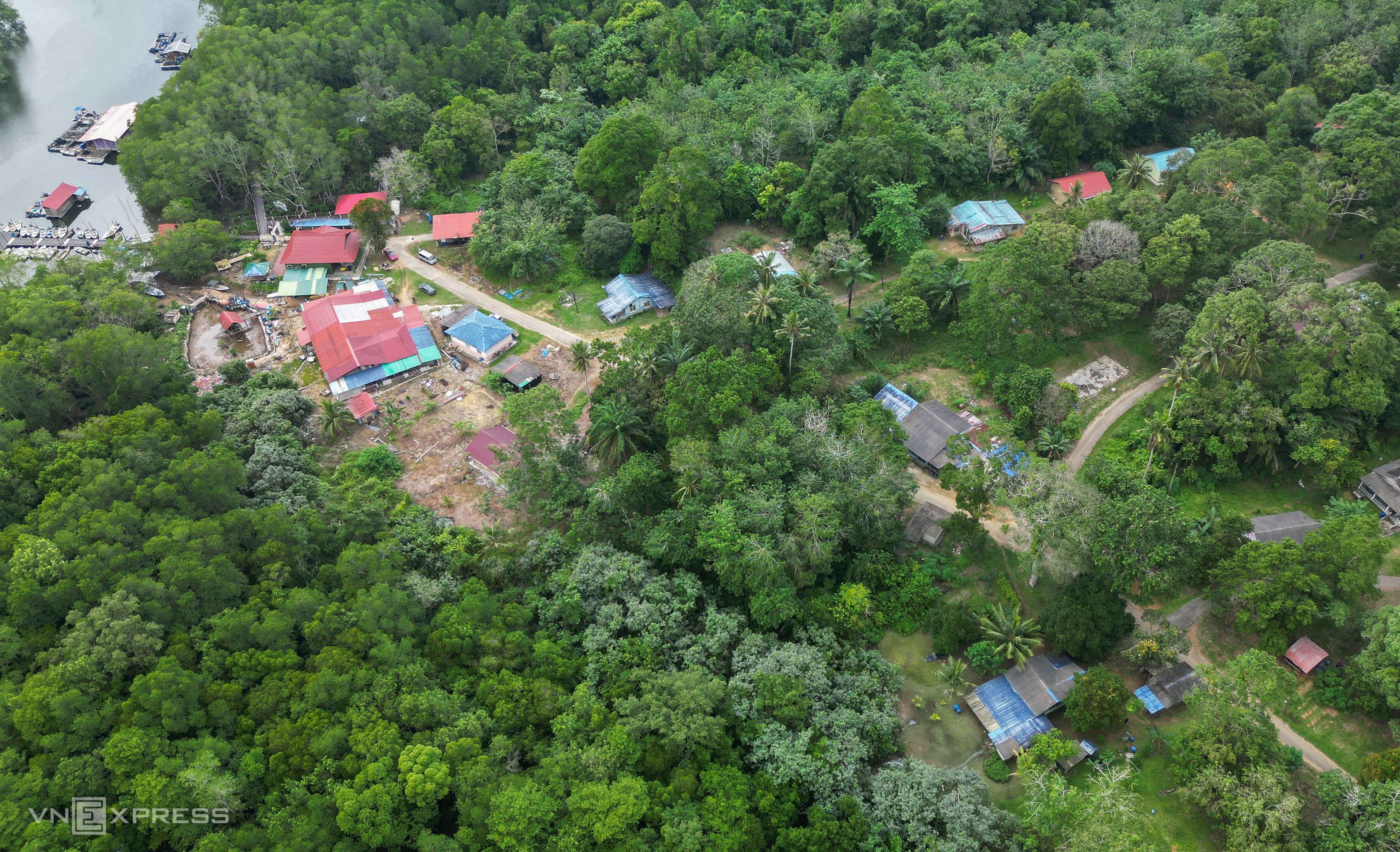
Interspersed within the forest are floating houses, settlements of indigenous residents who have lived here for about 200 years. Currently, about 420 residents live on the island in three riverside villages.
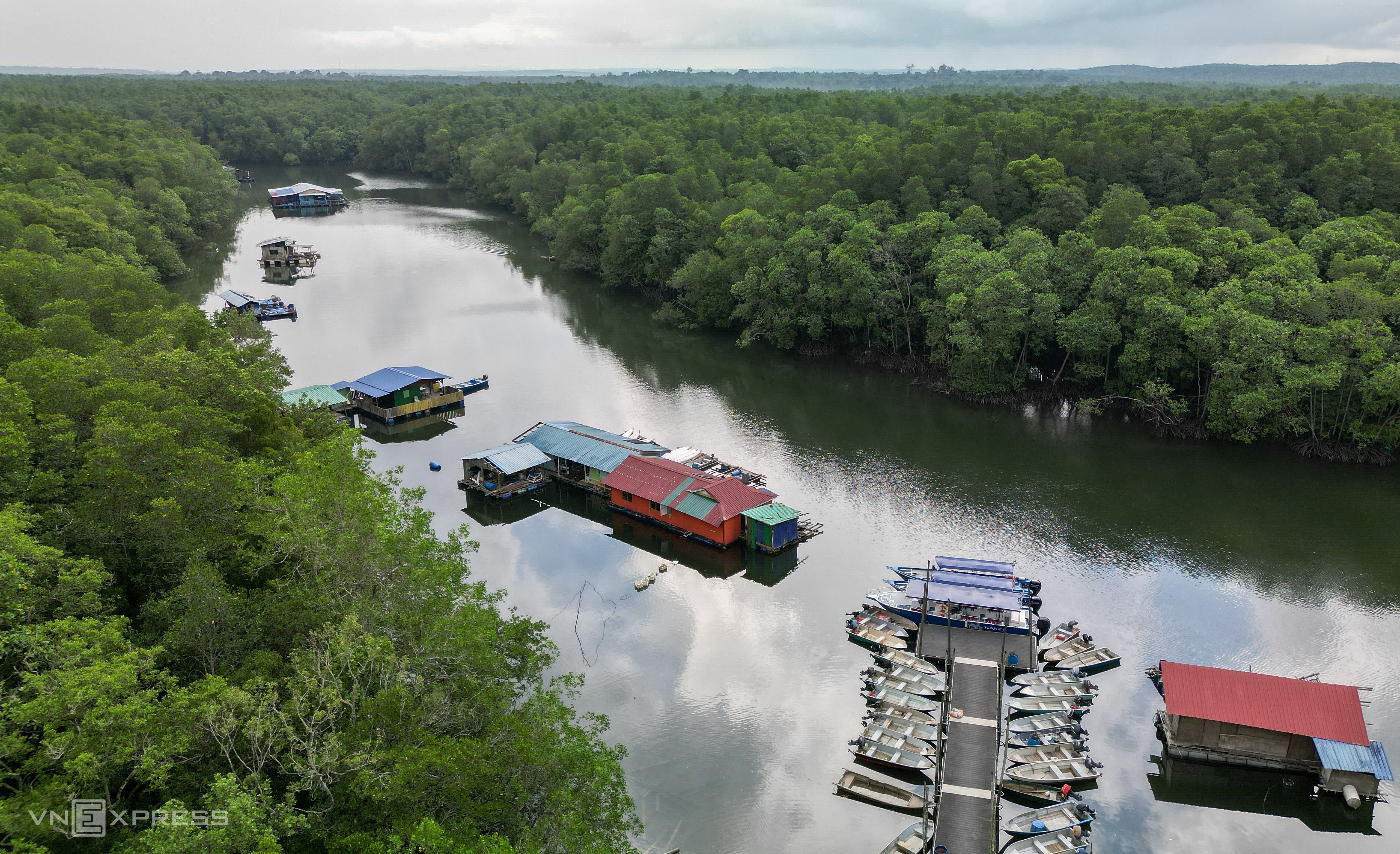 |
Many families still maintain their livelihood of fishing, raising crabs and fish, and exploiting resources from the mangrove forest, while also opening their doors to welcome tourists to participate in ecotourism activities.
After a boat tour, visitors stop at a small village on the island. Here, besides the residential area, there is also a boat pier, local restaurants, accommodation options, and a mangrove conservation office.
 |
In addition to scenic boat rides, visitors participate in a mangrove planting program with the local community. This activity is part of a community-based conservation program to restore degraded forests.
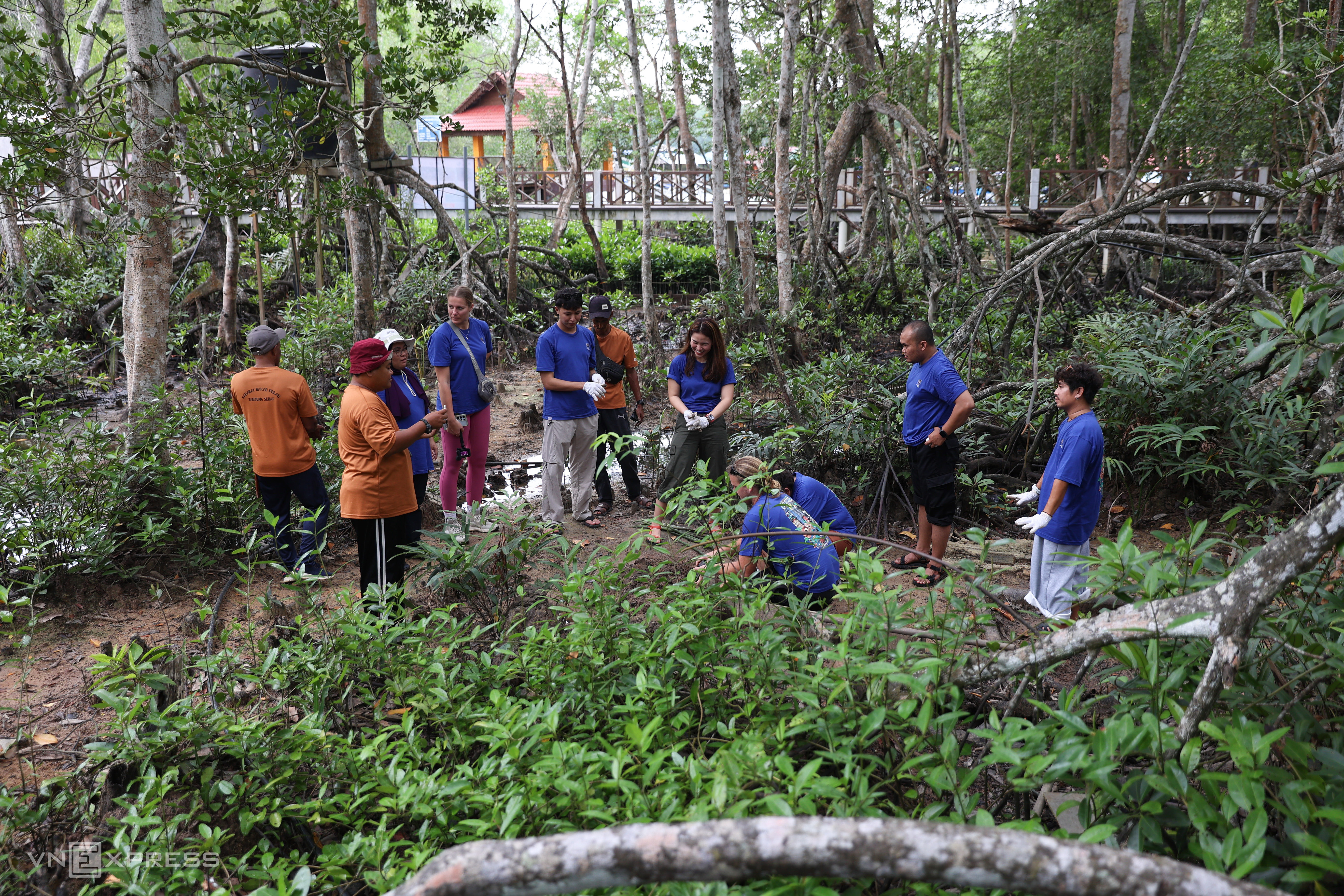 |
An international group of tourists from Vietnam, Singapore, Indonesia, Thailand, and Australia experienced planting mangrove propagules at the end of june. To plant mangrove propagules from fruit (germinating shoot), one needs to select ripe, plump fruits 15-25 cm long, then insert them vertically along the length of the fruit into moist sandy soil. After about 45 days, the propagule will root and sprout new leaves.
Visitors are also shared information about the diverse flora and fauna in the mangrove forest, alongside local specialties prepared by the island's residents.
From Vietnam, tourists can fly directly to Kuala Lumpur or Johor, then travel to Jeti Tanjung Belungkor pier to take a boat to Tanjung Surat island. Visitors can also fly directly to Singapore and then cross the border to Johor.
Quynh Tran