Vienna, the capital of Austria, holds the moniker "spy capital," with an estimated 7,000 agents operating undercover, according to Polemics, an independent publication of the Vienna Diplomatic Academy. The city's status as a hub for major global organizations like the United Nations, the Organization of the Petroleum Exporting Countries (OPEC), and the Organization for Security and Cooperation in Europe (OSCE) significantly boosts its political relevance. Crucially, Austrian law allows foreign powers to conduct intelligence activities freely, provided they do not target Austria itself. This legal framework enables agents to gather intelligence on other nations without fear of prosecution, making Vienna a fertile ground for espionage.
The origins of espionage in Vienna trace back to the early centuries of the Habsburg Empire, as noted by Thomas Riegler, a researcher at the Austrian Centre for Intelligence, Propaganda and Security Studies (ACIPSS). Historical accounts of emperors' cabinets sifting through mail to uncover national secrets confirm that spying is not a new phenomenon in the region. This historical precedent continued into the 20th century. Leading up to World War I, many Russians frequented Vienna. A notable espionage case from this era involved Austrian intelligence officer Alfred Redl, who was found to have shared classified information with multiple countries, including Russia, France, and Italy.
Vienna's "spy capital" image is further fueled by popular culture. Films penned by former spies, such as "The Third Man" (1949), have contributed to its mystique. However, Dr. Riegler points out that Vienna is not unique in its widespread espionage. Brussels, for instance, could also be considered a contender for this title.
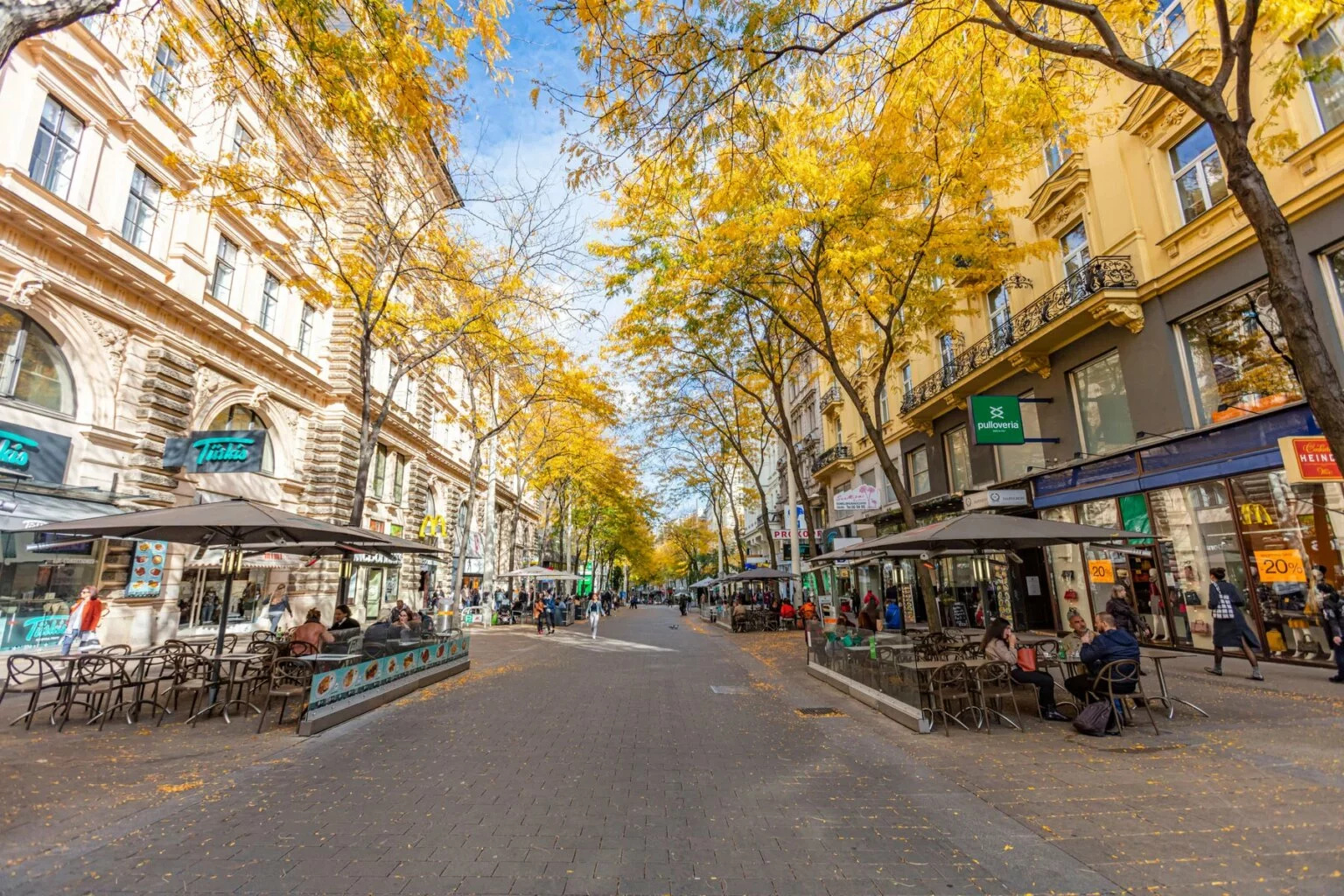 |
Mariahilfer Straße, Vienna's most famous shopping street, Austria. Photo: Expaticia |
Despite efforts to diminish its "spy capital" reputation, Dr. Riegler remains skeptical about the feasibility of such a change. Few cases have resulted in significant repercussions, making a substantial shift in Austria's stance on espionage unlikely. "It is essential that espionage is managed to an acceptable degree because it cannot be completely stopped", he said.
The city's reputation also attracts tourists. Several local companies offer "spy tours" for approximately 400 USD per person. These tours guide visitors through famous spy cases, espionage scandals, and stories from the Cold War era, capitalizing on Vienna's unique history.
Hoai Anh (According to Versed, Polemics, Stg)