 |
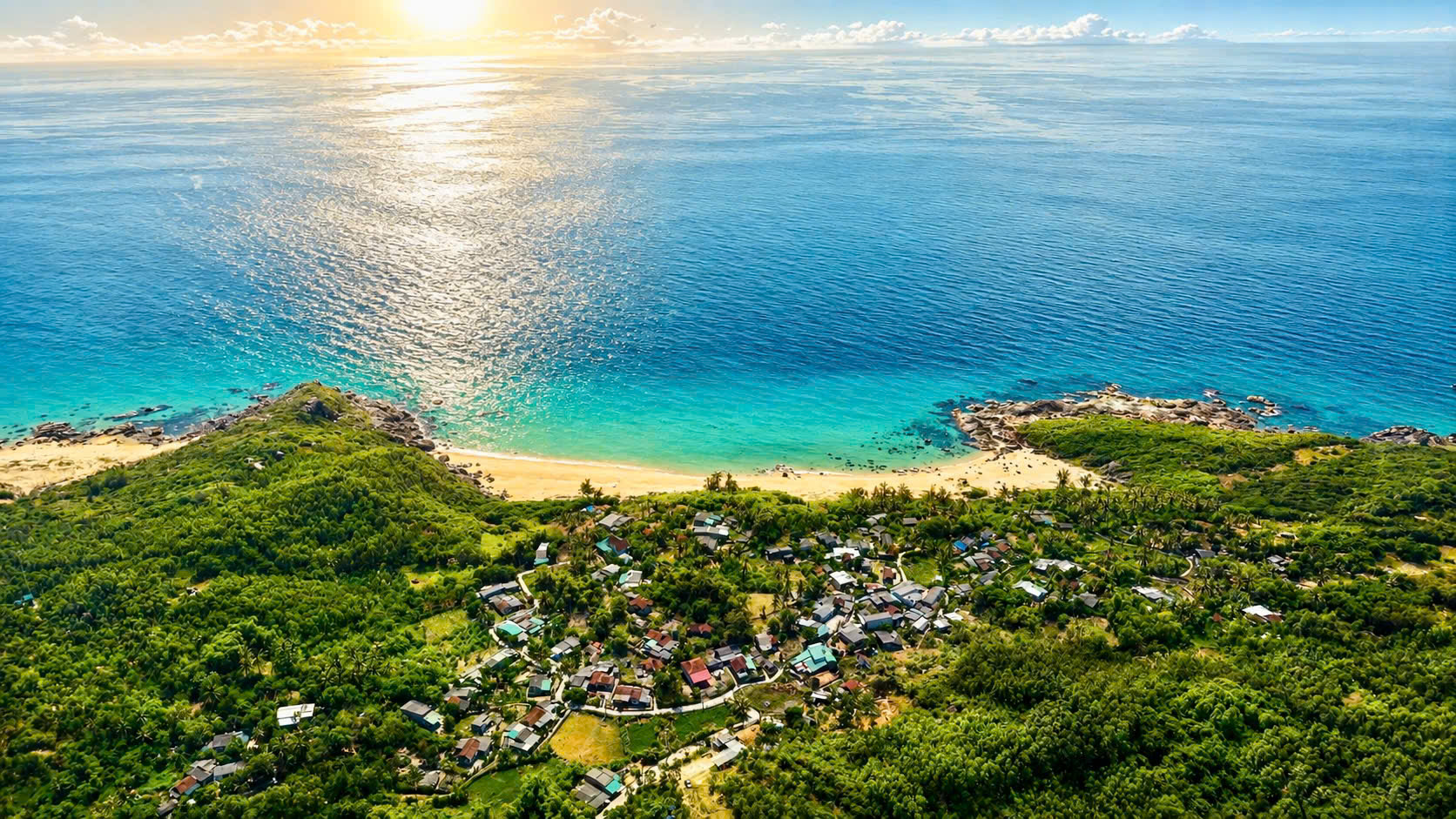
Go Co, an ancient coastal village in Sa Huynh ward, Quang Ngai province, gained prominence in 2017. This was when experts began surveying the area to build a dossier for the Sa Huynh Cultural Space, seeking its recognition as a World Cultural Heritage site by UNESCO.
In 2018, local residents traveled to Cu Lao Cham to study a community tourism model. The following year, the Go Co Community Tourism Cooperative was established, laying the groundwork for developing tourism services operated by the local community. Photo: Pham Linh
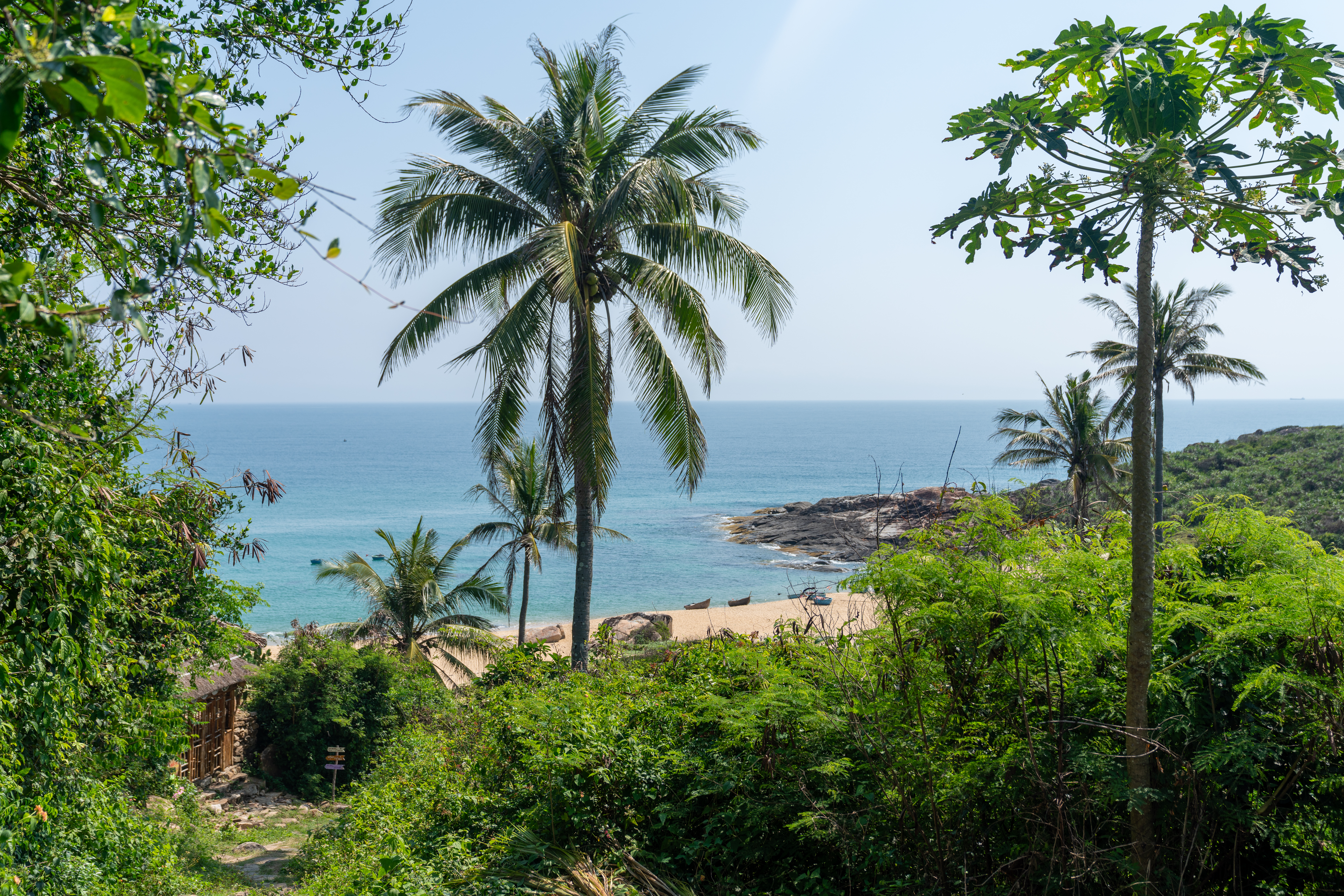 |
The village spans approximately 100 hectares, nestled between hills, An Khe lagoon, and Sa Huynh beach. It represents a confluence of three major cultural layers: Sa Huynh, Champa, and Dai Viet. Go Co preserves valuable heritage sites, including ancient stone wells, temples, old stone fences, and Champa architectural foundations.
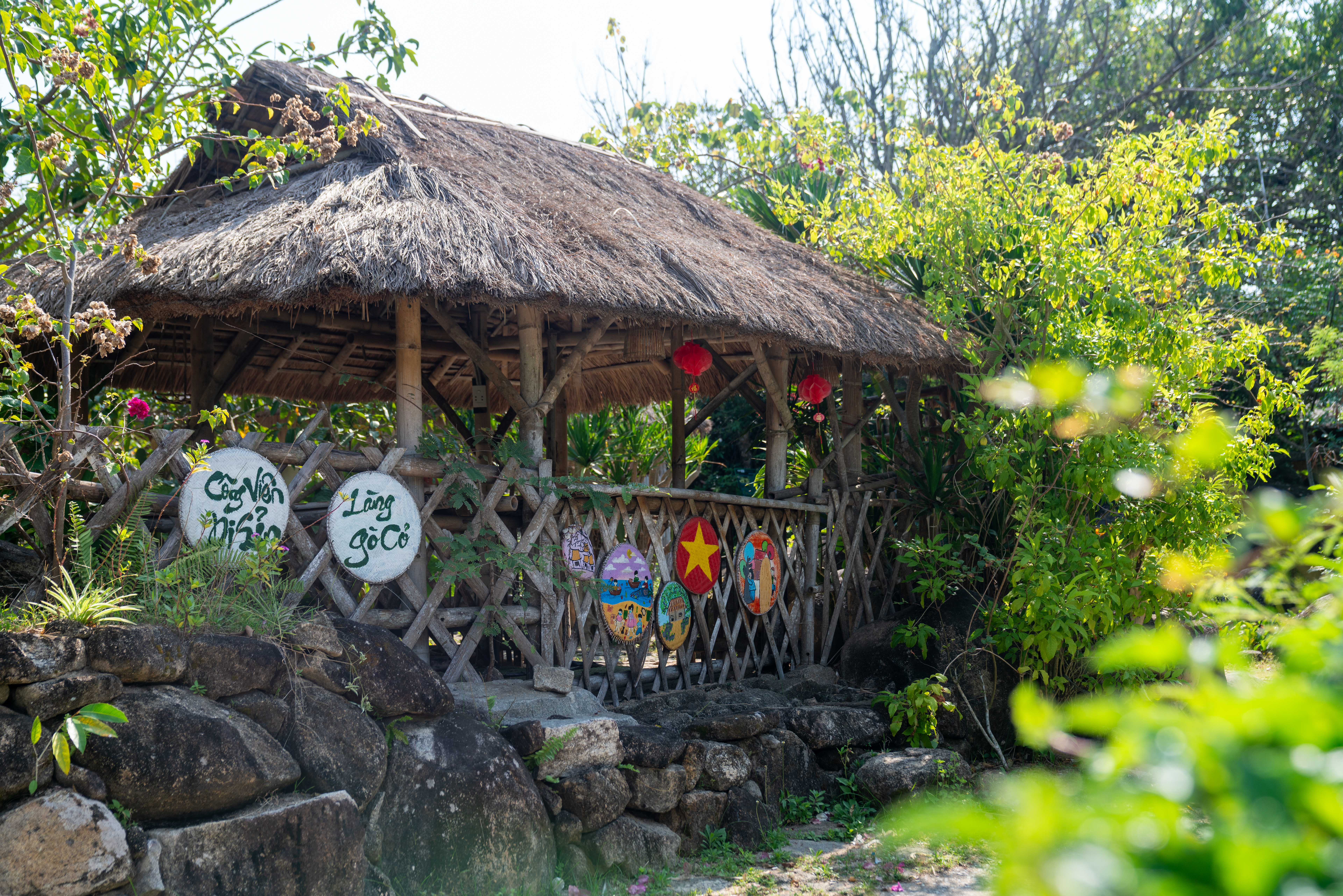
In 2020, Go Co received recognition as a 3-star OCOP community tourism product. Villagers then began developing tourism, offering homestay accommodations, culinary experiences, and cultural performances.
 |
Along the village paths, visitors will discover ancient layered stone slabs and stone bridges. These structures, built by residents 2,500-3,000 years ago, served to deter wild animals, protect gardens, or function as irrigation canals and retaining walls for land.
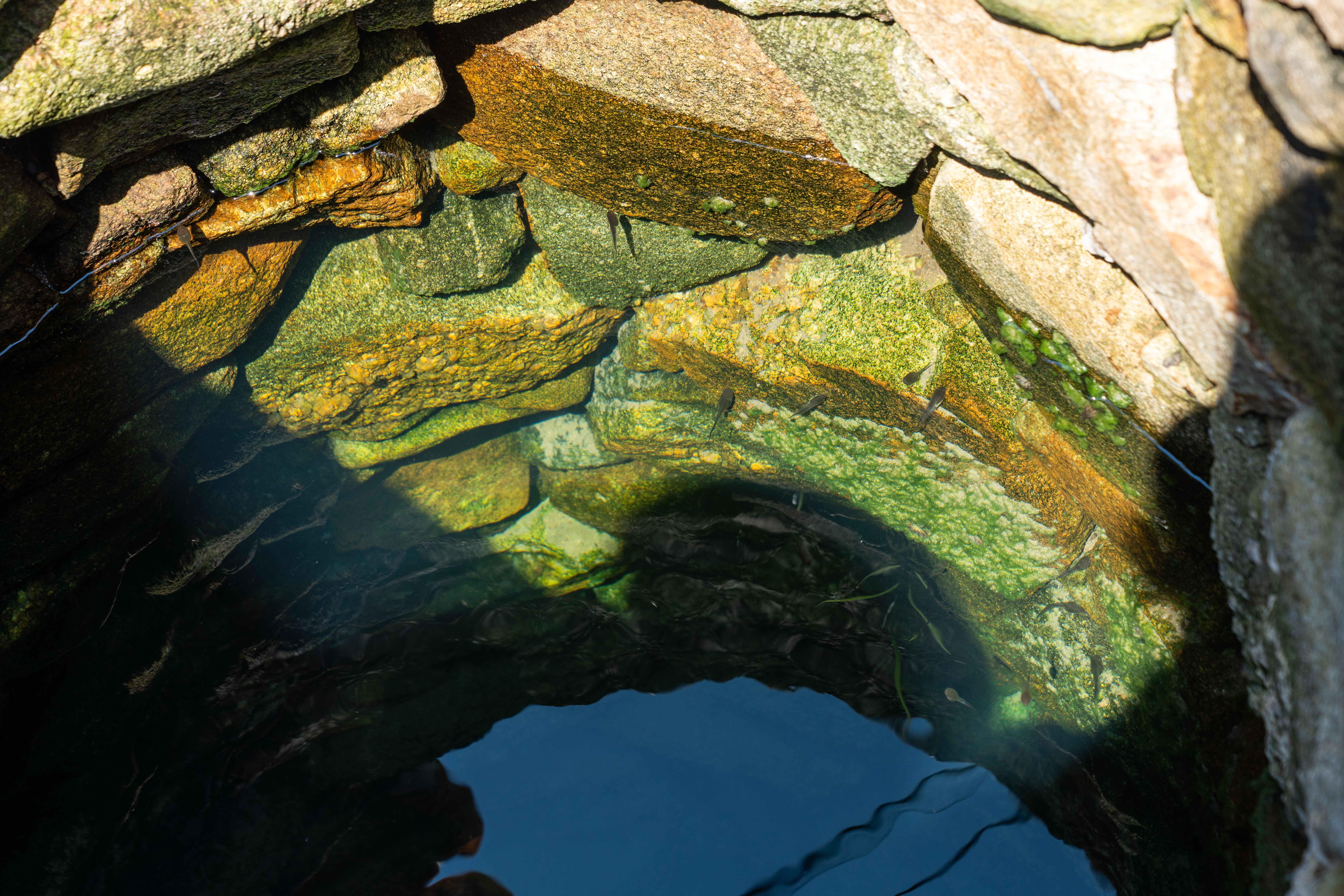 |
The image shows an ancient stone well, dating back about one thousand years, believed to originate from the Champa era.
Go Co largely maintains the traditional lifestyle of a coastal fishing village. Residents continue to use bamboo boats and dry sweet potatoes on the sand. To understand local life, visitors can join them for fishing at sea or cultivating sweet potatoes in the fields. These experiences are guided by locals, allowing visitors to become an integral part of the village.
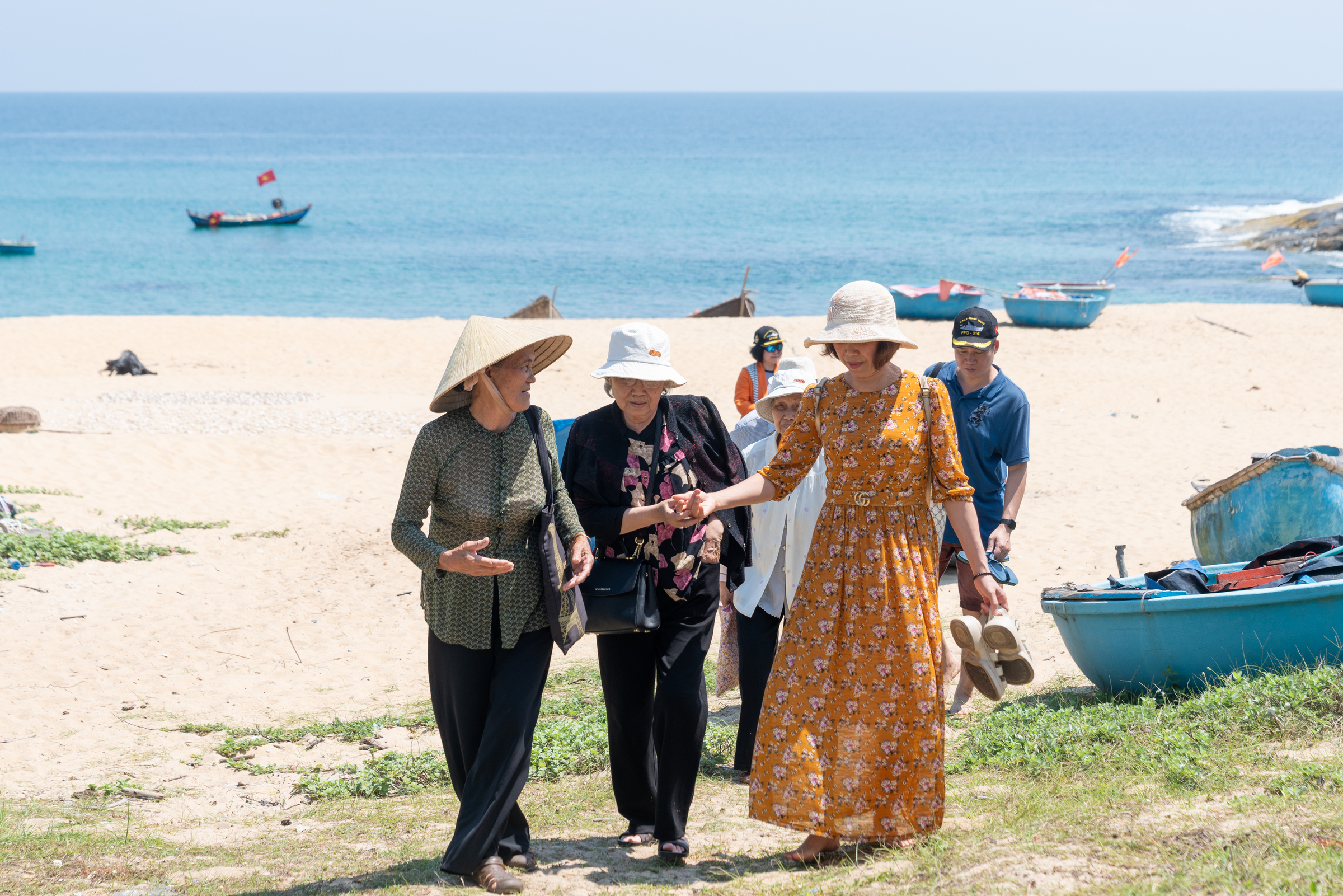 |
Bui Thi Van, 70 years old, wearing a conical hat, is one of Go Co's most active community tourism participants. Whenever guests visit, she transforms into a storyteller, guiding them through the village's heritage and daily life.
"I was already old when I learned my village held so much value," Van said. Despite being illiterate, she attended training courses, learning how to welcome guests, provide explanations, and manage community tourism.
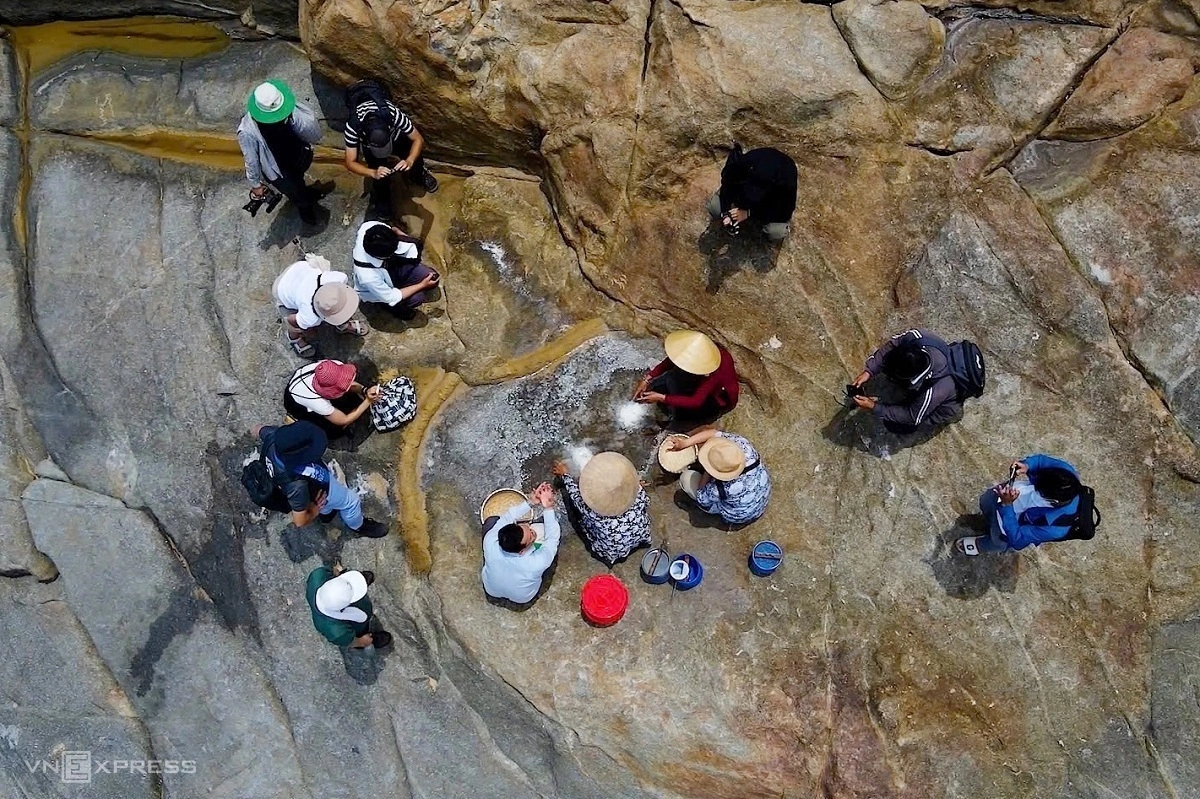 |
Van is also among the few Go Co residents who still practice salt making on rocks, a tradition with a history of about two thousand years in Sa Huynh. The salt-making rock beds are located close to the sea. Locals utilize natural rock hollows in elevated positions, protected from waves, filling them with seawater and sun-drying it for about 7 days to increase salinity.
Residents construct earthen dikes mixed with sand around the shallow rock depressions, creating small "salt fields." They then scoop sun-concentrated seawater into these fields, waiting for it to crystallize. Photo: Pham Linh
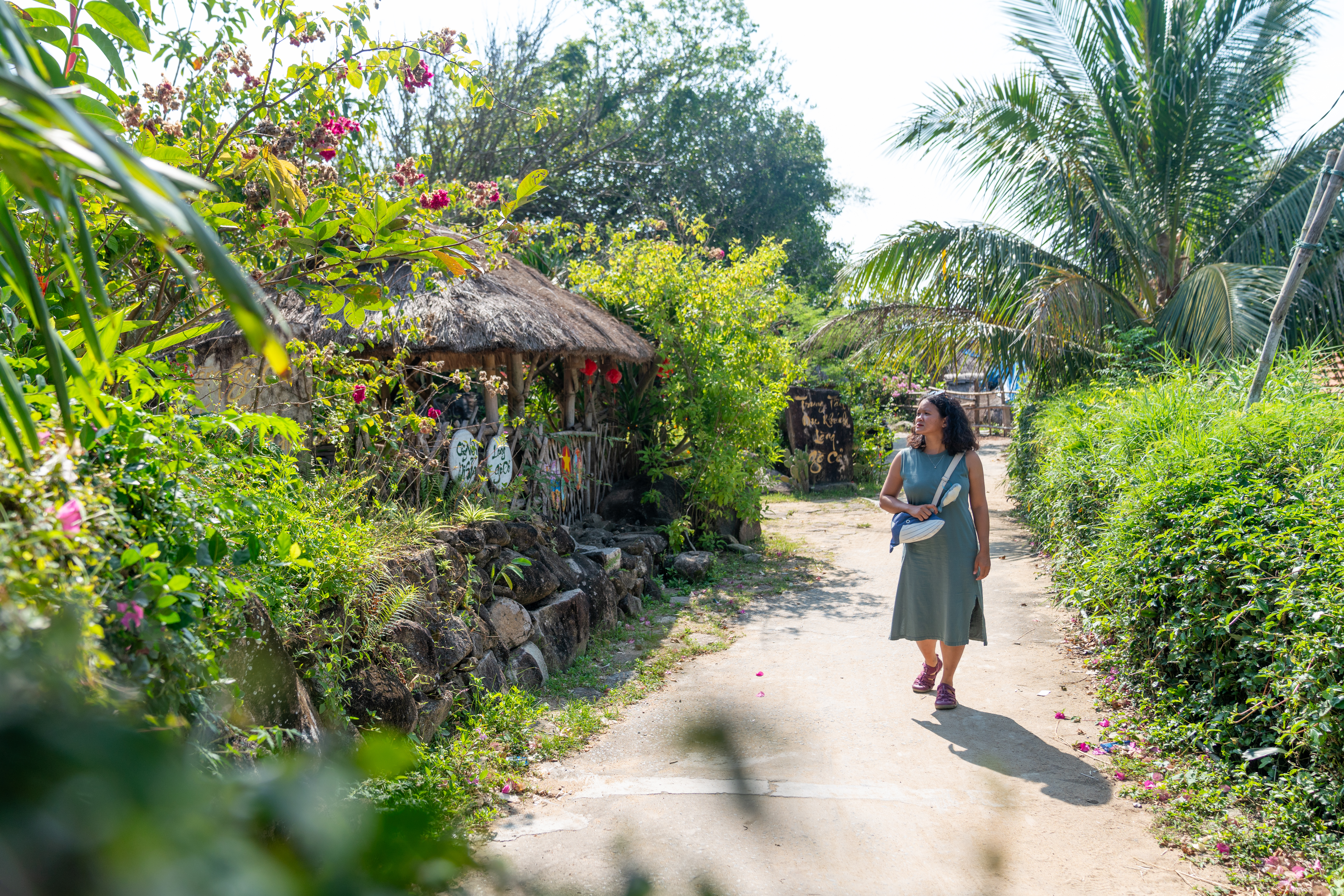 |
Linh Huynh, 27 years old, from Ho Chi Minh City, visited Go Co in late June and was impressed by both the scenery and the genuine simplicity of the local people.
"From the meals to the greetings and everyone's hospitality, I felt like I was coming home," Linh said.
 |
Thu Thuy, a member of the Go Co Community Tourism Cooperative, noted that the village primarily promotes itself through its website and social media. As a result, visitor numbers remain modest, with most guests arriving in groups or through referrals.
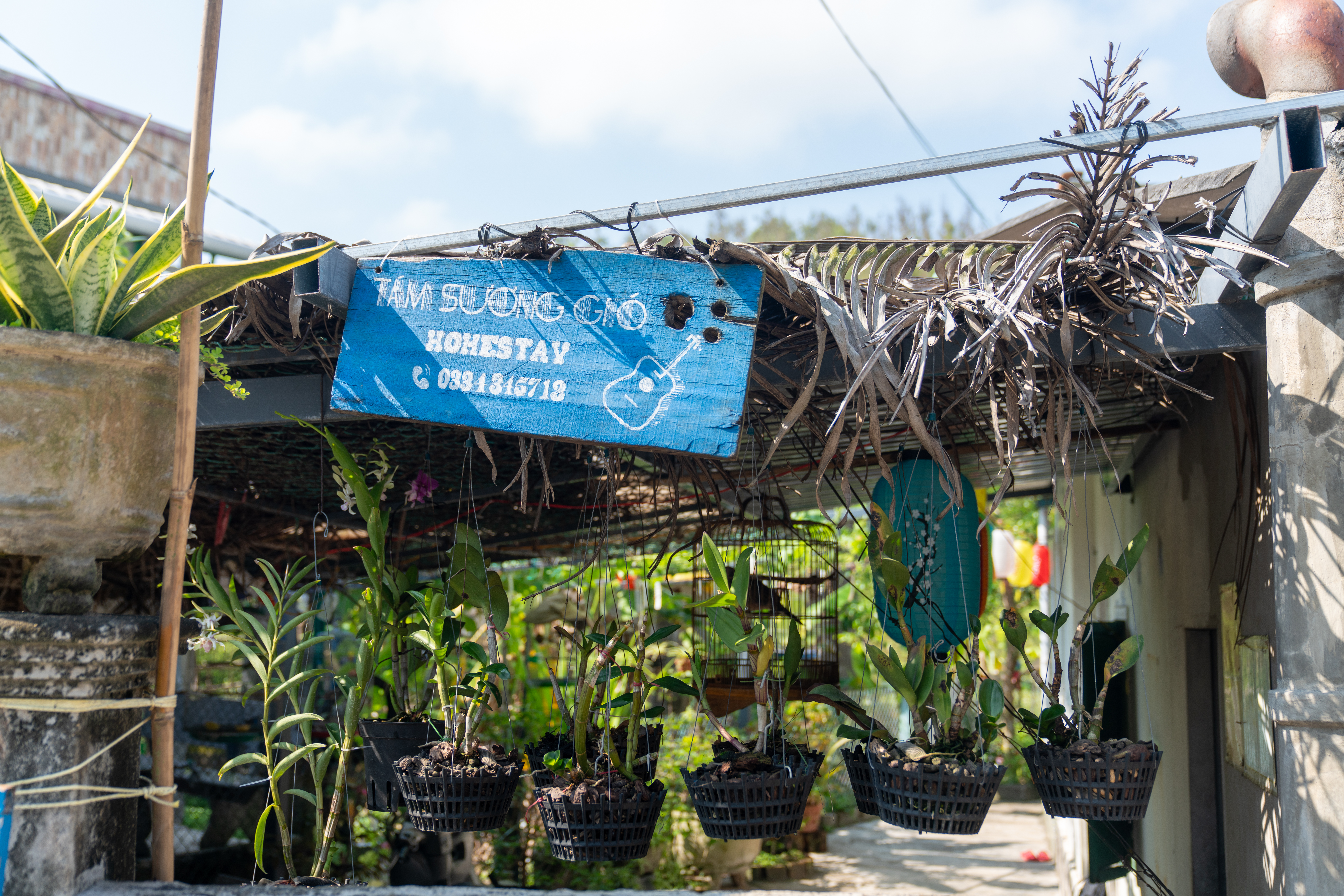
Visitors typically choose a two-day and one-night experience program. Homestay accommodation prices range from 100,000 to 300,000 VND per night.
Tuan Anh
Photo: Linh Huynh