 |
The Forbidden City's Qianlong Garden opened to the public in late September, marking the Palace Museum's 100th anniversary (1925-2025). This garden, located in the Forbidden City's northeast, served as a private retreat for Emperor Qianlong. The site remained closed for a century and completed its restoration after over 20 years of collaboration between the Museum and the World Monuments Fund.
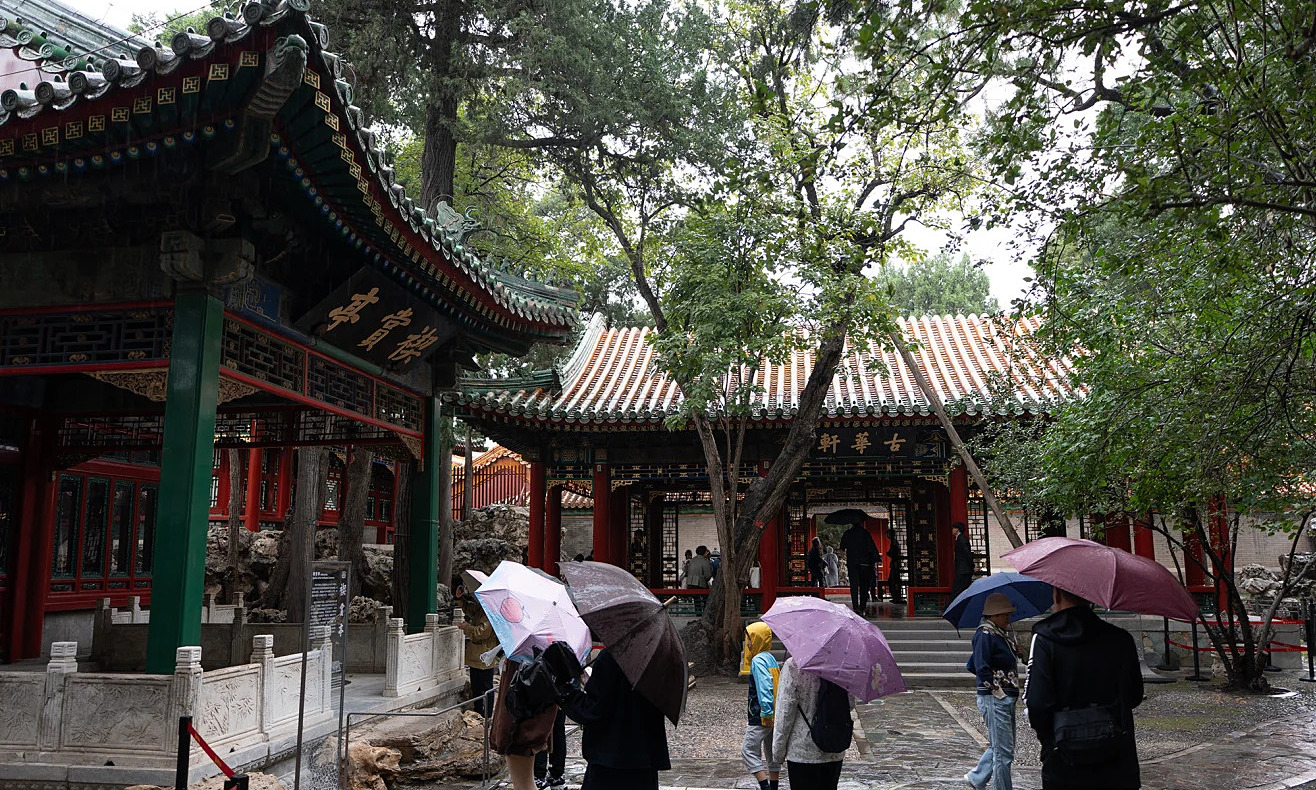
Visitors queue to tour the garden in the rain in November. *Fred He/CNN*
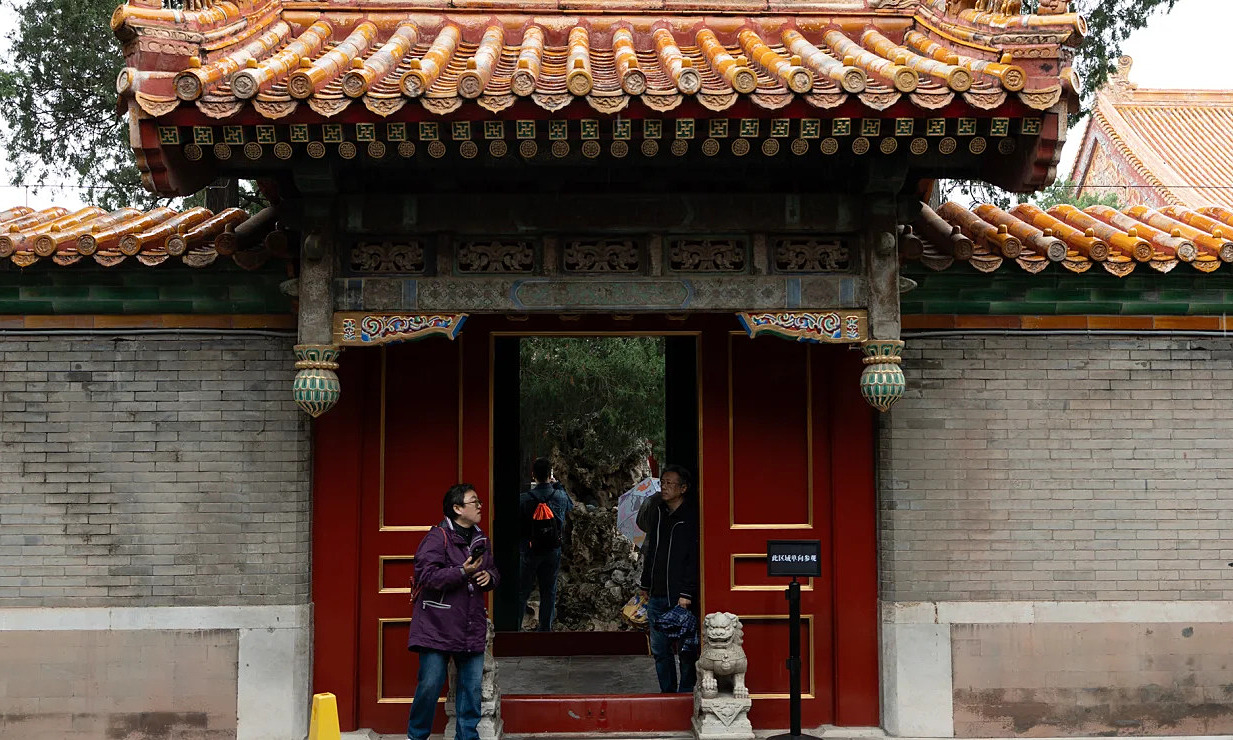 |
The entrance area of Qianlong Garden in early November.
The reopening event underscores China's commitment to preserving its imperial architectural heritage. On 27/10, President Xi Jinping visited the commemorative exhibition, highlighting the Palace Museum as "an important symbol of Chinese civilization" and stressing the need to continue "protecting, restoring, and promoting the value of its artifacts." *Fred He/CNN*
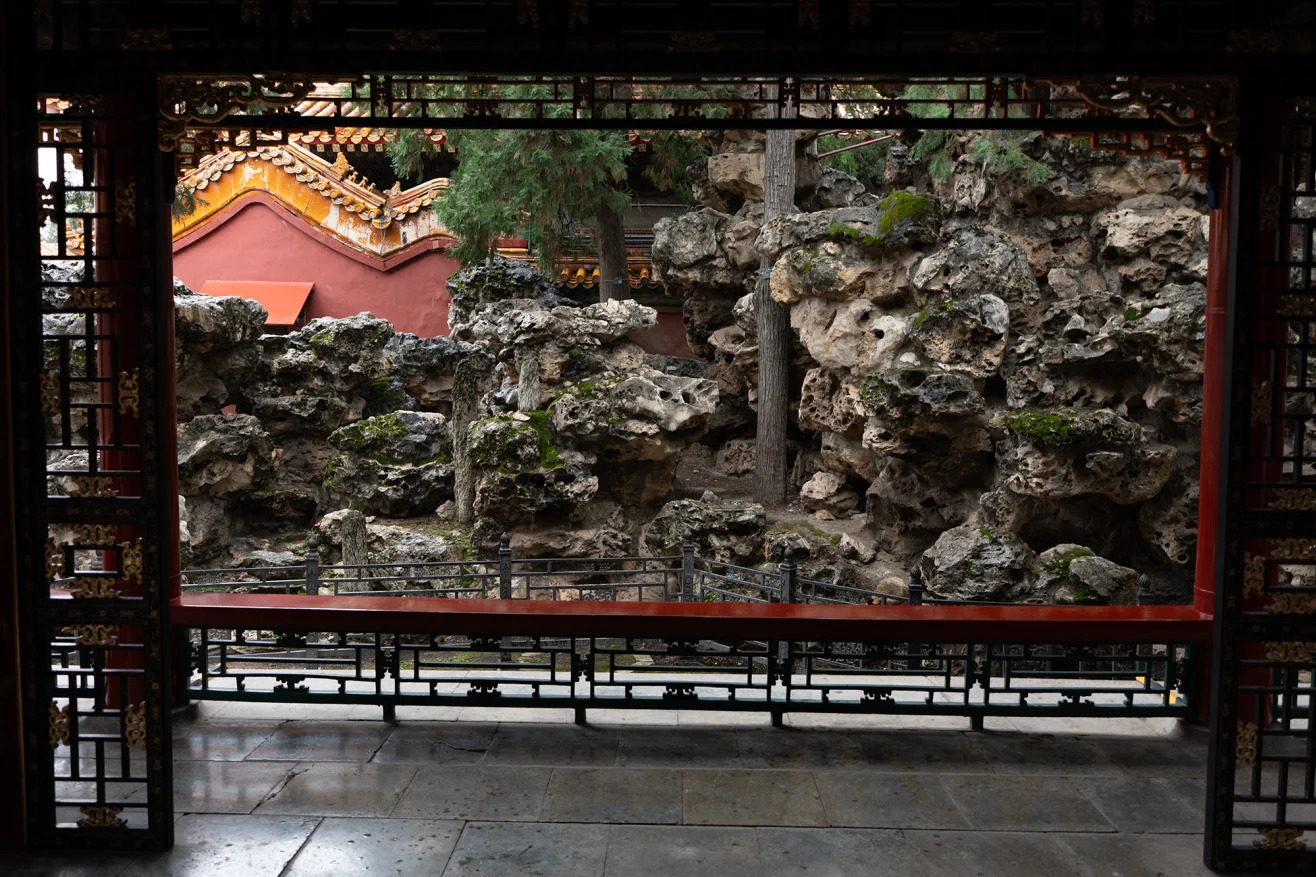 |
Inside Qianlong Garden, rockeries are designed to create multiple layers of space.
Singaporean architect Ho Puay-peng, currently UNESCO Chair in Architectural Heritage Conservation in Asia, first visited the Forbidden City in the late 1980s. He noted that many historical courtyards and gardens were in disrepair, mostly used as storage, filled with waste, or temporarily occupied by government agencies. He described the sight as "horrible."
At that time, most of the Forbidden City was not open to visitors. In addition to being occupied, many structures were severely dilapidated and had been damaged by fires, largely due to their wooden construction. *Fred He/CNN*
 |
The courtyard area in Qianlong Garden after restoration.
Spanning over 6,000 square meters, Qianlong Garden is described as the most exquisite and splendid within the entire complex. Unlike the vast spaces of the main halls that symbolize imperial power, this garden is designed in the style of southern China, divided into four successive courtyards. Currently, visitors can explore the first two sections.
According to Ho, the garden's clever arrangement within a narrow space creates diverse perspectives, from ground level to artificial mounds. Visitors experience entirely different landscapes when ascending the pavilions or looking down from the mounds. *World Monuments Fund*
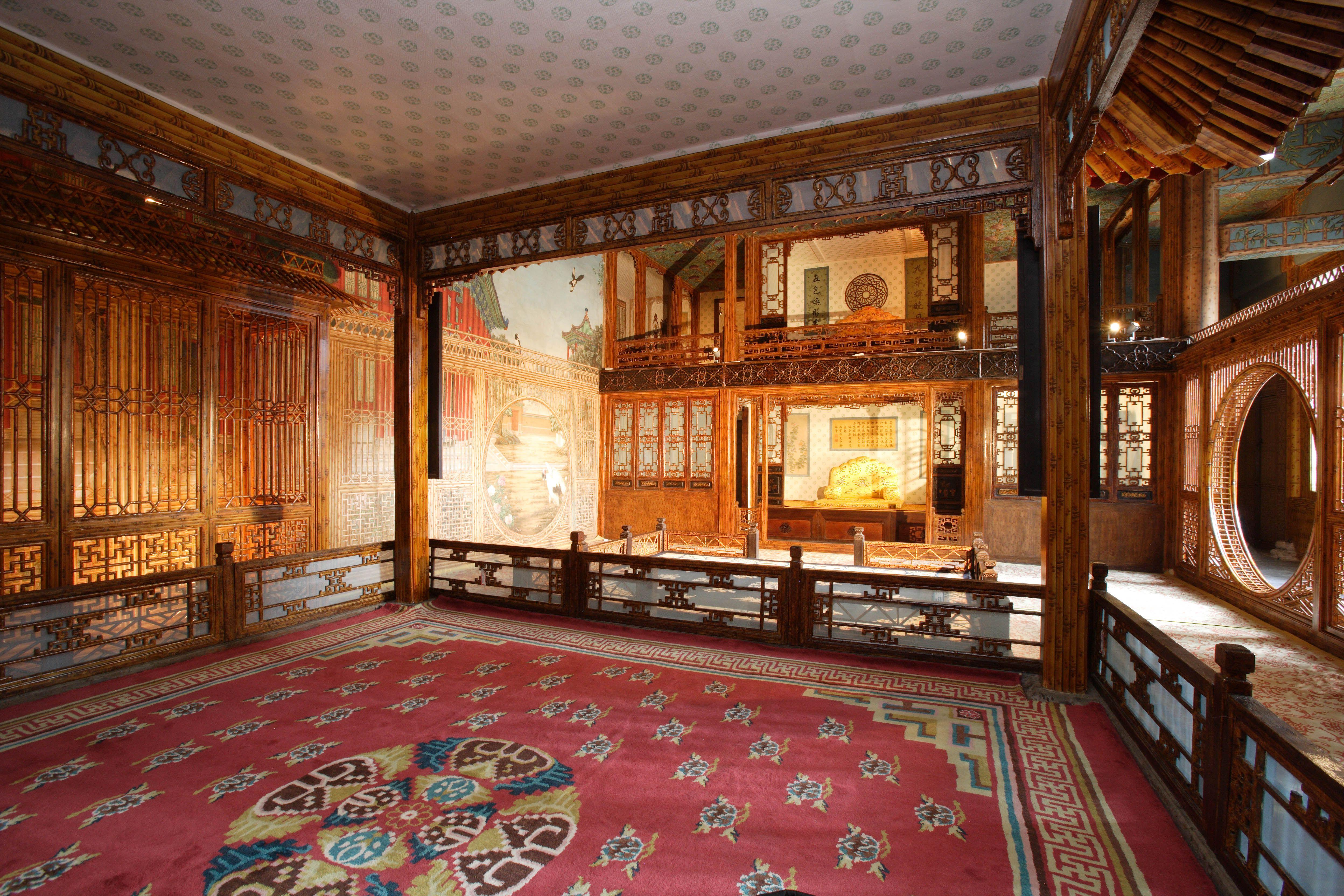 |
Ruyi Hall, where Emperor Qianlong's exquisite furnishings are displayed in Qianlong Garden.
The Forbidden City, constructed in the 15th century during the Ming Dynasty, served as the residence and workplace for emperors and their families. The Qing Dynasty later took control, undertaking extensive restorations and expansions. In 1925, after the last emperor, Puyi, departed the palace, the area was transformed into the Palace Museum. However, significant renovation projects were only initiated decades later.
The restoration of Qianlong Garden spanned over 20 years and cost between 15 and 18 million USD. In contrast, the restoration of the Hall of Supreme Harmony, the largest building in the palace, took less than two years (2004-2006). *World Monuments Fund*
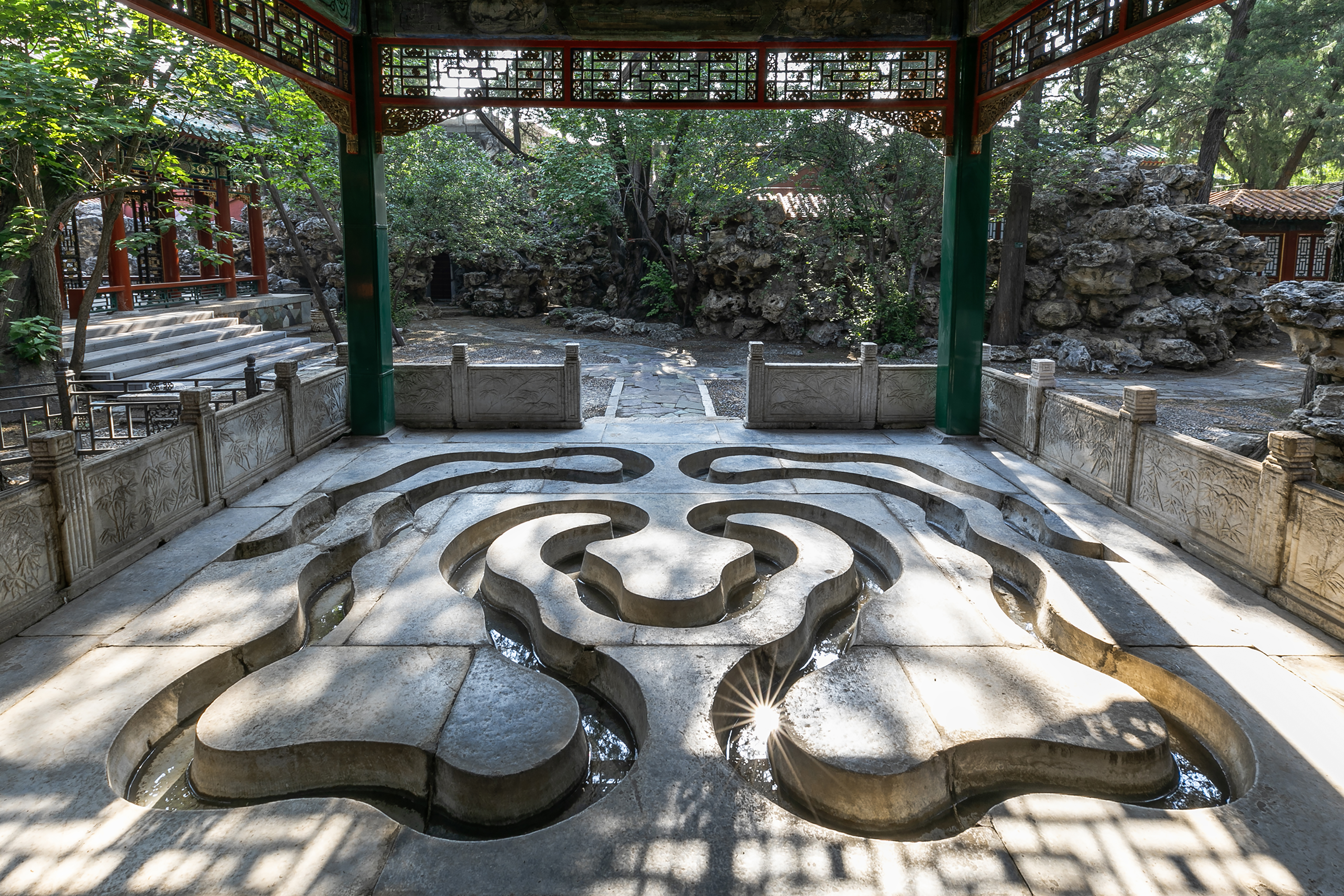 |
A section of the inner courtyard was restored in September.
Following the reopening of Qianlong Garden, representatives from the Palace Museum announced that the Hall of Mental Cultivation, where Qing Dynasty emperors lived and worked, is expected to reopen this year after a 7-year restoration period. *Chen Jingzhe*
 |
Qianlong Garden in a snowy landscape earlier this year.
Large-scale restoration efforts at the Palace Museum commenced in 2002, following a meeting of China's State Council that approved a comprehensive recovery plan. At that time, less than one-third of the area was accessible to the public. By 2018, this figure had increased to 80% after hundreds of structures and city walls were repaired, and 135 temporary buildings were dismantled.
According to Ho, the experience gained from the Forbidden City will serve as a vital foundation for China to continue preserving Qing Dynasty architecture across the country, from small palaces in the northeast to ancient districts in various provinces and cities. *Chen Jingzhe*
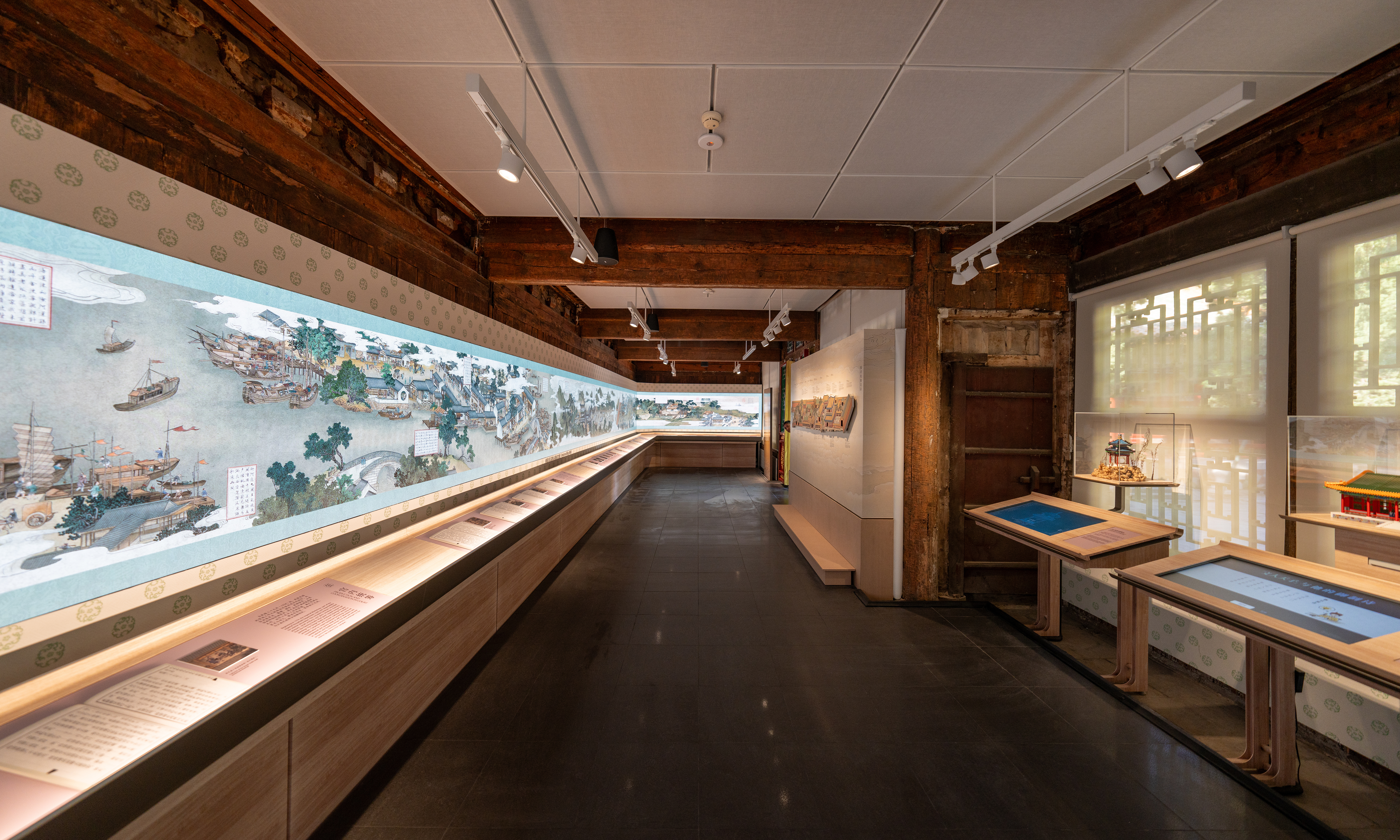 |
In 2019, the Palace Museum opened a center in the second courtyard of Qianlong Garden, featuring artifacts, models, and interactive technology to showcase the garden's history and craftsmanship.
This center comprises three main rooms surrounding an open pavilion, displaying models, digital media, and exhibitions. It offers the public a unique opportunity to explore the intricate interiors and craftsmanship of Qianlong Garden in detail, gaining a deeper understanding of its design, history, and restoration process. *Palace Museum*
By Mai Phuong (CNN, NDTV, World Monuments Fund)